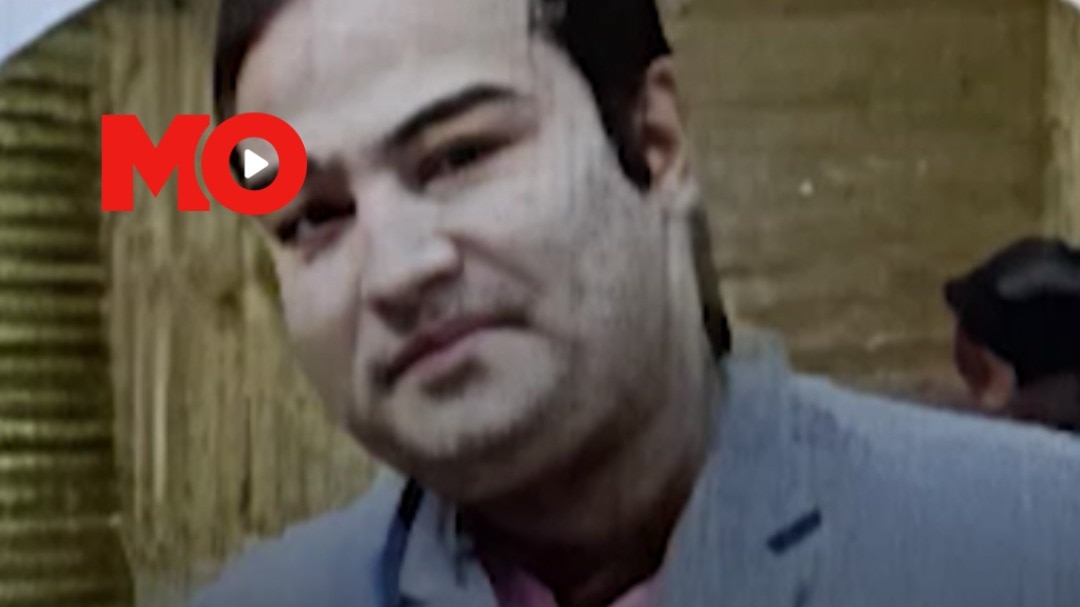
A 25-year-old factory worker has approached the Allahabad High Court seeking to club 11 FIRs registered against her following the Noida industrial unrest in April. The petitioner argues the cases stem from a single continuous event.
The legal fallout from the Noida industrial area protests continues to escalate. Manisha Chauhan, a 25-year-old factory worker arrested during the April unrest, has moved the Allahabad High Court. Her petition seeks a direction to club 11 separate First Information Reports (FIRs) registered against her, arguing they all stem from the same sequence of events between April 10 and 13.
The protests, which centered on demands for wage hikes, regulated working hours, and better overtime compensation, reportedly turned violent on April 13. Following the incident, police registered numerous FIRs, alleging that 'outsiders' and misinformation networks were manipulating the labor movement.
Why This Matters
BozokMedia analysis shows that this case highlights a growing concern regarding the 'multiplicity of proceedings.' When multiple FIRs are filed for a single incident, it can lead to a cycle of continuous detention where a person is released on bail in one case only to be immediately re-arrested under another, effectively bypassing the spirit of judicial bail.
'The multiplicity of FIRs has ceased to serve any legitimate investigative purpose and has instead become a mechanism for ensuring continuous incarceration.'
Counsel Manik Gupta, representing the petitioner, argued that the legal process itself has been weaponized as a form of punishment. He noted that the overlapping evidence and witnesses in these cases make separate trials redundant and unnecessarily burdensome for the accused and the judiciary.
Furthermore, the case has brought to light the detention of a 16-year-old minor in Kasna jail alongside adults for over two months. The defense highlighted the procedural irregularities, including the demand for high surety bonds from a minor, which complicates the legal struggle for workers who have already been blacklisted by their employers.
| Issue | Worker's Perspective | Police/Official Allegation |
|---|---|---|
| Nature of Protest | Legitimate demand for wages/hours | Hijacked by 'outsiders' |
| Legal Action | Continuous incarceration tool | Investigation of violence |
| Impact | Loss of employment/Blacklisting | Maintaining public order |
Frequently Asked Questions
1. Why are the workers protesting in Noida?
The workers were demanding higher wages, better overtime pay, and regulated working hours.
2. What is the legal term for joining multiple cases?
It is known as 'clubbing' of FIRs or cases, often sought to prevent multiple trials for the same set of facts.