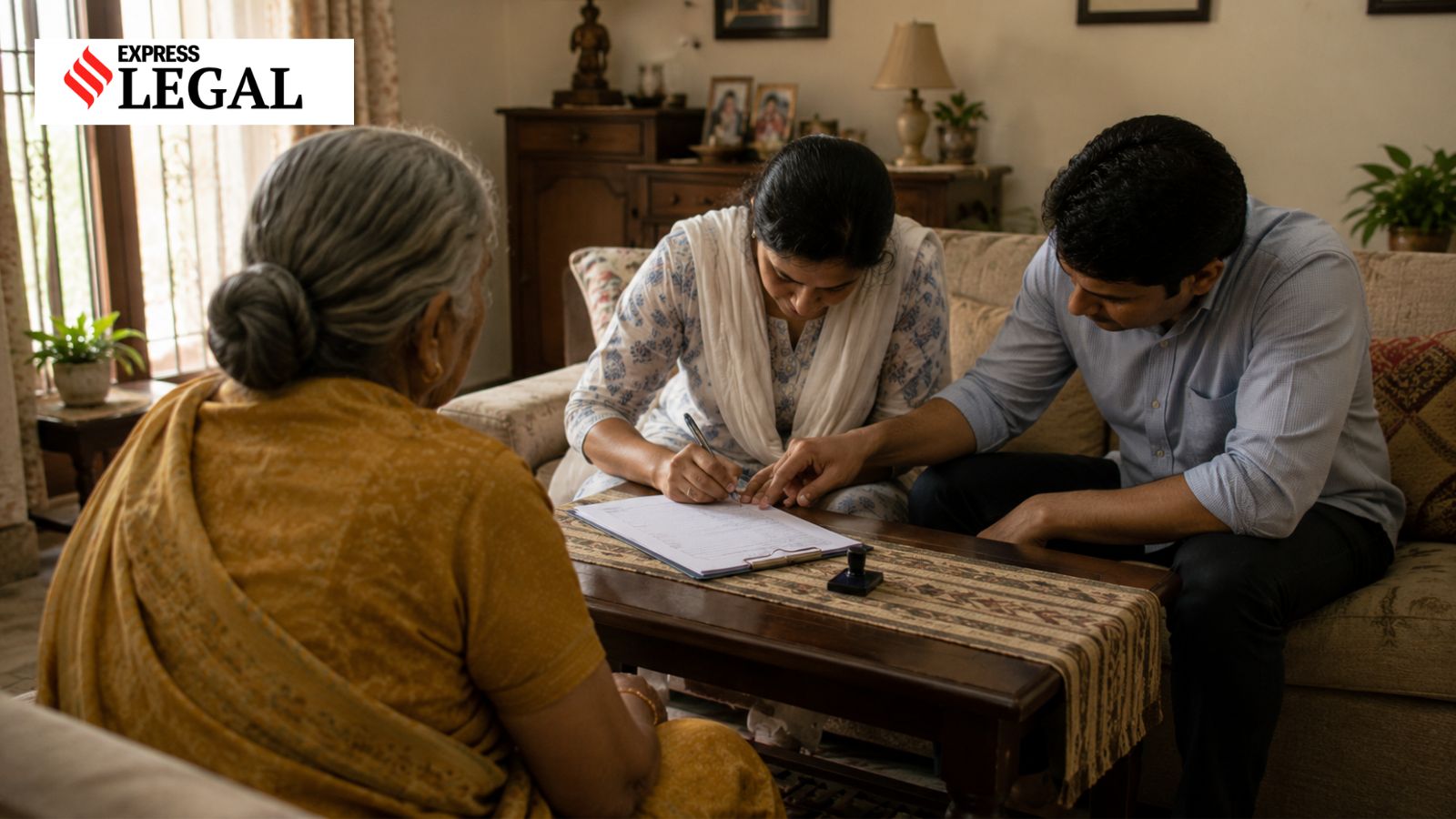
The Patna High Court has denied anticipatory bail to a woman and her son for allegedly defrauding an elderly woman of ₹14 lakh under the pretext of a religious pilgrimage.
- Patna High Court denied anticipatory bail to a daughter and grandson accused of financial fraud.
- The accused allegedly used a 'pilgrimage' pretext to gain access to the elderly woman's funds.
- The court noted a severe breach of trust, leaving the victim dependent on her attackers.
In a significant ruling concerning elder abuse and financial fraud, the Patna High Court has refused to grant anticipatory bail to a woman and her son. The duo stands accused of allegedly misappropriating ₹14 lakh from the bank account of an elderly woman, who was solely dependent on her late husband's pension.
The victim alleged that her daughter, son-in-law, and grandson lured her to their residence under the guise of taking her on a pilgrimage. Once she arrived with her documents and ornaments, the accused reportedly exploited her age to withdraw the entire sum. The fraud was executed under the pretext of submitting her 'life certificate' to the bank.
Why This Matters
BozokMedia analysis shows that this case highlights the growing vulnerability of senior citizens to domestic financial exploitation. The manipulation of banking processes, such as changing registered mobile numbers to intercept transaction alerts, represents a sophisticated level of familial betrayal that challenges existing legal protections.
Justice Rajiv Roy observed that the petitioners breached the faith of the elderly woman, leaving her at the mercy of her own children for her daily survival.
The defense counsel argued that the elderly woman had moved in voluntarily for medical treatment. However, the complainant's counsel successfully argued that the accused had surreptitiously registered their own mobile number with the victim's bank account to prevent her from receiving transaction notifications, a move that clearly indicated premeditation.
The case is being prosecuted under Section 303(2) of the Bharatiya Nyaya Sanhita (BNS), dealing with theft. The court's refusal to grant bail underscores the gravity of the 'breach of faith' inherent in crimes committed by immediate family members against vulnerable dependents.
Frequently Asked Questions
1. How did the accused prevent the victim from knowing about the theft?
The accused allegedly registered their own mobile number with the victim's bank account so that she would not receive SMS alerts regarding the withdrawals.
2. What was the pretext used to take the woman to their home?
The daughter and grandson allegedly used the pretext of taking the elderly woman on a religious pilgrimage to move her to their residence.