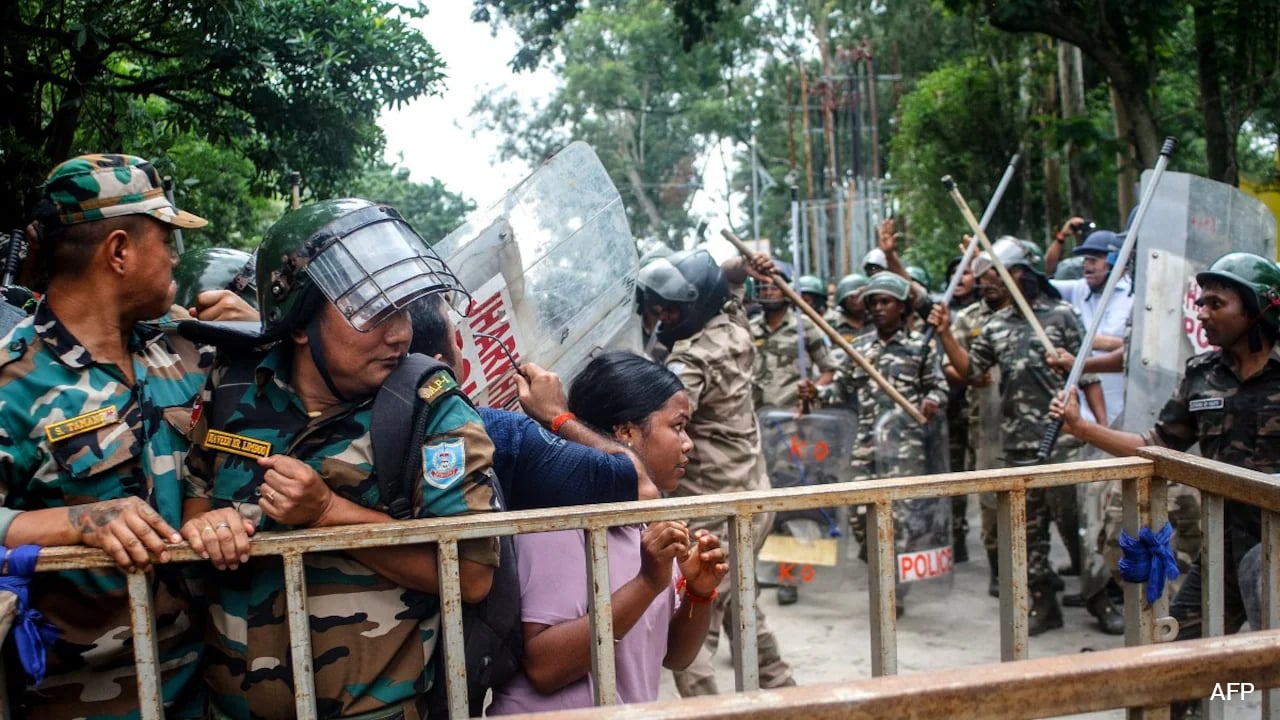
With inmate populations doubling the sanctioned capacity in Tihar, Rohini, and Mandoli, Delhi is racing to complete the Narela prison complex by November 2027 to alleviate the crisis.
- Delhi's three main prisons are housing nearly twice their sanctioned capacity.
- A new 40-acre Narela prison complex is slated for completion by November 2027.
- Approximately 88% of the current inmate population consists of undertrials.
- The Narela facility will include a high-security unit for 256 high-risk prisoners.
The prison infrastructure in Delhi is currently at a breaking point. The city's primary correctional facilities—Tihar, Rohini, and Mandoli—are struggling to manage an inmate population that significantly exceeds their combined sanctioned capacity. In 2025, while the total sanctioned capacity stood at 10,026, the actual number of inmates surged past 20,000, creating a logistical and security nightmare for the administration.
To combat this escalating crisis, the government has fast-tracked the development of a new 40-acre prison complex in Narela. Scheduled to open by November 2027, this facility is designed to house 1,256 inmates. Crucially, it will feature a dedicated high-security wing for 256 high-risk prisoners, intended to shift the most dangerous offenders away from the overcrowded general population in existing jails.
Why This Matters
BozokMedia analysis shows that the crisis is not merely a matter of physical space but a symptom of deeper systemic issues within the judicial process. The massive influx of undertrials suggests that the bottleneck lies in the speed of legal proceedings rather than just the rate of crime.
We can’t meet the challenge of overcrowding by increasing the number of jails; it is a vicious cycle of no reform leading to more prisoners and more corruption.
A startling statistic from recent records reveals that 88% of the inmates are undertrials, meaning the vast majority are awaiting trial rather than serving sentences for convicted crimes. Furthermore, the demographic is heavily skewed towards the youth, with 60% of inmates aged between 18 and 30. This demographic reality places an immense burden on prison staff and rehabilitation programs.
Beyond the space crunch, the prison department is grappling with a significant manpower shortage. Out of 3,200 sanctioned posts, only 2,500 personnel are currently deployed. To address this, the department plans to recruit over 1,600 new staff members, including warders, to ensure the safety and order of the facilities.
Rehabilitation and Vocational Progress
Despite the challenges, there is a concerted effort toward inmate rehabilitation. The Tihar carpentry and fabrication unit has become a productive hub, recently supplying 10,000 dual desks to Delhi government schools and 26,000 to MCD schools. Inmates are also receiving technical training in repairing household appliances like air conditioners and fans, aiming to provide them with viable skills for reintegration into society.
| Metric | Current Prison Status | Narela Project Plan |
|---|---|---|
| Total Capacity | ~10,026 (Sanctioned) | 1,256 (New Complex) |
| Inmate Load | 20,000+ (Actual) | Targeted High-Risk Shift |
| Primary Demographic | 88% Undertrials | High-Security Focus |
Experts, including V.K. Singh of the Prison World Organisation, warn that simply building more walls is not a panacea. While the expansion of semi-open and open prisons offers a controlled transition for well-behaved inmates, true relief will only come when judicial delays are minimized and legal reforms are prioritized to reduce the number of undertrials languishing behind bars.
Frequently Asked Questions
1. What is the primary cause of overcrowding in Delhi jails?
The primary cause is the high percentage of undertrials (88%) who remain in custody while awaiting trial, alongside a lack of sanctioned manpower and space.
2. How will the new Narela prison improve security?
The Narela complex will utilize panopticon-style architecture and multi-layered security to specifically house high-risk inmates.