The Armed Forces Tribunal (AFT) has validated the Indian Army's disciplinary action against Brigadier P Acharya regarding the 2023 custodial deaths of three civilians in Topa Pir, Jammu & Kashmir. The bench ruled that human emotions cannot supersede military discipline and legal obligations.
- AFT Chandigarh Bench upheld the 'severe displeasure' awarded to Brigadier P Acharya.
- The case involves the 2023 deaths of three civilians during questioning in Topa Pir, Poonch.
- The tribunal ruled that military discipline and the Geneva Convention must prevail over revenge or emotions.
The Chandigarh Bench of the Armed Forces Tribunal (AFT) has upheld the Indian Army’s decision to award "severe displeasure" to Brigadier P Acharya. This decision pertains to the tragic 2023 incident in the Topa Pir area of Jammu and Kashmir’s Poonch district, where three civilians died during alleged custodial torture by troops under his command.
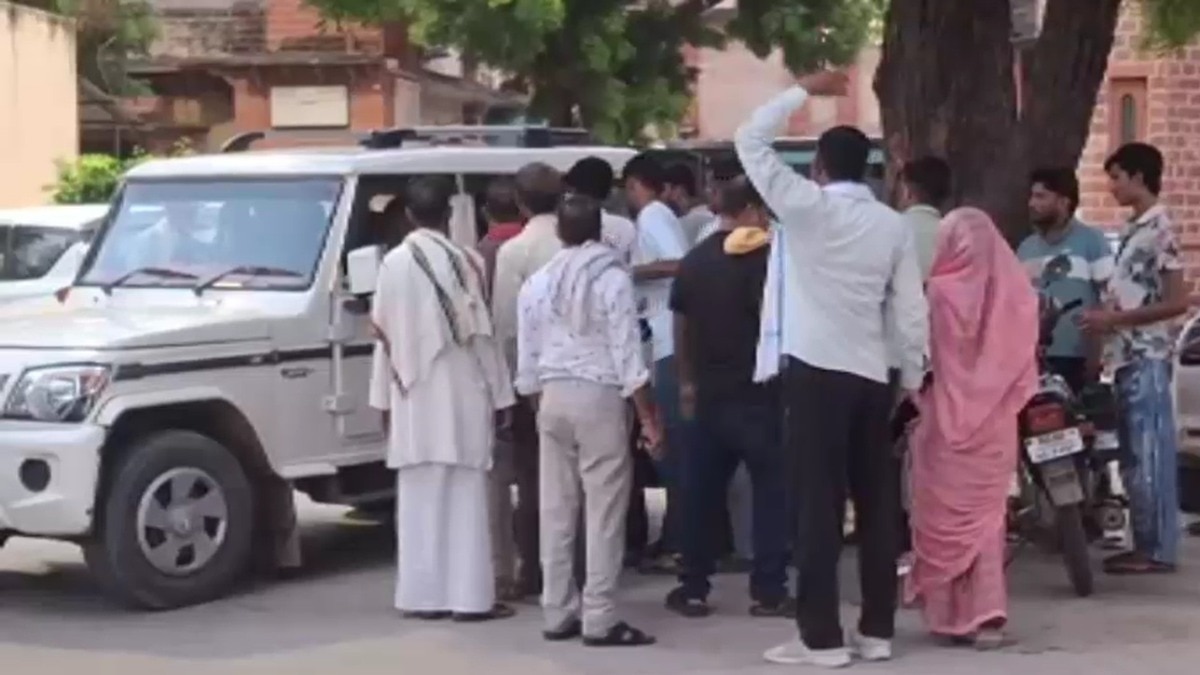
The incident traces back to December 21, 2023, following a brutal terrorist ambush on the Dehra Ki Gali-Buffliaz road that claimed the lives of four Indian soldiers. In the subsequent operations, troops from the 48 Rashtriya Rifles (RR) detained several locals for questioning. Among them, three civilians were later found dead with injuries consistent with torture.
The Conflict Between Emotion and Discipline
In its ruling, the AFT Bench, comprising Justice Sudhir Mittal and Lt Gen Rambir Singh, acknowledged the intense psychological pressure on the troops. They noted that witnessing the brutal killing and beheading of fellow soldiers naturally triggers intense emotions and a desire for retribution.
In the conflict between human emotions and requirements of discipline, which is based on Supreme Court precedents, human emotions must yield.
BozokMedia analysis shows that this judgment reinforces the principle of command responsibility. The tribunal emphasized that even in the heat of conflict, the Indian soldier is bound by rigorous training and the Geneva Convention to treat civilians humanely, regardless of the circumstances.
Command Accountability and Background
The 16 Corps Headquarters had initiated a Court of Inquiry to investigate whether Brigadier Acharya failed to exercise proper command and control. The charges included failure to prevent excessive force and failing to issue clear instructions regarding the handling of civilians. Following the inquiry, the General Officer Commanding awarded the Brigadier "severe displeasure" for two years in July 2024.
The incident had previously drawn significant attention, with Defence Minister Rajnath Singh visiting the region to assure grieving families that justice would be served. The tribunal's refusal to interfere suggests that the Army's internal disciplinary process was found to be procedurally sound and legally valid.
Frequently Asked Questions
1. What was the specific punishment for the Brigadier?
He was awarded "severe displeasure" for a period of two years by the 16 Corps Headquarters.
2. Why did the AFT refuse to overturn the decision?
The AFT found no illegality or procedural violation in the Army's action and emphasized that discipline must override emotions.