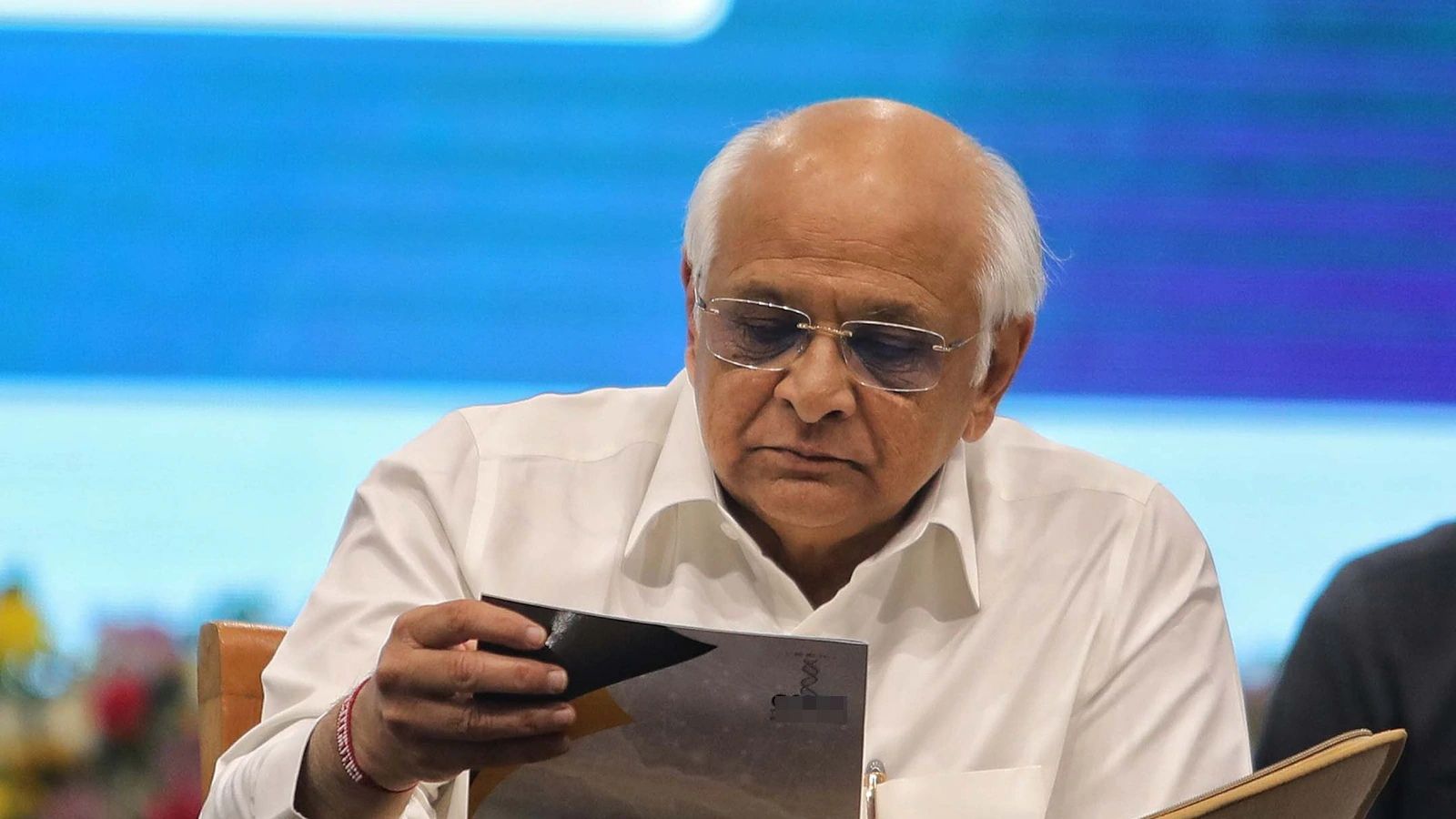
An FIR has been filed against CJP founder Abhijeet Deepke and associate Ajinkya Shinde for allegedly trespassing into a government school in Latur, Maharashtra.
- FIR filed against CJP founder Abhijeet Deepke and Ajinkya Shinde in Latur.
- Allegations of unauthorized entry into a government-run school.
- Charges include criminal intimidation and obstructing public servants.
In a significant legal development, the Ausa Police Station in Maharashtra's Latur district has registered an FIR against Abhijeet Deepke, the founder of CJP (Citizens for Justice and Peace), and his associate Ajinkya Shinde. The legal action follows a formal complaint lodged by a school teacher.
The incident reportedly occurred during the ongoing 'School Theek Karo' campaign spearheaded by CJP. According to the complaint, the accused entered the government-run school premises without obtaining the necessary prior permissions. Once inside, they allegedly sat among the students and conducted unauthorized questioning, which disrupted the scheduled educational activities.
The Core Allegations
The complainant alleges that the presence and actions of Deepke and Shinde were not merely observational but obstructive. The teacher stated that the individuals interfered with the official duties of the staff and used intimidating tactics against the teaching personnel present on the premises. This interference has been characterized as a direct violation of school protocols and administrative authority.
The police have invoked several sections of the Bharatiya Nyaya Sanhita (BNS). The charges specifically cover criminal trespassing, criminal intimidation, and the obstruction of public servants in the discharge of their official duties. The investigation is currently underway to ascertain the exact sequence of events.
Why This Matters
BozokMedia analysis shows that this incident highlights the growing friction between social activist groups and state-run educational institutions. While organizations claim to work toward systemic improvement, the lack of adherence to administrative protocols can lead to legal confrontations that undermine the very cause they represent.
The intersection of social activism and administrative law often creates high-stakes legal battles regarding the boundaries of institutional oversight.
As the investigation progresses, the case is likely to set a precedent regarding how non-governmental entities can engage with public institutions without infringing upon legal mandates.
Historical Background
In recent years, India has seen a surge in grassroots movements aimed at auditing the quality of public services, including education. However, these movements often face scrutiny from local administrations regarding their methods, access rights, and the legality of their intervention in government-managed spaces.
Frequently Asked Questions
1. What specific charges are leveled against the CJP founder?
The charges include trespassing, criminal intimidation, and obstructing public servants.
2. Where did the incident take place?
The incident took place at a government school in the Latur district of Maharashtra.