The Patna High Court has dismissed a plea seeking to increase the number of devotees in the Mahabiri Julus, ruling that religious rights are subject to public order and reasonable restrictions.
- Patna High Court dismissed a plea to allow 300 devotees in the Mahabiri Julus procession.
- The court ruled that religious freedoms under Articles 19 and 25 are not absolute.
- Reasonable restrictions can be imposed to maintain public order, morality, and health.
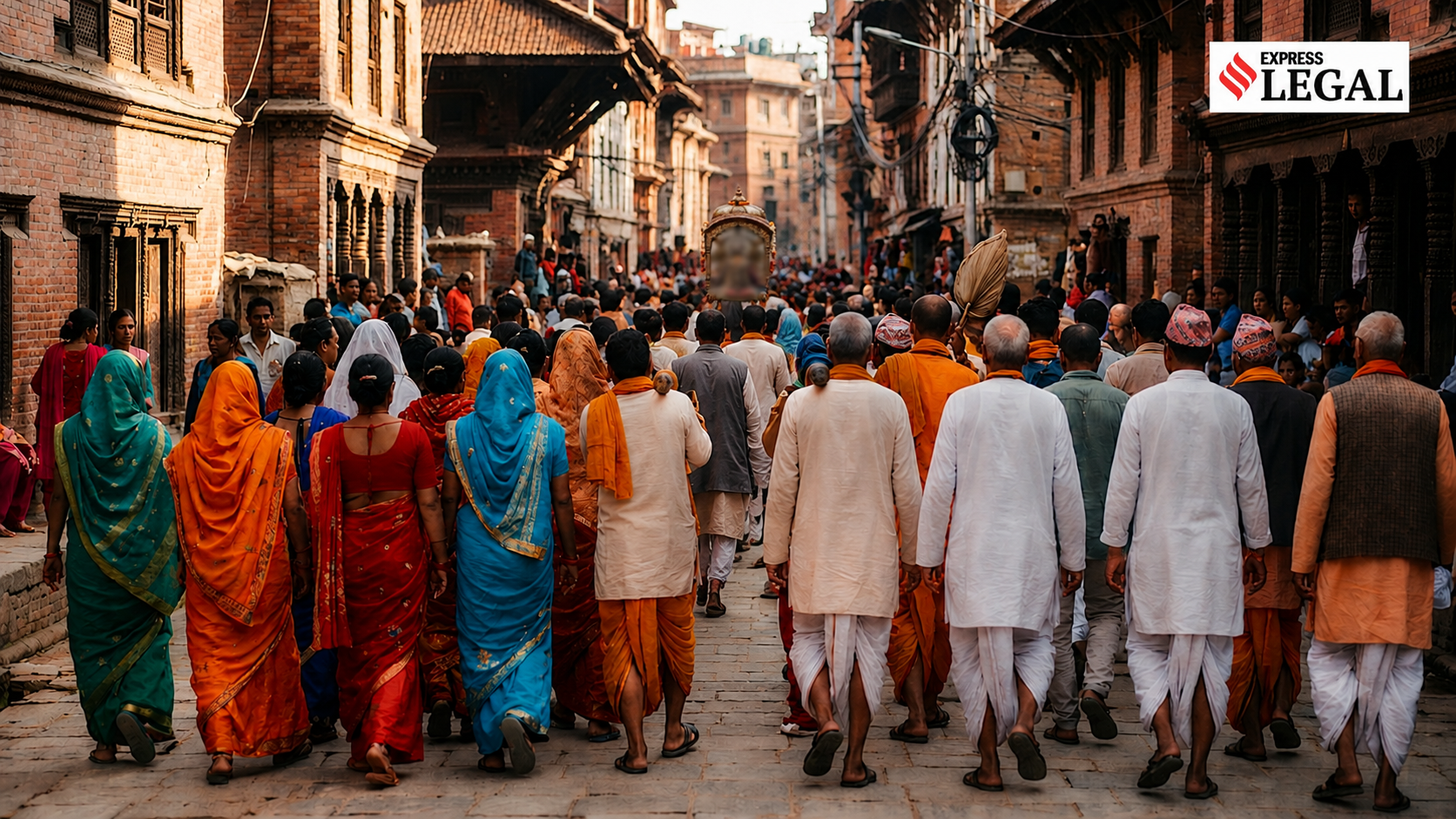
The Patna High Court has delivered a significant ruling, stating that while religious processions are protected, they remain subject to public order and reasonable restrictions. The court dismissed a petition seeking permission for at least 300 devotees to participate in the annual 'Mahabiri Julus' procession, emphasizing that constitutional protections are not unlimited.
Justice Alok Kumar observed that the state must maintain neutrality toward all religions and treat every faith equally. In his order, he noted, "The constitutional protection extends only to what is essential and integral to the religious practice, not to every mode or manner of its exercise." He further added that unchecked freedom could cause significant harm to society at large.
Why This Matters
BozokMedia analysis shows that this judgment reinforces the legal doctrine of 'reasonable restrictions,' a cornerstone of Indian Constitutional law. It establishes a clear boundary between the exercise of individual religious rights and the state's duty to ensure collective security and social peace.
No Constitutional right is absolute; the state must balance personal liberty with collective public welfare.
The dispute arose when a devotee from Akhara No. 1 in Siwan district challenged the authorities' decision to drastically reduce the number of permitted participants. According to the petitioner, while 200 devotees were allowed in 2012, the police had arbitrarily reduced the number to just five devotees from 2023 onwards, while also altering the traditional route.
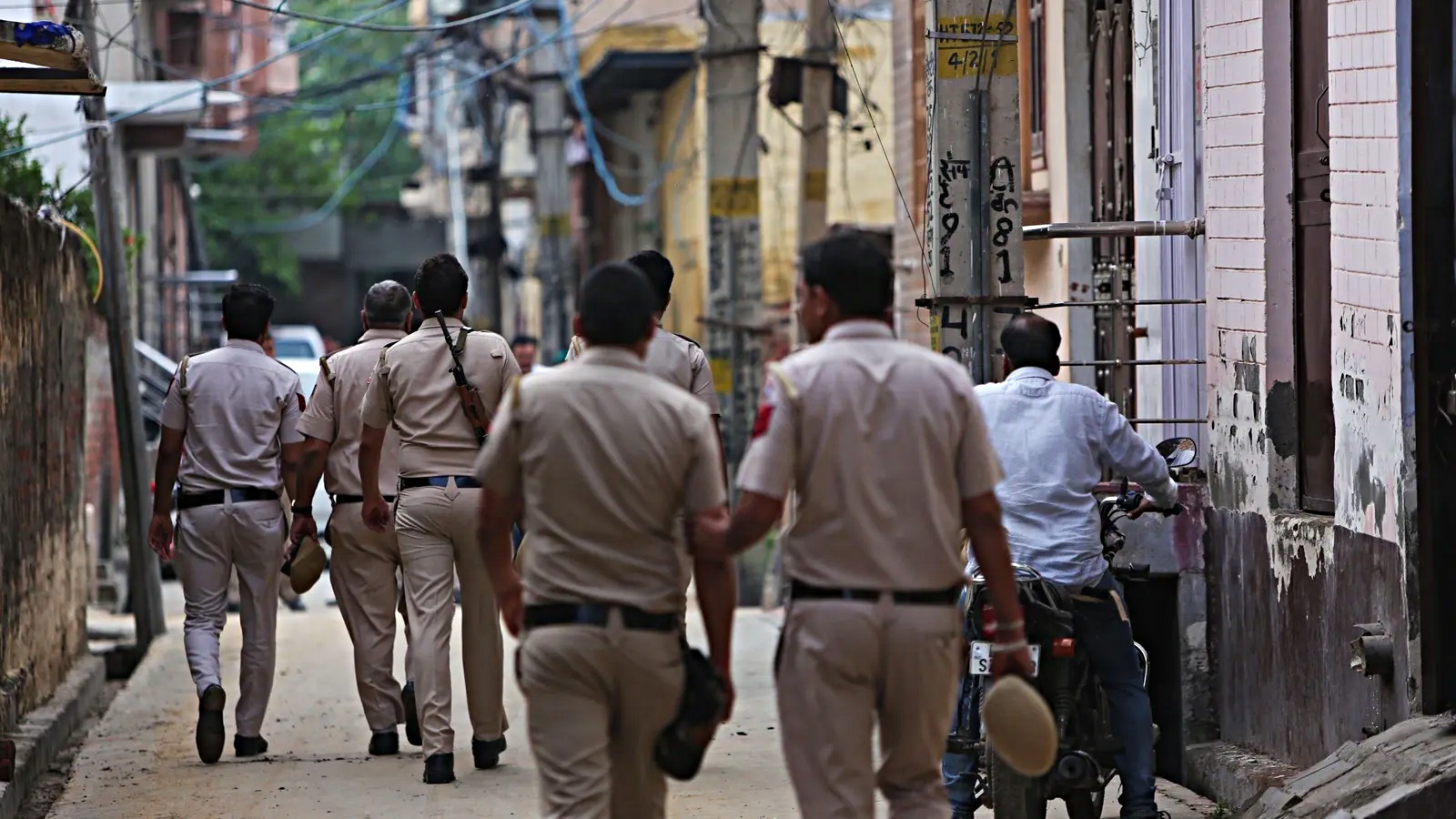
The petitioner's counsel argued that the police were abdicating their duty by yielding to potential miscreants instead of protecting the lawful right to a procession. Conversely, the state argued that the restrictions were a direct response to previous incidents where large crowds led to violence, including the burning of government vehicles and stone-pelting at police personnel.
| Year | Permitted Devotees (Alleged) | Reason for Restriction |
|---|---|---|
| 2012-2013 | 200 | Standard Permission |
| 2014-2015 | 150 - 100 | Progressive Reduction |
| 2023-Present | 5 | Law and Order Concerns |
Frequently Asked Questions
1. What are 'reasonable restrictions' in the Constitution?
They are legal limits imposed by the state on individual freedoms to protect public order, national security, and social morality.
2. Why did the court dismiss the Mahabiri Julus plea?
The court held that the right to practice religion is subject to public order and that the specific number of devotees is a matter of prevailing law-and-order situations.