The Enforcement Directorate (ED) has conducted raids on premises linked to a Jaipur-based pastor over allegations of receiving ₹2.88 crore in illegal foreign funds for proselytization among Dalit and tribal communities.
- ED conducted searches at two premises in Jaipur linked to Pastor Ravi Mohan Pahadiya.
- Allegations of receiving ₹2.88 crore without FCRA registration.
- Funds allegedly used for proselytization among Dalit and Tribal communities.
- Misdeclaration of funds as 'consultancy services' and 'family maintenance'.
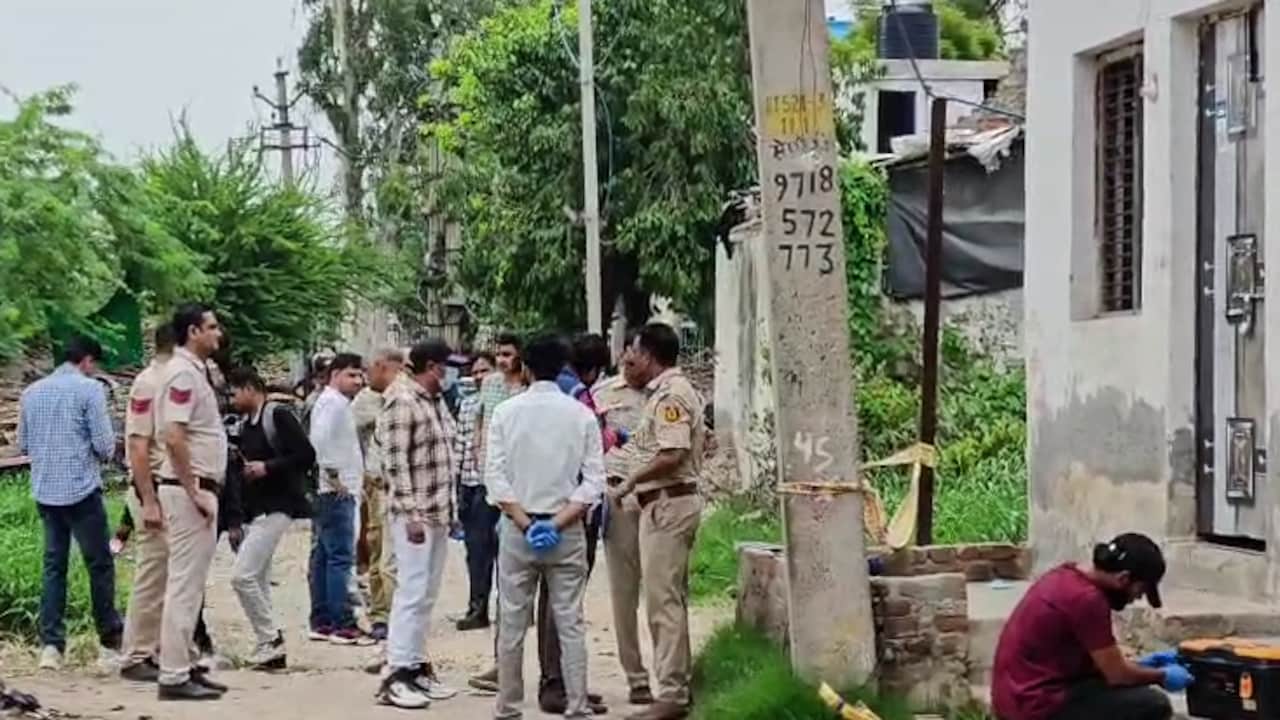
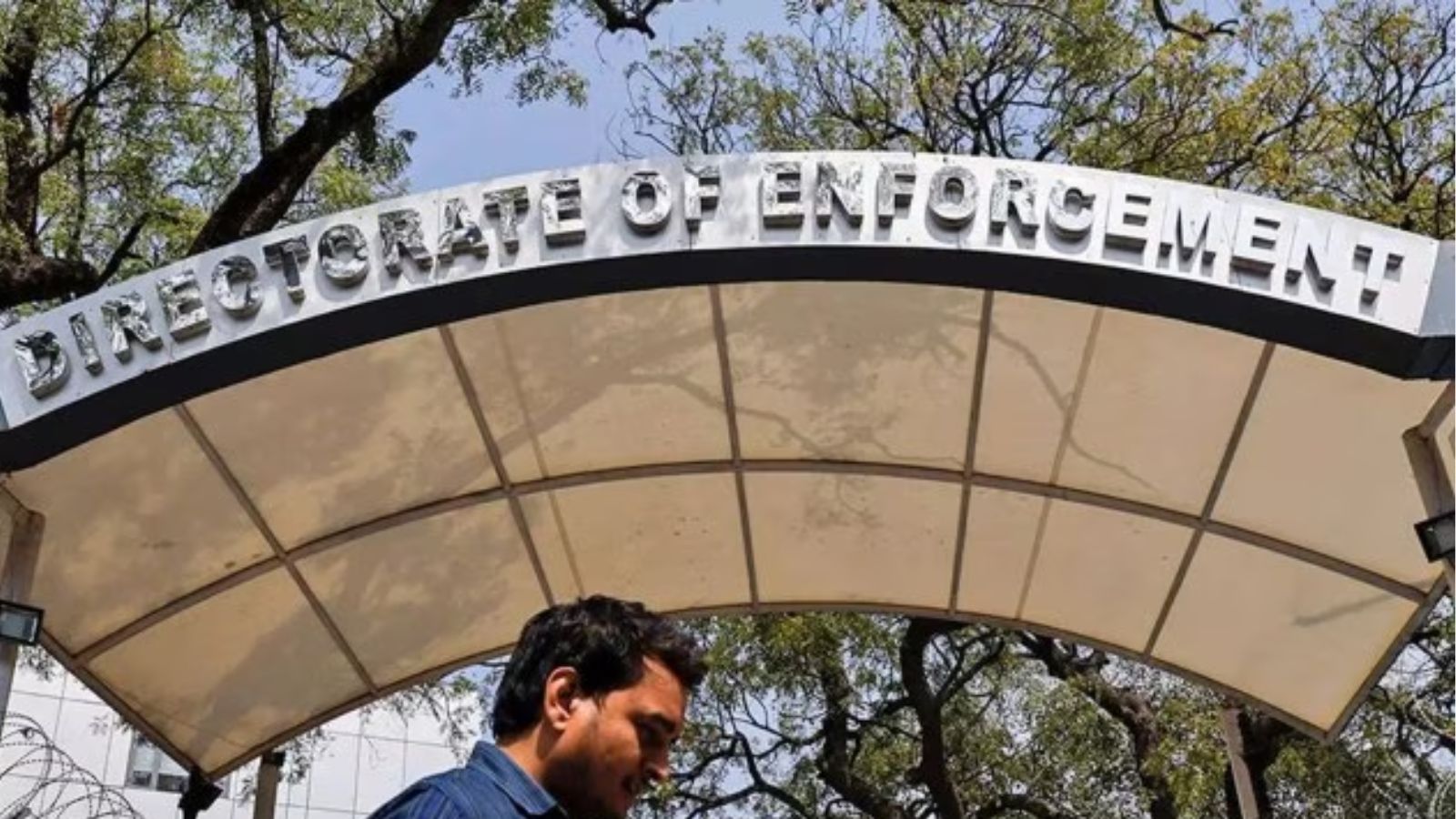
In a major crackdown, the Directorate of Enforcement (ED) conducted search operations on Friday at two premises in Jaipur linked to a local pastor. The investigation centers on the alleged violation of the Foreign Exchange Management Act (FEMA), 1999, involving the misuse of foreign donations exceeding ₹2 crore.
According to ED officials, the investigation was triggered by intelligence suggesting that Ravi Mohan Pahadiya, a Protestant Missionary affiliated with 'Hope Ministry', was illegally receiving foreign funds. The primary objective of these funds was allegedly the proselytization and conversion of Dalit Valmiki and Tribal Bhil communities in Jaipur and southern Rajasthan.
The Modus Operandi
The ED investigation has uncovered a sophisticated method of misdeclaring the nature of inward remittances. It is alleged that Pahadiya and his wife, Gunjan Sharma, received approximately ₹2.34 crore by falsely labeling the transactions as 'business and management consultancy' and 'public relations services'. Additionally, some funds were categorized as remittances from Non-Resident Indians (NRIs) for 'family maintenance and savings'.
A significant portion of the funds, estimated at ₹2.20 crore, was reportedly sourced from a US-based donor identified as Thomas Eugene Lynch. The agency claims that instead of being used for charitable purposes, the total sum of ₹2.88 crore was diverted for personal luxuries, including foreign travels and the purchase of real estate in Pahadiya's name.
Why This Matters
BozokMedia analysis shows that this case highlights the growing scrutiny on how foreign contributions are monitored in India. The intersection of illegal financial flows and religious conversion activities poses significant legal and social challenges, testing the efficacy of the Foreign Contribution (Regulation) Act (FCRA) in preventing the subversion of local community structures.
The systematic misclassification of religious funding as professional consultancy is a direct attempt to bypass the stringent oversight of the FCRA.
During the search operations, the ED seized various incriminating documents and digital devices. The agency further noted that Pahadiya remains in regular contact with foreign nationals, allegedly acting on their instructions to organize religious gatherings aimed at converting underprivileged populations across various states.
Historical Background
The FCRA was established to regulate the acceptance and utilization of foreign contributions in India. Over the last decade, the Indian government has significantly tightened these regulations to prevent foreign entities from influencing the country's internal socio-political and religious landscapes through unregulated funding.
Frequently Asked Questions
1. What is the main allegation against the Jaipur pastor?
The pastor is accused of receiving ₹2.88 crore in illegal foreign funds without FCRA registration to conduct conversion activities.
2. How were the funds being disguised?
The funds were allegedly disguised as payments for management consultancy, public relations, and personal family maintenance.