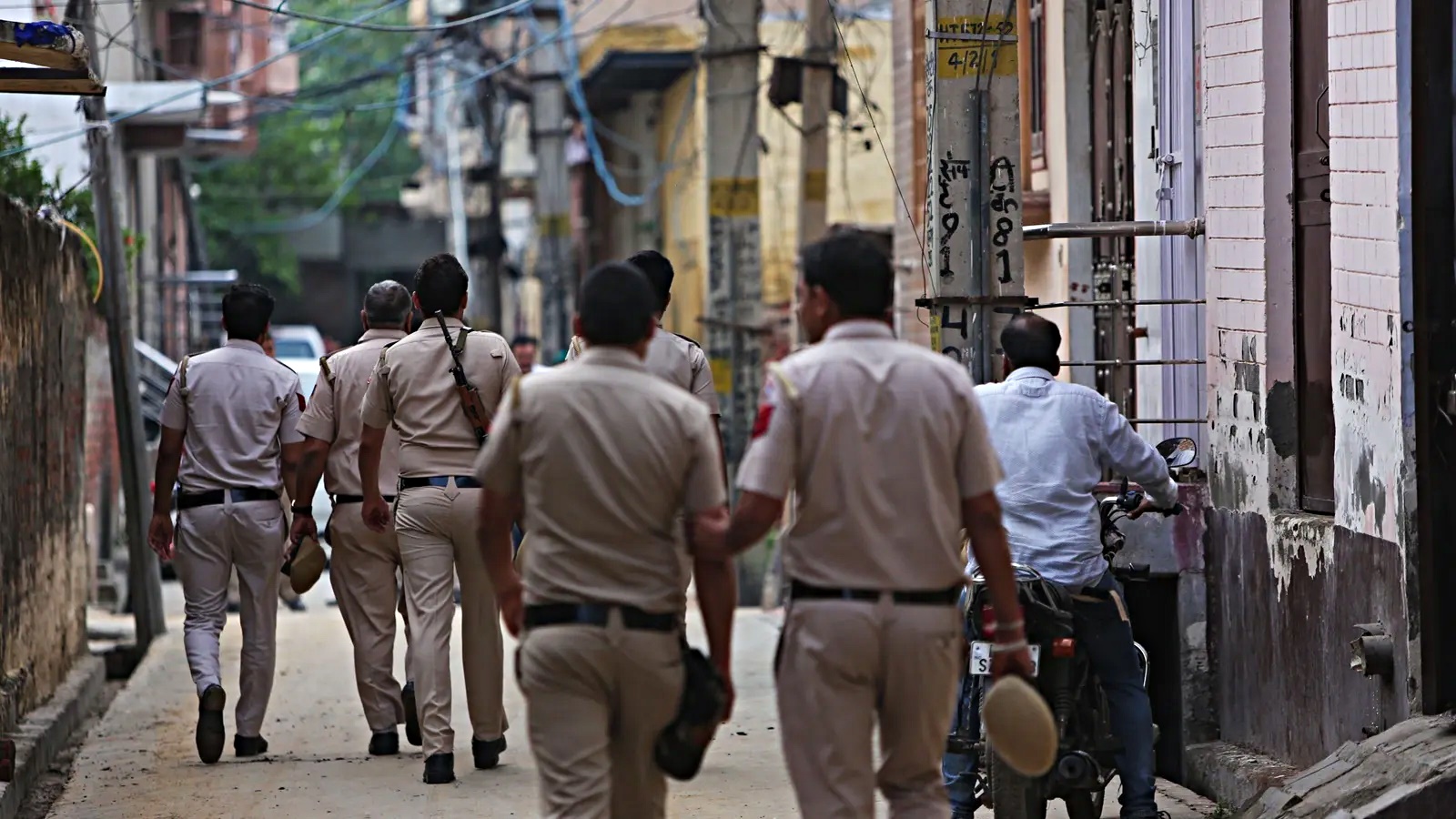
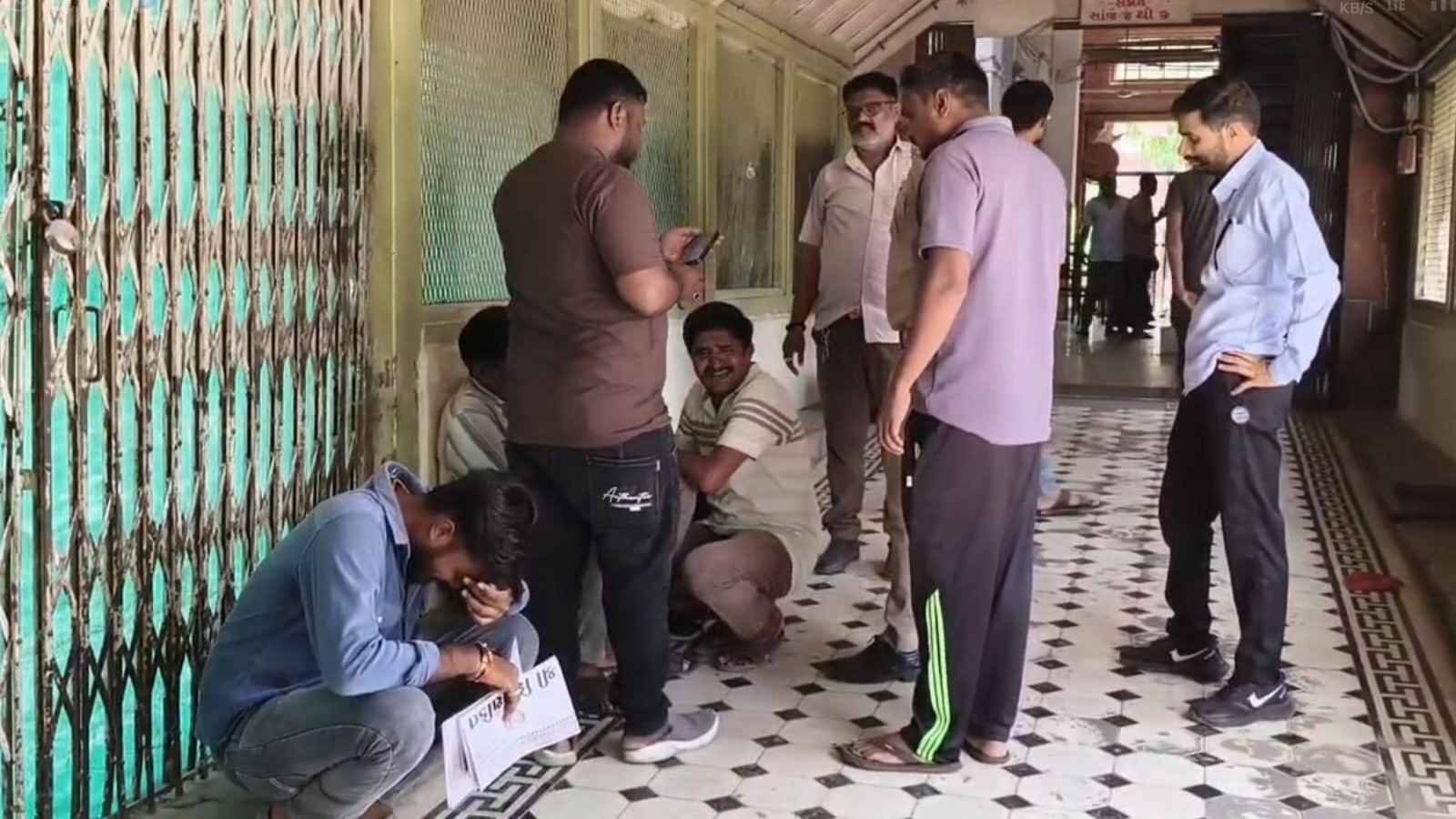
The Rajasthan High Court has sought affidavits from investigating officers after a probe into an attack on a Dalit family in Bharatpur changed hands six times in two years. The court expressed concern over the failure to meet statutory deadlines.
- Investigation into the Bharatpur Dalit family attack has changed officers six times.
- The High Court seeks affidavits explaining the failure to complete the probe within 60 days.
- The case involves alleged land encroachment by politically influential individuals.
- The Supervisory Committee under the SC/ST Act is under scrutiny for inactivity.
The Rajasthan High Court has intervened in a case involving an alleged attack on a Dalit family in the Bharatpur district, highlighting a systemic failure in the investigative process. Over the past two years, the probe into alleged land encroachment and violence has been transferred among six different investigating officers, leading to significant delays in justice.
The petitioner, Jitendra Kumar, a resident of Bayana block, approached the court seeking a fair and timely investigation. The incident dates back to May 2024, when his family was allegedly attacked by politically influential persons in an attempt to seize their agricultural land in Kair village. While the attackers also filed a counter-case, police deemed it frivolous, yet the primary investigation has remained stalled.
Why This Matters
BozokMedia analysis shows that the repeated shuffling of investigating officers in sensitive caste-based violence cases often serves as a tactic to dilute the momentum of the probe. The lack of continuity not only hampers the collection of evidence but also subjects the victims to prolonged psychological and social harassment.
Justice Shubha Mehta of the Jaipur Bench observed that the inability to conclude the investigation in a timely manner is "concerning." The court has now directed the Public Prosecutor to obtain formal affidavits from all officers named in the factual report, demanding specific reasons why the investigation was not completed within the mandatory 60-day window prescribed by law.
The failure of the supervisory mechanism to trigger timely reviews is a direct blow to the protections promised under the SC/ST Act.
The legal complexities are heightened by the fact that the Scheduled Castes/Scheduled Tribes (Prevention of Atrocities) Act, 1989 mandates a 60-day timeline for completion. The list of officers involved in the shifting probe includes a Circle Officer and five Additional Superintendents of Police, including one from the civil rights cell.
The Centre for Dalit Rights (CDR) has criticized the inactivity of the statutory supervisory committee, which includes the Home Secretary and the Director General of Police. According to the CDR, regular quarterly meetings should have prevented this delay and ensured the arrest of the 12 accused members of the Gujjar community.
| Feature | Statutory Requirement (SC/ST Act) | Actual Case Status |
|---|---|---|
| Investigation Timeline | 60 Days | Over 26 Months |
| Supervisory Review | Quarterly Meetings | No regular review found |
| Officer Continuity | Single Lead Investigator | 6 Different Officers |
Frequently Asked Questions
1. Why did the High Court intervene in this case?
The court intervened due to the suspicious delay in the investigation and the fact that the case was transferred between six different officers without resolution.
2. Who is part of the Supervisory Committee?
The committee includes high-ranking officials such as the Home Secretary, DGP, and the Director of Prosecution.