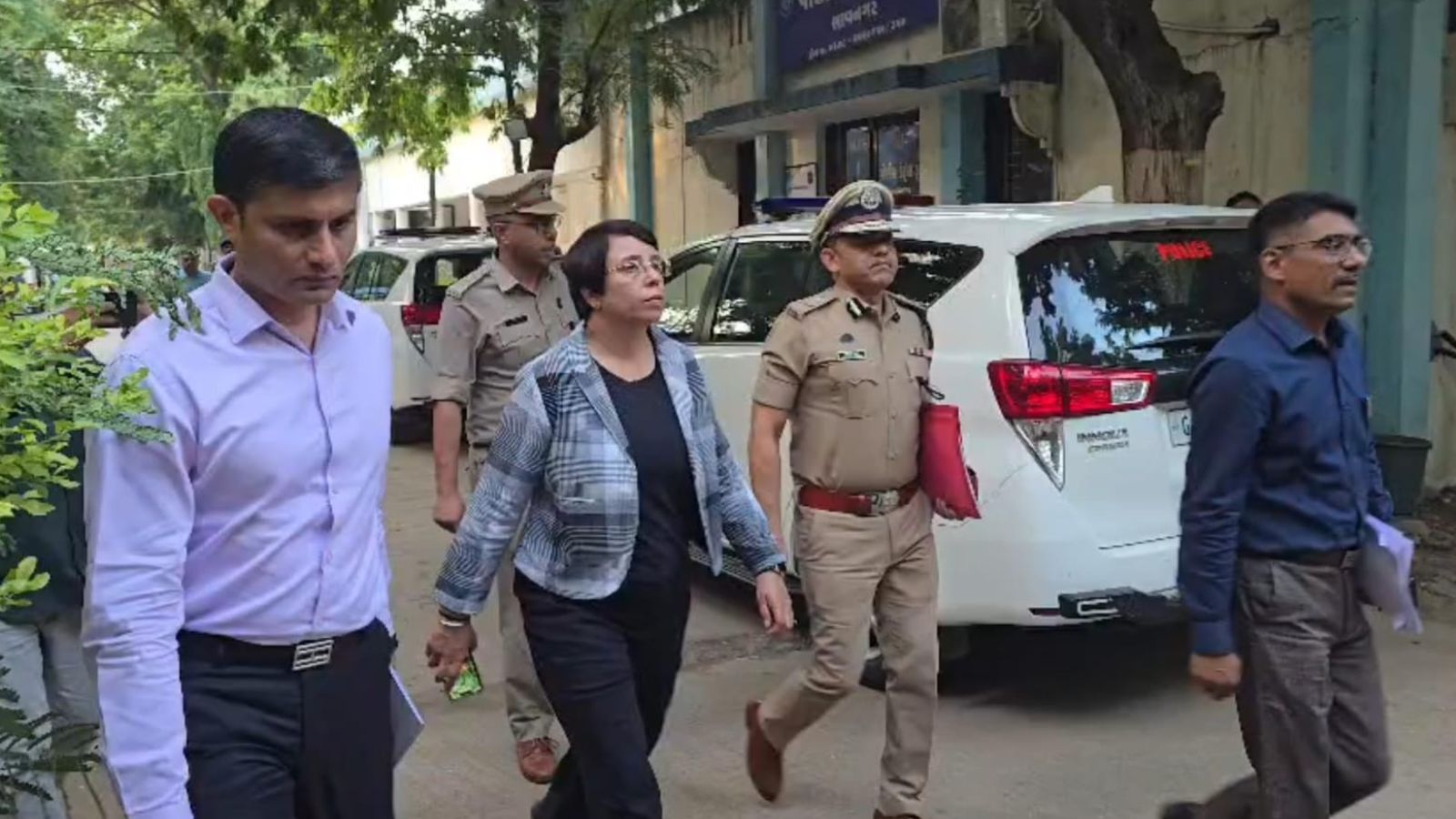
Gujarat police’s State Monitoring Cell has taken 13 more suspects into custody, including a Madhya Pradesh resident, bringing the total number of arrests to 27 in the deadly Bhavnagar hooch case. The move follows the death of 13 victims, including the alleged brewmaster.
- 27 people arrested so far in the Bhavnagar hooch tragedy
- Madhya Pradesh resident Anand Rakesh Chhandi identified as a key conspirator
- Multi‑state police task forces deployed to trace methanol supply chain
The Gujarat Police’s State Monitoring Cell (SMC) announced on August 23 that it had arrested 13 additional individuals, among them Anand Rakesh Chhandi from Ujjain, Madhya Pradesh. This brings the cumulative arrests in the case to 27, marking the largest crackdown on illicit liquor this year.
According to the SMC statement, Chhandi “played a major role in the conspiracy to sell poisonous liquor. The chemical for making poisonous liquor came through him.” Authorities allege that he facilitated the procurement of methanol and other hazardous chemicals used to adulterate the liquor.
The remaining 12 accused, all residents of Bhavnagar, were involved in the supply chain – ordering bottles, storing them, and distributing the tainted liquor to consumers. They have been identified as Arvind alias Pandey Dinesh Solanki, Sanjay Nanu Makwana, Nitin alias Munna Devji Mori, Kishor alias Pochcho Chhana Solanki, Mayur Vinod Solanki, Sanjay Devji Mori, Mukesh alias Kachori Govind Baraiya, Sanjay alias Chakram Dhanji Baraiya, Nirmalsinh Gambhirsinh Vaghela, Parthrajsinh Harendrasinh Gohil, Sanjay Rawat Chavda, and Bhagirathsinh Sahdevsinh Gohil.
The SMC took over the investigation on August 19, a day after 21 individuals were booked for culpable homicide not amounting to murder at Vartej police station. The tragedy claimed 13 lives, including the alleged brewmaster Narendrasinh Yadav alias Doctor, who died on August 18 after consuming the toxic liquor.
Superintendent of Police Mayur Chavda, heading the probe, has deployed 16 task forces across Delhi, Madhya Pradesh, Rajasthan, Uttar Pradesh, and Gujarat to trace the origin of methanol, its transport routes into the dry state, and the full network of conspirators.
Historically, Gujarat has witnessed several hooch disasters, notably in 1998 and 2009, when methanol‑contaminated liquor caused hundreds of deaths. These incidents prompted the state to enforce strict prohibition policies, yet illicit operations continue to exploit loopholes, underscoring the need for vigilant enforcement.
Why This Matters
BozokMedia analysis shows that the swift multi‑state coordination underscores the growing threat of illicit liquor networks that exploit dry‑state loopholes, posing serious public‑health risks across India.
"Only coordinated, cross‑border law‑enforcement actions can dismantle these dangerous supply chains," says public‑health expert Dr. Ravi Singh.
Frequently Asked Questions
Question 1: Where did the methanol used in the hooch come from?
Answer: Investigators are still tracing the source, but early leads suggest it was smuggled from outside the state.
Question 2: Will new policies be introduced to prevent such tragedies?
Answer: The Gujarat government has already announced tighter controls, and there is growing pressure for nationwide regulation of illicit liquor.