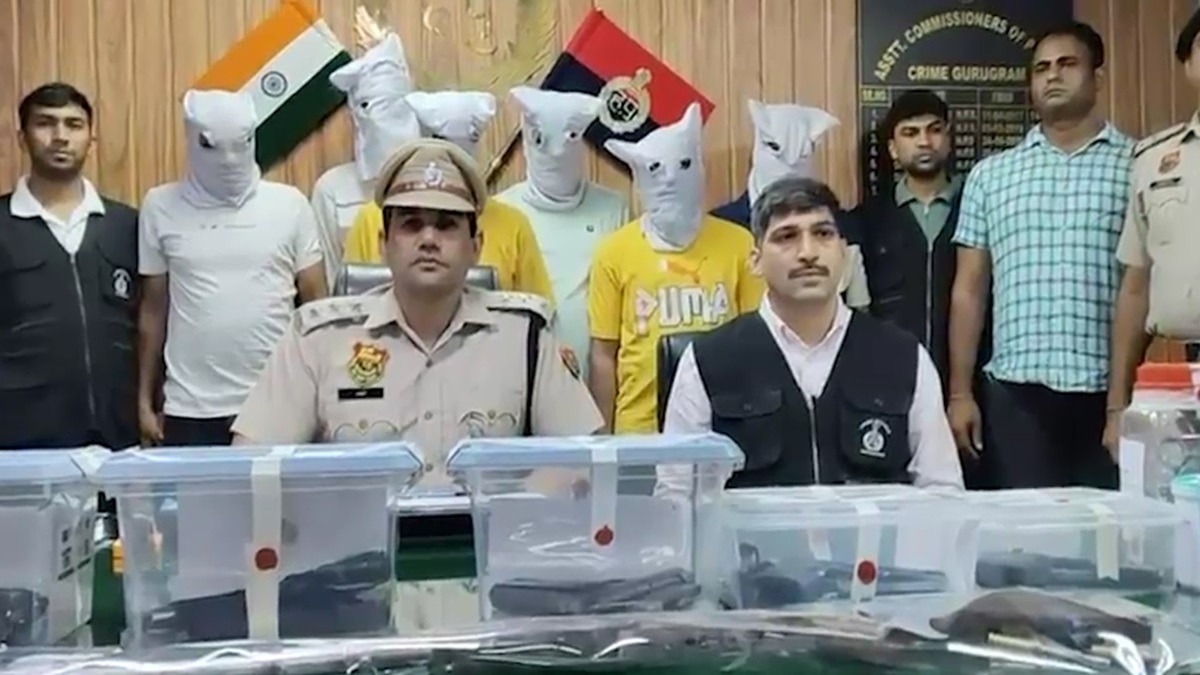
Delhi Police have dismantled an organized fake call centre in Laxmi Nagar that targeted job seekers with bogus airline employment offers. Three individuals, including two women, have been apprehended.
- Delhi Police busted a fake call centre operating out of Laxmi Nagar, East Delhi.
- The gang impersonated airline HR representatives to scam job seekers via UPI.
- Three suspects, including two women, were arrested during the operation.
- Police recovered multiple smartphones, SIM cards, and cash during the raid.
In a major crackdown on employment fraud, Delhi Police have busted an alleged fake call centre in East Delhi's Laxmi Nagar. The syndicate was reportedly targeting unemployed individuals by offering fraudulent ground-duty positions in prominent airline companies. The accused would demand registration and processing fees through digital payment methods to secure these non-existent jobs.
The investigation was triggered after a resident from Chhattisgarh filed a complaint on the National Cyber Crime Reporting Portal. The complainant was lured by an individual posing as an HR professional, who promised a job in exchange for a sum of ₹14,000. Following the instruction, the victim transferred ₹14,500 via UPI before realizing he had been defrauded.
The Investigation and Arrests
Deputy Commissioner of Police (East) Rajeev Kumar stated that the police traced the money trail to a bank account used for cash withdrawals at an ATM in East Delhi. The account was registered under Mohammad Zaid (30), who was subsequently arrested from Laxmi Nagar. His interrogation led the police to two other accomplices, Sadaf (24) and Tanisha (21).
The accused utilized sophisticated social engineering tactics, impersonating corporate professionals to exploit the desperation of job seekers.
Why This Matters: BozokMedia Analysis
BozokMedia analysis shows that recruitment fraud is evolving into a highly organized digital enterprise. Instead of physical offices, these criminals operate through decentralized networks using multiple SIM cards and mobile numbers to evade detection. The transition from traditional scams to UPI-based instant transfers allows criminals to withdraw cash quickly through ATMs, making the recovery of funds extremely difficult.
During the search at the premises, police recovered six smartphones, three keypad mobile phones with multiple SIM cards, and significant amounts of cash. The investigation revealed that Sadaf had allegedly been managing the operations for approximately three months. Interestingly, the suspects were young individuals—Zaid was a school dropout, and Sadaf had discontinued her BA course—highlighting a disturbing trend of educated youth engaging in cybercrime.
Historical Background: The Rise of Job Scams
Employment-related scams have seen a significant surge in India over the last decade. As the labor market becomes increasingly competitive, scammers exploit the vulnerability of the youth. The emergence of digital payment ecosystems like UPI has provided a low-friction method for criminals to move stolen money, necessitating more robust real-time monitoring by financial institutions and law enforcement agencies.
Frequently Asked Questions
1. How can I identify a fake job offer?
Legitimate companies never ask for money for registration, training, or security deposits during the recruitment process. Always verify the recruiter through official company channels.
2. What should I do if I am a victim of a cyber scam?
Immediately report the incident on the National Cyber Crime Reporting Portal or call the helpline at 1930.