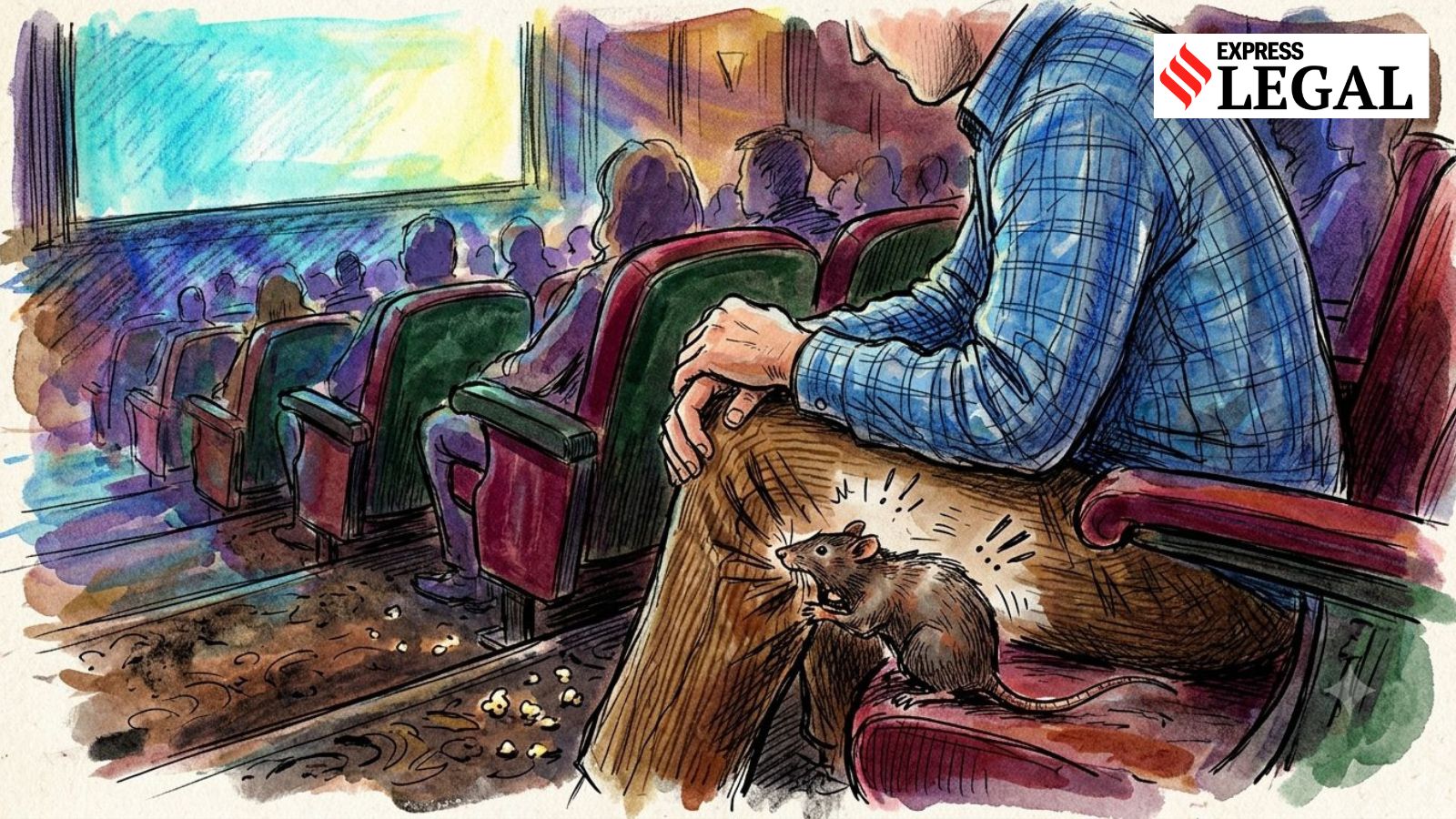
Four students who scored above 520 in NEET‑UG were denied government medical seats due to EWS and SEBC reservations. After a six‑year battle, the Bombay High Court ordered Maharashtra to reimburse their private‑college fees with interest.
- Four NEET‑UG toppers with scores of 527, 526, 524 and 522 were denied government seats.
- Maharashtra introduced a one‑time private‑college fee reimbursement scheme after allocating 10% EWS and SEBC reservations.
- The Bombay High Court ordered the state to refund the full amount with 6% simple interest after a six‑year litigation.
Background
In the 2018‑19 academic year, the centre introduced a 10% reservation for Economically Weaker Sections (EWS) while Maharashtra added quotas for Socially and Educationally Backward Classes (SEBC) and the Maratha community. The reservations applied to the 85% state quota in government and aided medical colleges. Four aspirants from Chhatrapati Sambhajinagar, scoring 527, 526, 524 and 522 out of 720 in NEET‑UG, claimed they lost government seats because the new quotas were accommodated.
On 20 September 2019, the state issued a Government Resolution (GR) promising reimbursement of private‑college fees, plus interest, to students who missed admission in government or aided colleges due to the EWS‑SEBC accommodation. The petitioners were excluded on the ground that even without the reservations they would not have secured a government seat.
Why This Matters
BozokMedia analysis shows that the case highlights systemic opacity in reservation‑driven seat allocation across India. When merit‑based candidates are sidelined without transparent justification, the financial burden on families escalates and confidence in public education erodes.
“Reservation policy should advance social equity, not sacrifice merit.” – Education policy expert Dr. Ravi Singh
Historical Background
Reservation in India dates back to the 1950s, but the addition of the EWS quota in 2019 marked the first major expansion, creating overlaps with existing SEBC and Maratha quotas. This overlap sparked numerous legal challenges, including the present six‑year fight.
Frequently Asked Questions
Q1: Can other students claim similar reimbursement?
A: The High Court ruled that any student denied a government seat under the same circumstances is entitled to the same benefit, opening the door for further claims.
Q2: What interest rate is the state required to pay?
A: The court fixed a simple interest rate of 6% from the date of the original fee payment until full reimbursement.