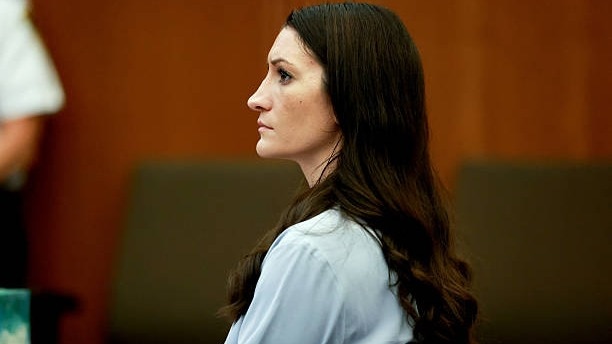
Lindsay Clancy has been charged with murdering her three children, but a segment of the public continues to back her. This article delves into the case details, public reaction, and legal implications.
- Lindsay Clancy charged with killing three children
- Public opinion sharply divided
- Legal proceedings are ongoing
Case Overview
In April 2024, authorities arrested Lindsay Clancy on suspicion of murdering her three young children. Crime scene investigators recovered forensic evidence that points to premeditation, and several witnesses corroborated the timeline of events.
Public Reaction
Social media erupted into two opposing camps. Some users argue that Clancy’s actions stem from severe maternal mental health issues and call for empathy, while many demand the harshest possible sentence.
Historical Background
Filicide cases in the United States have a long, unsettling history. The 1990s "Modern Family Tragedy" series highlighted how poverty, isolation, and untreated mental illness often intersect in such crimes, prompting legislative reforms and increased awareness.
Legal Status
Clancy currently faces first‑degree murder charges. Prosecutors have presented DNA evidence and digital records to establish intent, whereas the defense emphasizes her deteriorating mental state and seeks a reduced charge.
Why This Matters
BozokMedia analysis shows that the polarized support for Clancy underscores systemic gaps in mental‑health infrastructure, especially for at‑risk mothers.
Psychiatrist Dr. Maya Patel notes, "When early intervention fails, the risk of tragic outcomes like this escalates dramatically."
Frequently Asked Questions
Question 1: Could Lindsay Clancy receive a life sentence?
Answer: Yes, if the jury finds her guilty of first‑degree murder, a life term without parole is possible.
Question 2: What changes might this case prompt in mental‑health policy?
Answer: Advocates are calling for expanded screening and support services for pregnant and postpartum women.