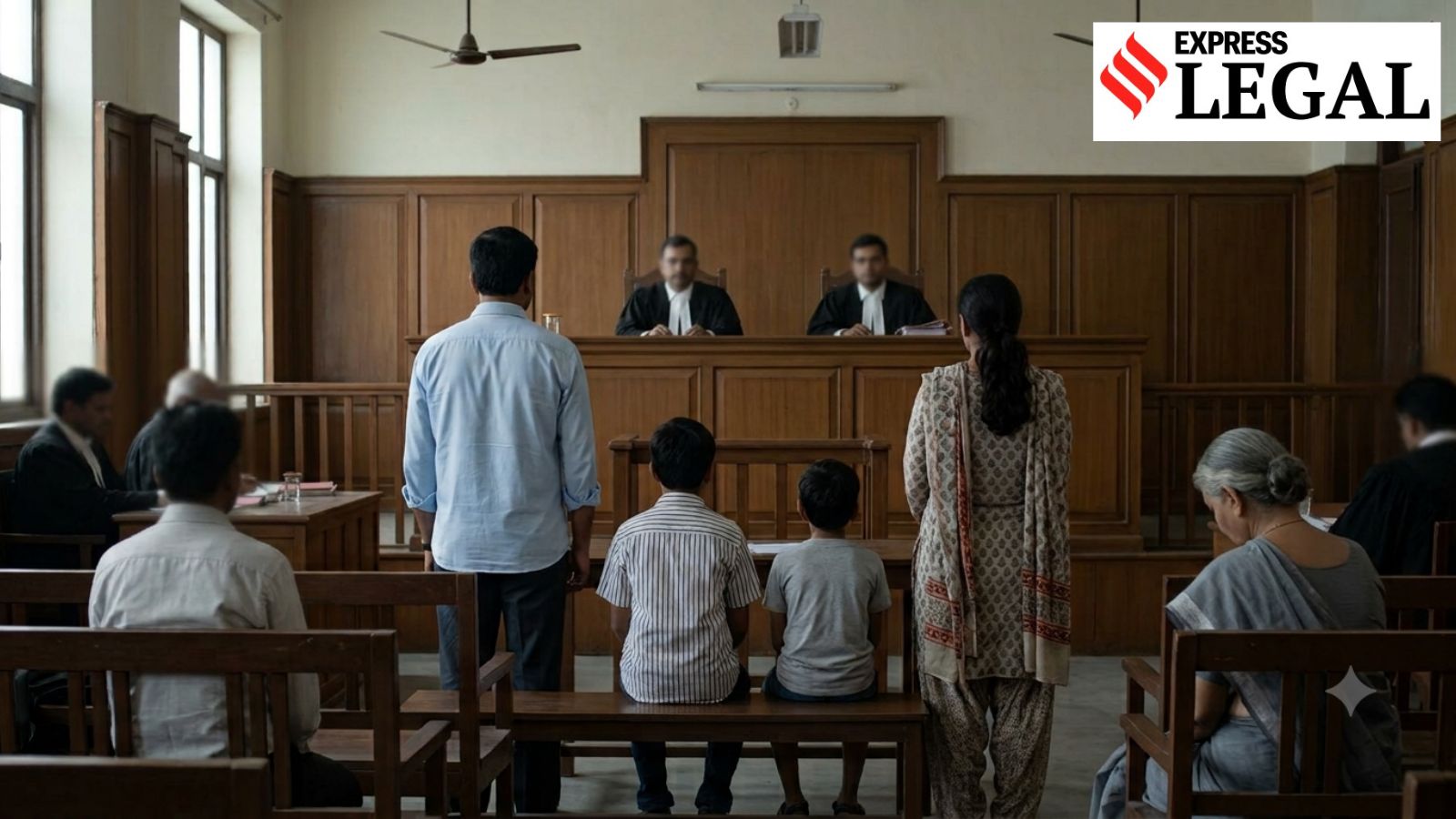
The Supreme Court has provided a sensitive mechanism for female protestors to report sexual harassment by police during the NEET-UG protests. Chief Justice Surya Kant assured that complaints can be made directly to the HPEC nodal officer.
New Delhi: In a significant move to protect the rights of demonstrators, the Supreme Court of India has ruled that women protestors who faced sexual molestation or harassment during the crackdown on NEET-UG paper leak protests can directly approach the nodal officer of the High-Powered Enquiry Committee (HPEC). Chief Justice of India (CJI) Surya Kant made this assurance on Monday, emphasizing the need for a sensitive approach to such grievances.
The judicial intervention followed an oral mention by senior advocate Shobha Gupta. Ms. Gupta argued before the bench that a separate and sensitive mechanism is indispensable for women to seek legal recourse against police personnel without fear of intimidation. She highlighted the necessity of ensuring that the dignity of female protestors is upheld during legal proceedings.
Why This Matters
BozokMedia analysis shows that this ruling sets a critical precedent for accountability within law enforcement agencies. By empowering victims to bypass local police stations and approach a judicial nodal officer, the court is addressing the inherent power imbalance that often prevents victims of custodial or protest-related violence from seeking justice.
The ability to bypass local enforcement to report misconduct is a cornerstone of institutional accountability in a democratic society.
The HPEC was constituted on August 20, 2026, to probe various allegations arising from the nationwide protests. Led by former Supreme Court judge Justice R. Subhash Reddy, the committee is tasked with investigating police excesses, targeted violence, and the grievous harm allegedly inflicted upon students. The court has specifically directed the panel to accord priority to allegations involving the harassment and molestation of female protestors.
Historical Background
Student-led protests in India have frequently become flashpoints for conflict between civil liberties and state authority. From historical movements to recent exam-related agitations, the use of force by police—including the use of pellet guns and heavy-handed crackdowns—has often led to intense legal scrutiny regarding the proportionality of state action.
Frequently Asked Questions
1. Who is the head of the High-Powered Enquiry Committee?
The committee is headed by former Supreme Court judge Justice R. Subhash Reddy.
2. To whom can a female protestor report molestation?
They can report directly to the nodal officer of the HPEC, who is a judicial officer.