The Andhra Pradesh High Court has rejected a life convict's plea for parole to attend his own wedding. The court emphasized that personal liberty to marry does not override prison discipline and security protocols.
- Andhra Pradesh High Court denied parole to a life convict seeking release for his wedding.
- The court ruled that the right to marry does not grant an unconditional right to leave prison.
- The convict's history of escaping prison and disciplinary issues were key factors in the denial.
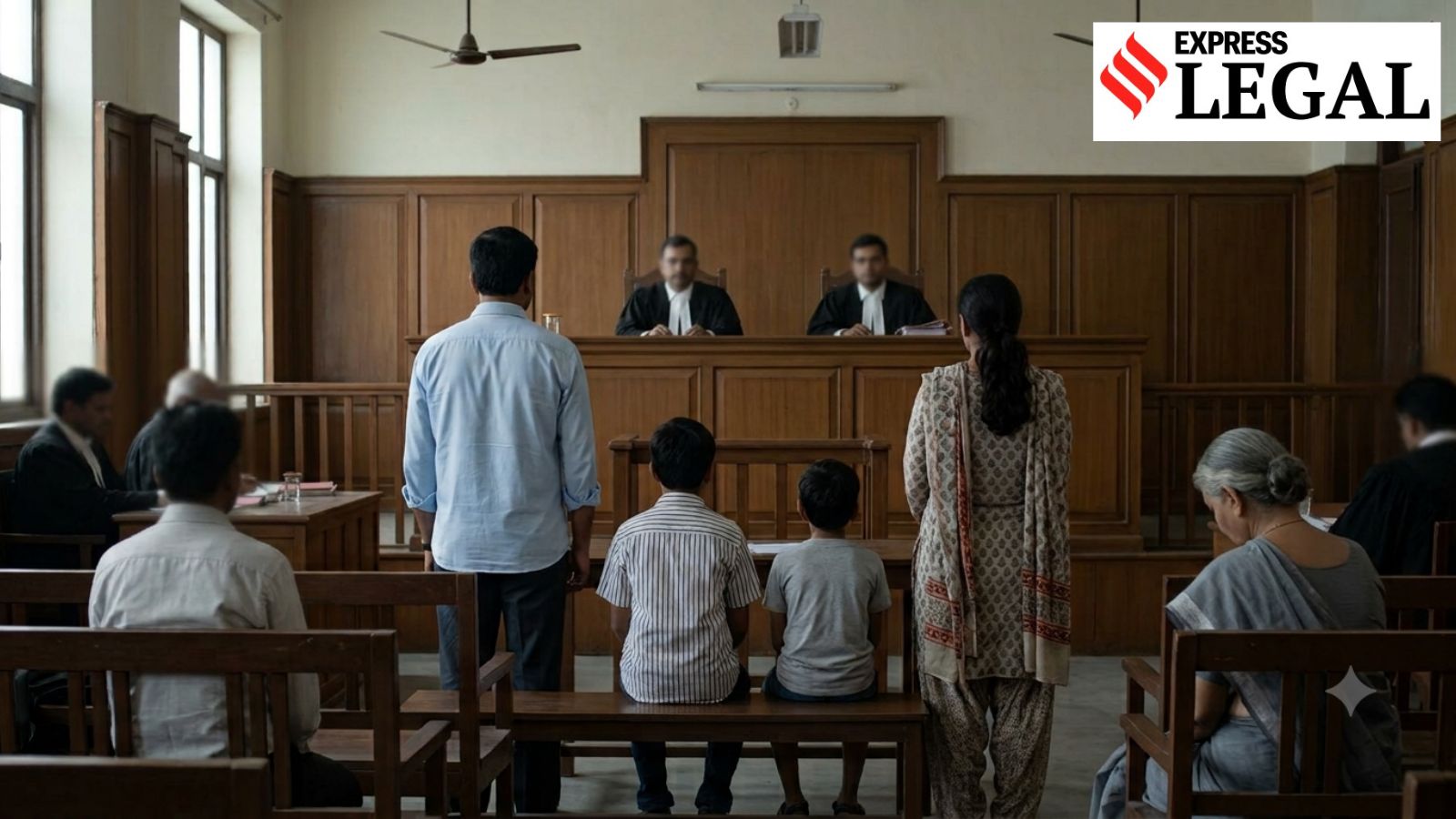
In a significant ruling, the Andhra Pradesh High Court has held that a life convict's right to marry does not equate to a right to walk out of prison for a wedding ceremony. Justice Sunitha Gandham dismissed a petition seeking 30 days of parole for a prisoner to marry the daughter of the petitioner, emphasizing that prison discipline and security concerns must take precedence over individual requests.
The petition, filed by the prospective bride's mother, sought relief not only for parole but also suggested alternatives such as conducting the wedding inside the Visakhapatnam Central Prison or allowing an escorted visit to a temple. However, the court rejected these alternatives, stating that a high-security central prison cannot be treated like an open-air camp for private social functions.
Why This Matters
BozokMedia analysis shows that this judgment clarifies the legal distinction between fundamental rights and the privileges granted to incarcerated individuals. While the Supreme Court has established that prisoners retain certain fundamental rights, the exercise of those rights is strictly regulated by the necessity of maintaining institutional order and public safety.
The right to marry is an aspect of personal liberty, but it does not automatically include a right to bypass lawful incarceration.
The court took serious note of the convict's criminal history. The individual, currently serving a life sentence for murder, had a notorious record of escaping from the Old Central Prison, Mulapet, Nellore, in 2014. He remained a fugitive for 1,736 days before surrendering. This history of absconding played a pivotal role in the court's decision to deny the request.
Furthermore, the court highlighted that under the Andhra Pradesh Suspension of Sentence on Parole Rules, 2024, parole is a privilege, not a vested right. The convict's recent disciplinary punishments also acted as a legal barrier, as rules prevent parole applications for a specific period following a punishment.
| Aspect | Convict's Request | Court's Ruling |
|---|---|---|
| Parole Duration | 30 Days | Denied |
| Wedding Venue | Central Prison | Rejected (Security Risk) |
| Temple Visit | Escorted Visit | Denied due to past escape |
Frequently Asked Questions (FAQ)
1. Can a prison be used as a wedding venue?
No, the court ruled that high-security prisons are not suitable for private marriage ceremonies due to security and disciplinary risks.
2. What are the grounds for denying parole?
Previous escapes, prison disciplinary records, and ongoing punishments are valid legal grounds for denying parole.