The Telangana High Court has overturned a 2018 order of compulsory retirement for a trial court judge, calling the punishment 'unduly harsh' and disproportionate to the proven misconduct.
- Telangana High Court set aside the 2018 compulsory retirement order.
- The court ruled the punishment was "shockingly disproportionate" to the misconduct.
- The judge is reinstated without back wages or monetary benefits.
- No charges of corruption or moral turpitude were found against the officer.
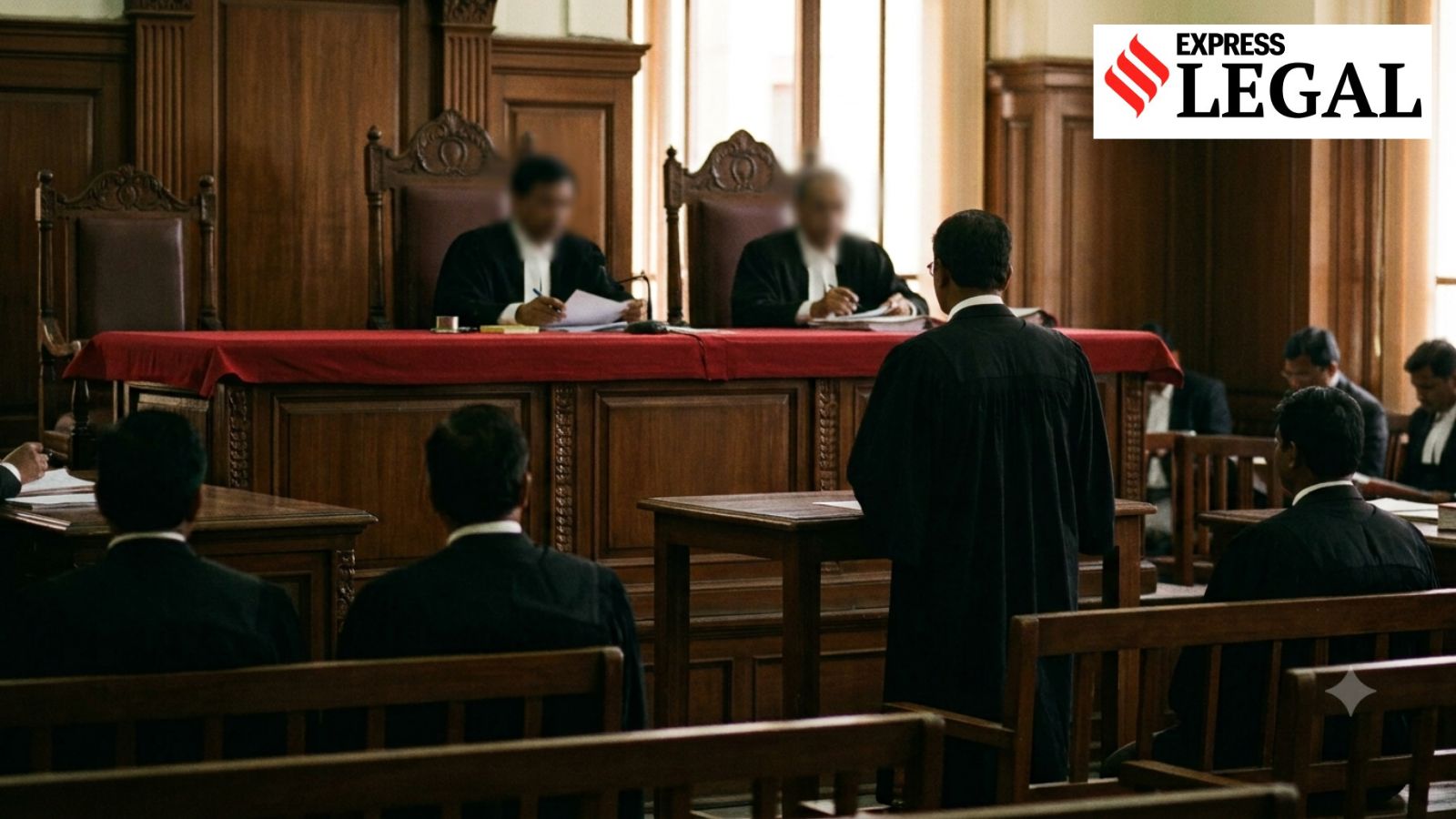
In a significant judicial development, the Telangana High Court has set aside a 2018 order directing the compulsory retirement of a trial court judge. A division bench comprising Justices P Sam Koshy and Narsing Rao Nandikonda held that the punishment imposed was "unduly harsh and shockingly disproportionate" to the misconduct established against the judicial officer. While the court ordered his reinstatement, it clarified that he would not be entitled to back wages or consequential monetary benefits.
The legal battle traces back to a March 2014 incident involving the judge and police personnel. The disciplinary proceedings were initiated following allegations of misconduct, including an incident at a check post during election-related duties. The judicial officer had contended that certain police officials became hostile toward him after he issued notices regarding lapses in their legal duties.
Historical Background of the Case
The incident occurred while the judge was still in the early stages of his career and undergoing training. On March 18, 2014, while traveling to court, his official vehicle was intercepted at a check post. While the inquiry officer found two charges of misconduct proven—specifically regarding his rude and discourteous behavior toward police officers—other serious allegations, such as the detention of toll staff and unauthorized absence from court, were found to be unsubstantiated.
Why This Matters
BozokMedia analysis shows that this ruling reinforces the legal principle that disciplinary actions must match the gravity of the offense. In administrative law, the 'doctrine of proportionality' ensures that authorities do not use excessive power to punish employees for relatively minor infractions that do not involve dishonesty or corruption.
The conduct of every Judicial Officer, both on and off the Bench, must always conform to the highest standards of dignity, restraint, impartiality and propriety.
The High Court emphasized that the absence of charges involving corruption, moral turpitude, or personal gain meant that the penalty of compulsory retirement was excessive. The court noted that while the judge's conduct fell short of the dignity expected of a public servant, it did not warrant the total termination of his career.
Frequently Asked Questions
1. Does the reinstatement mean the judge's conduct was approved?
No. The court explicitly stated that setting aside the punishment does not amount to approving the judicial officer's conduct.
2. Will the judge receive his lost salary from 2018 to now?
No, the court specifically directed reinstatement without back wages or other monetary benefits.