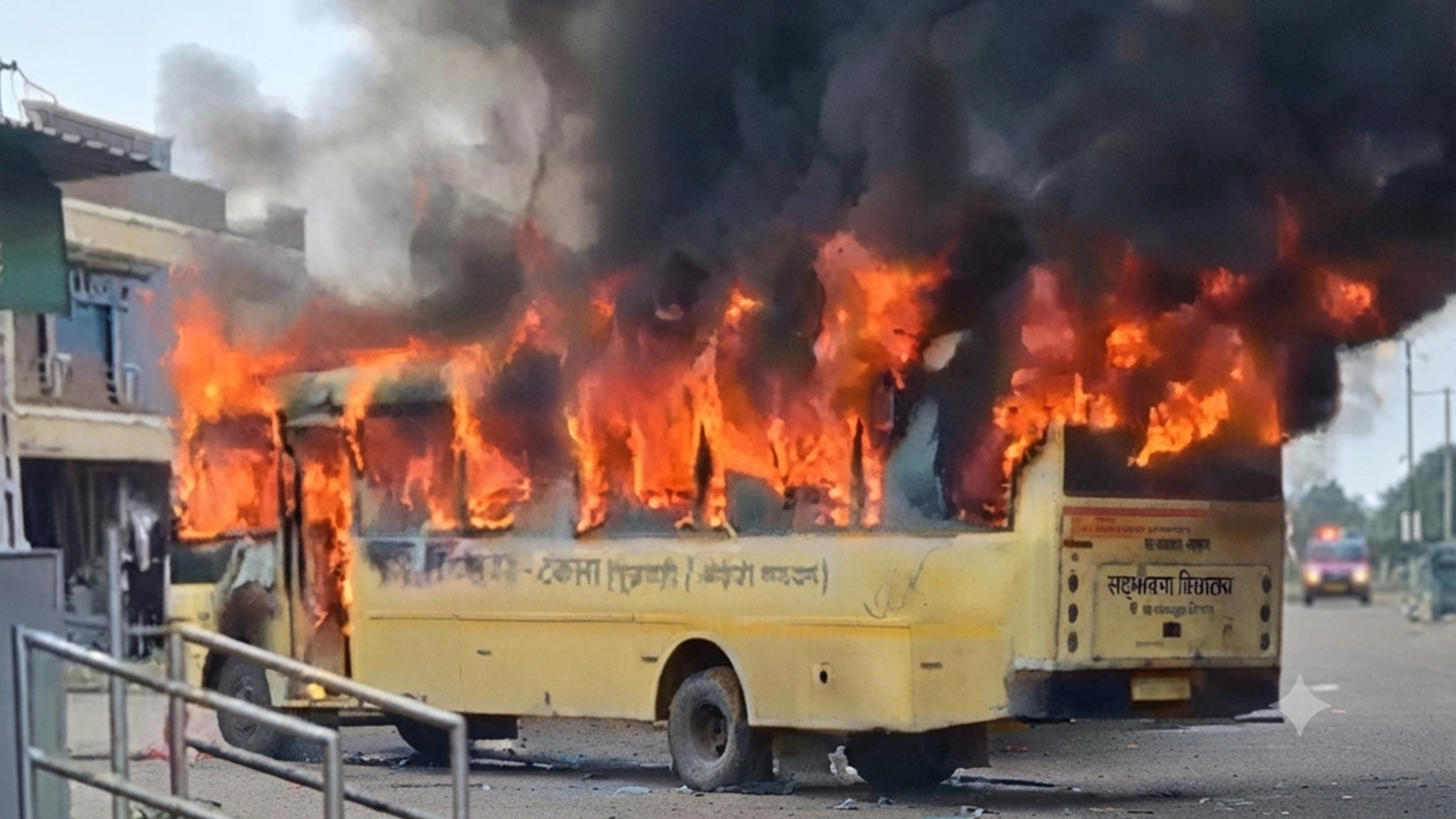
Forty schoolchildren in Gujarat's Morbi district were miraculously rescued from their burning school bus after its engine caught fire near Mitana village. Quick-thinking police personnel and the bus driver swiftly evacuated all children, aged five to eight, preventing any injuries in the dramatic incident. The prompt action averted a potential tragedy, highlighting the critical role of immediate response in emergencies.
- 40 schoolchildren safely rescued from a burning bus in Morbi, Gujarat.
- Police personnel and the bus driver acted swiftly to evacuate all children.
- The incident occurred near Mitana village; no injuries were reported.
- Fire tenders arrived late due to a 20 km distance from the nearest station.
In a heart-stopping incident that unfolded in Gujarat's Morbi district, a potential tragedy was averted through the heroic and swift actions of local police and a vigilant bus driver. All 40 schoolchildren on board a private school bus were safely rescued after the vehicle's engine suddenly caught fire near Mitana village in the Tankara area on Tuesday afternoon. Remarkably, no injuries were reported among the children, who ranged in age from five to eight years old.
The bus, belonging to Arya Vidyalayam, was transporting the students to Tankara town from their school when smoke began emanating from its engine around 1 pm. Within moments, the engine compartment was engulfed in flames, creating a perilous situation for the young passengers. The quick escalation of the fire underscored the immediate danger faced by the children and the urgency of the rescue operation.
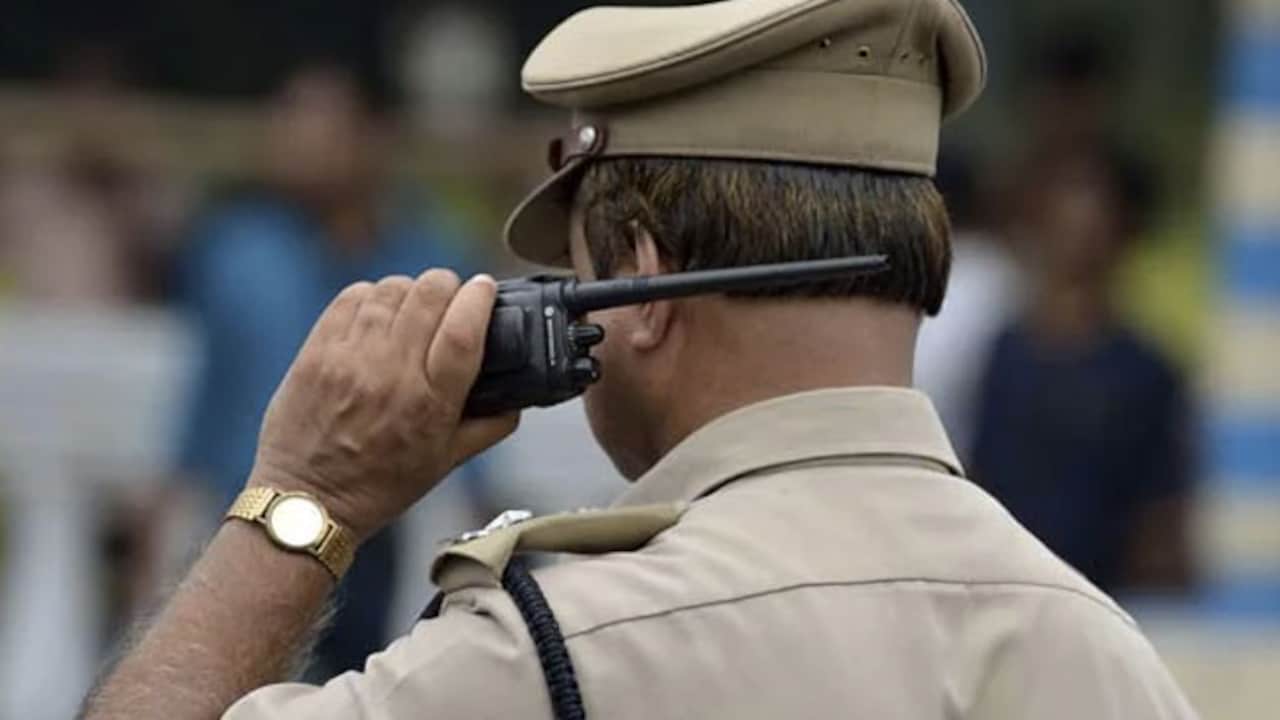
Fortuitously, a PCR (Police Control Room) van with four police personnel was stationed nearby and observed the unfolding crisis. Without hesitation, Head Constable Jayendrasinh Indubha, Constable Dashrathsinh Ghanshyamsinh, PCR van driver Divyesh Valji Bhalgamadiya, and GRD Jawan Himanshu Rajesh Sakariya, along with the bus driver, sprang into action. They immediately began evacuating the terrified children from the burning vehicle, prioritizing their safety above all else. Their initial attempts to douse the fire using extinguishers from both the bus and the PCR van proved insufficient against the rapidly spreading flames.
The geographical challenge posed a significant hurdle for emergency services. According to Morbi Chief Fire Officer (CFO) Devendrasinh Jadeja, the nearest fire station was located in Morbi city, approximately 20 kilometers away. Consequently, fire tenders could only reach the spot after the entire rescue operation had been successfully completed, further emphasizing the invaluable self-reliance and quick thinking displayed by the police and the bus driver.
Historical Background
India has unfortunately witnessed several incidents involving school bus safety, ranging from accidents due to poor maintenance to issues with overcrowding and lack of emergency preparedness. Regulatory bodies have often stressed the importance of stringent safety checks, regular maintenance, and mandatory emergency drills for school transport vehicles to prevent such occurrences and ensure the well-being of young passengers. This incident, while harrowing, serves as a testament to the fact that human intervention and quick reflexes can often bridge the gap where systemic responses might be delayed.
Why This Matters
This incident underscores the critical importance of robust emergency response mechanisms and vigilant community action, particularly concerning the safety of children. BozokMedia analysis shows that while tragic, such events often highlight systemic gaps in infrastructure, like the distance to emergency services, and the invaluable role of human courage and training in averting catastrophe. It serves as a stark reminder for transport authorities and school administrations to reinforce safety protocols and conduct regular emergency drills, ensuring every child's journey to and from school is as safe as possible.
"This incident is a powerful testament to the effectiveness of quick, decisive action by trained individuals, emphasizing the paramount need for regular emergency drills and well-maintained school transport infrastructure," said a leading safety expert.
Morbi SP Mulesh Patel publicly praised the efforts of all involved, specifically commending the named police personnel and the bus driver for their exemplary courage and quick thinking. Their collective efforts ensured that all 40 children were brought to safety without a single injury, transforming a potentially devastating scenario into a story of remarkable rescue.
The incident is a potent reminder for schools, parents, and transport operators about the critical need for proactive safety measures. Regular maintenance checks for school buses, comprehensive emergency training for drivers and attendants, and clear evacuation protocols are not just regulatory requirements but vital safeguards that can make the difference between life and death in a crisis. This successful rescue should inspire a renewed focus on school bus safety across the region.
Frequently Asked Questions
What are the key safety measures for school buses?
Key safety measures include regular vehicle maintenance, mandatory emergency exits, fire extinguishers, first-aid kits, trained drivers and attendants, and conducting periodic evacuation drills.
How can communities improve emergency response times in remote areas?
Improving response times in remote areas can involve establishing smaller, strategically located emergency substations, equipping local police or community volunteers with basic fire-fighting gear, and enhancing communication networks to quickly relay distress calls.