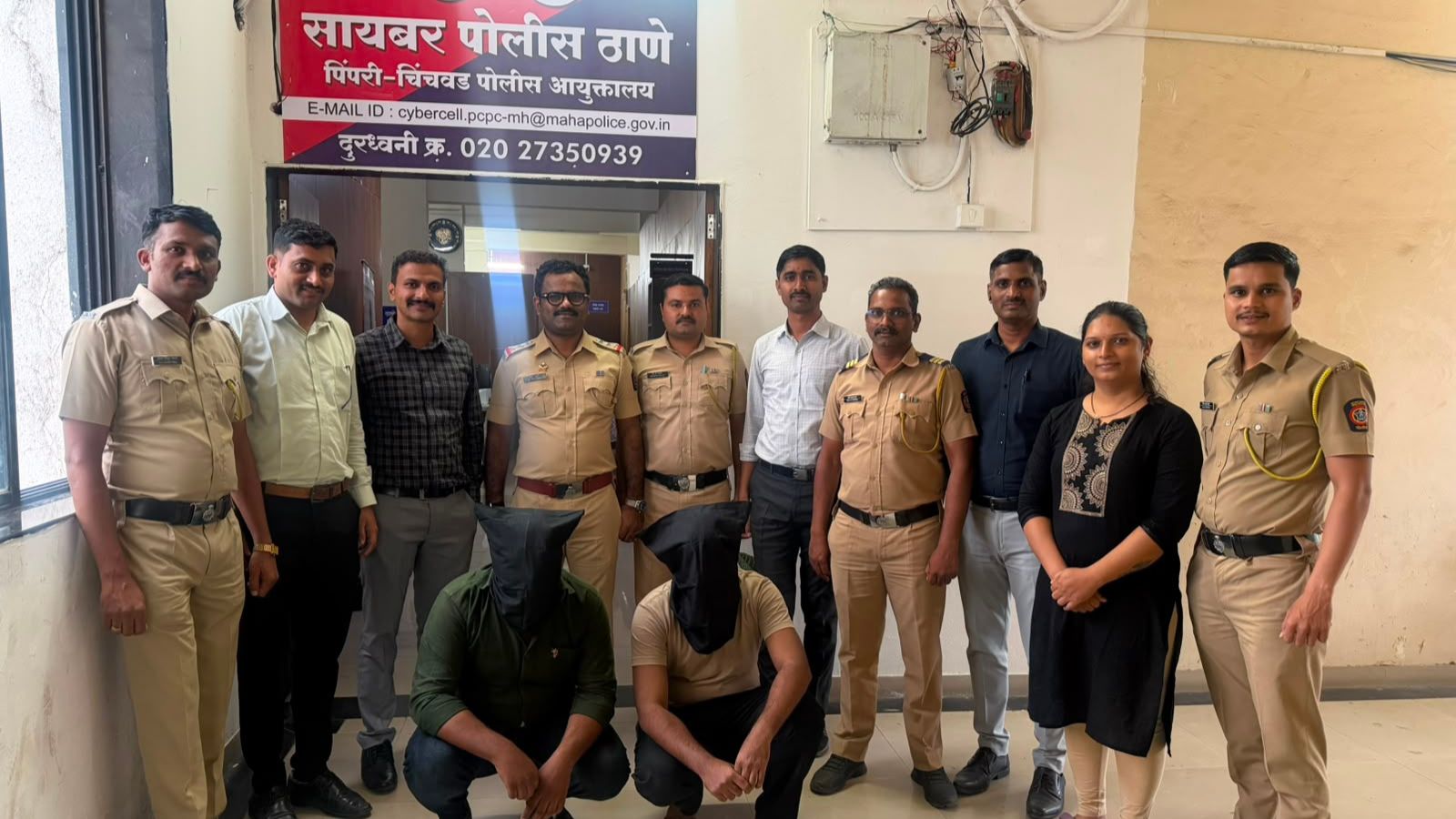
A medical dropout turned cybercriminal used connections forged behind bars to rebuild a sophisticated fraudulent network, defrauding a Pune resident of Rs 86 lakh.
- Pune police arrested Avinash 'Com King' Baklikar and Tejas Lokhande for an Rs 86 lakh share-trading scam.
- The suspects used 'mule accounts' belonging to former prison inmates to launder money.
- The investigation reveals a bridge between traditional physical criminals and high-tech cyber fraud.
- The network had suspected links to international cybercriminals in Nepal and China.
In a chilling revelation of how organized crime is evolving, the Pimpri-Chinchwad police have dismantled a cybercrime syndicate that utilized prison-forged friendships to operate. The arrest of Avinash Dnyanoba Baklikar, known alias 'Com King', and Tejas Dnyanoba Lokhande marks a significant turning point in understanding the intersection of physical and digital crime in Maharashtra.
The investigation was triggered by a complaint from a Pune resident who fell victim to a sophisticated share-market scam, losing Rs 86 lakh after being promised unrealistic financial returns. Tracing the money trail led investigators to Lokhande, a 24-year-old who had previously been in judicial custody for a kidnapping-extortion case. It was within the prison walls that Lokhande and Baklikar, a medical dropout, formed a partnership that would later power a digital fraud empire.
Why This Matters
BozokMedia analysis shows that the 'prison-to-cybercrime' pipeline is a growing threat to national security. Criminals are no longer just using stolen identities; they are actively recruiting 'mule account' holders from within the correctional system, creating a layer of insulation between the mastermind and the crime.
The convergence of traditional gang culture and high-tech cyber fraud creates a much more resilient and dangerous criminal architecture.
Upon their release, the duo reportedly contacted former inmates to secure bank accounts in their names. These 'mule accounts' were used to funnel stolen funds, making the money trail incredibly difficult to follow. Police have identified at least eight such accounts. Furthermore, the investigation revealed a move toward professionalization, with accounts opened under the names of a construction company and a private limited firm to mask the illegal transactions.
Baklikar's history is particularly concerning. Arrested previously in 2024 for a Rs 61 lakh fraud, he was linked to international cybercrime networks. Investigators believe he used cryptocurrency to transfer funds to criminals in Nepal and China and had even attended criminal summits in Kathmandu. This suggests that the Pune-based operation was part of a much larger, globalized criminal ecosystem.
Historical Background
Historically, cybercrime was often the domain of solitary hackers. However, the last decade has seen a shift toward 'Cybercrime-as-a-Service' (CaaS), where organized crime groups provide the infrastructure—such as mule accounts and laundering services—for smaller actors to execute large-scale frauds.
Frequently Asked Questions
Question 1: What is a 'mule account' in the context of cybercrime?
Answer: A mule account is a bank account used by criminals to receive and transfer illegally obtained money, often held in the name of an unsuspecting or coerced individual to hide the true perpetrator's identity.
Question 2: How did the suspects meet?
Answer: The suspects, Baklikar and Lokhande, met while serving time in prison for unrelated criminal offenses.
