The West Bengal State Consumer Commission has ordered a hospital to refund ₹2 lakh to a patient after finding they billed for ICCU services while the patient was in a general ward. The ruling also penalizes the hospital for denying Swasthya Sathi benefits.
- Hospital ordered to refund ₹2 lakh, pay ₹50,000 compensation, and ₹25,000 in litigation costs.
- Charging for ICCU beds while providing general ward accommodation ruled as 'unfair trade practice'.
- Denial of Swasthya Sathi card benefits identified as a deficiency in service.
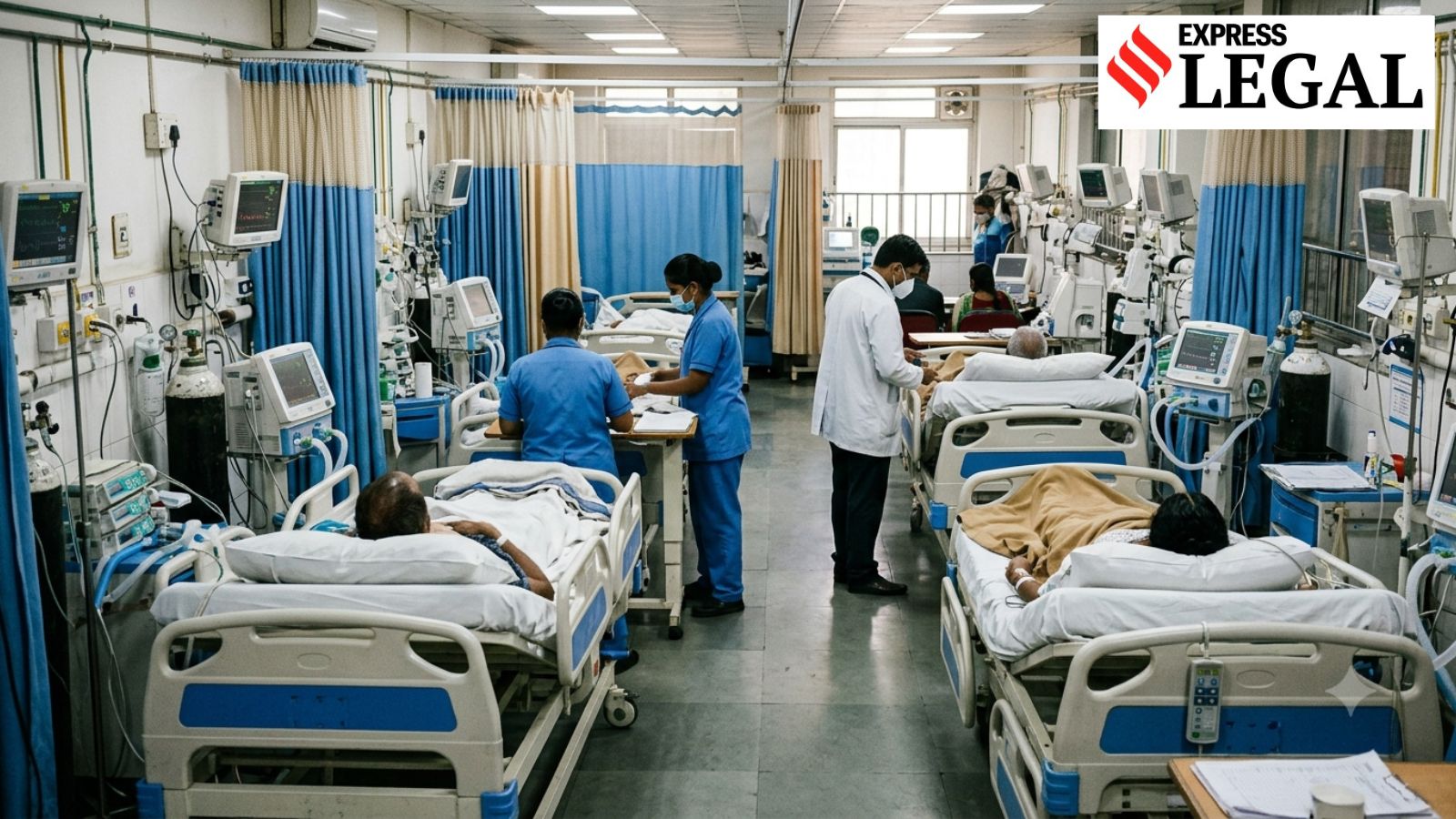
In a significant ruling for patient rights, the West Bengal State Consumer Disputes Redressal Commission has ordered a 'Swasthya Sathi'-empanelled hospital to refund ₹2 lakh to a patient. The commission discovered a major discrepancy where the hospital billed for an Intensive Care Unit (ICCU) bed despite the patient being accommodated in a standard general ward.
The case involves Anindya Chakraborty, who was admitted to Ispat Cooperative Hospital in May 2021 during the peak of the COVID-19 pandemic. According to the complaint, the hospital refused to honor his valid Swasthya Sathi card, forcing his family to pay out-of-pocket. Furthermore, the final invoice included heavy ICCU charges that did not align with the actual bed occupied by the patient.
Why This Matters
BozokMedia analysis shows that this verdict sets a critical precedent for medical billing transparency in India. During public health crises, hospitals often face scrutiny regarding the conversion of wards and billing practices. This ruling clarifies that medical institutions cannot use 'clerical errors' or 'pandemic exigencies' as a shield to mask unfair billing practices.
Hospitals are legally obligated to ensure that their billing is a precise reflection of the actual medical services and facilities provided to the patient.
The State Commission, led by President Justice Bibhas Ranjan De and member Mridula Roy, scrutinized the discharge summary against the final invoice. They found a "stark and troubling contradiction" between the two documents. While the hospital argued that general wards were converted into ICU units during the pandemic, the commission dismissed this as mere "conjecture and assumption" due to a lack of documentary evidence.
Historical Background
Under the Consumer Protection Act, 2019, medical services fall under the ambit of consumer rights. The Swasthya Sathi scheme is a flagship health insurance initiative in West Bengal. The legal debate often arises regarding whether a beneficiary of a government-funded scheme qualifies as a 'consumer'; however, this commission has firmly established that since the government pays the provider, a consumer-provider relationship exists.
| Feature | Hospital's Defense | Commission's Verdict |
|---|---|---|
| Bed Type | Converted ICU during COVID | General Ward Bed |
| Swasthya Sathi Card | No formal protest lodged | Deficiency in service confirmed |
| Billing Discrepancy | Inadvertent clerical error | Unfair Trade Practice |
Frequently Asked Questions
1. What constitutes 'unfair trade practice' in this case?
Levying charges for high-end medical facilities (like ICCU) when the patient was actually provided basic facilities (like a general ward) constitutes unfair trade practice.
2. Can a hospital refuse a Swasthya Sathi card?
No, empanelled hospitals are legally required to honor the card. Refusal is considered a deficiency in service.