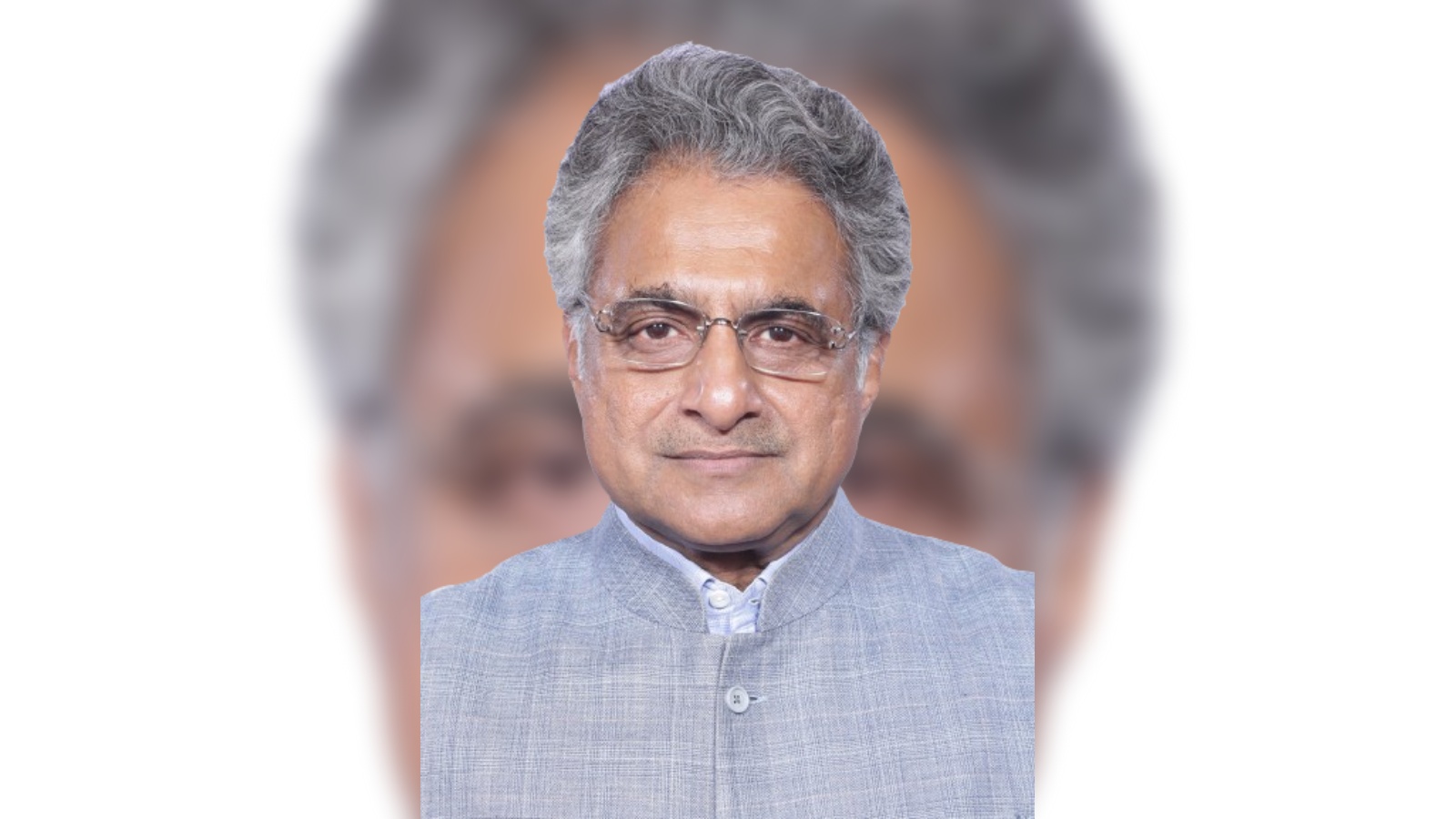
The Delhi High Court has quashed criminal defamation proceedings against former BJD MP and senior advocate Pinaki Misra, citing a lack of sufficient material to sustain the charges.
- The Delhi High Court has dismissed criminal defamation charges against Pinaki Misra.
- Justice Swarana Kanta Sharma ruled that continuing the trial would not serve the cause of justice.
- The court found no independent evidence to prove the alleged defamatory remarks.
In a significant legal development, the Delhi High Court on Tuesday quashed the criminal defamation proceedings against former Biju Janata Dal (BJD) Lok Sabha MP and senior advocate Pinaki Misra. Justice Swarana Kanta Sharma observed that there was insufficient foundational material to sustain the case, noting that forcing Misra to undergo a criminal trial would be an undue hardship without legal merit.
The legal battle traces back to August 2018, when advocate Siddhartha Singh accused Misra of professional misconduct before the Bar Council of Delhi. Singh alleged that Misra had taken contradictory positions regarding e-waste rules—first before a parliamentary committee and later while representing power distribution companies at the National Green Tribunal. In response to these allegations, Misra denied any wrongdoing and referred to Singh as a "crook" and "blackmailer."
Historical Background
Following these remarks, Singh filed two criminal complaints in 2019 in a magistrate court at Patiala House, seeking defamation proceedings. The magistrate court had subsequently summoned Misra to stand trial in April 2019, setting off a multi-year legal struggle regarding the boundaries of professional discourse and personal reputation.
Why This Matters
BozokMedia analysis shows that this ruling reinforces the high threshold required to initiate criminal defamation proceedings in India. It highlights the judiciary's stance against using criminal law to settle professional or personal disputes where the evidence of reputational harm is purely anecdotal or unsubstantiated.
The court emphasized that a bare assertion of reputational harm, without independent corroboration, does not meet the legal threshold for criminal proceedings.
The court specifically pointed out that during the pre-summoning evidence stage, Singh had examined only himself as a witness. Furthermore, the case relied heavily on an online report by Dailyhunt. However, Misra had vehemently denied giving such an interview and had even sought a published clarification from the Odisha Post in March 2019 to clear his name.
Justice Sharma further noted a procedural lapse: the magistrate had failed to examine the publication or the reporter involved. Had this step been taken, it might have established whether Misra actually made the statements in question. In the absence of such independent material, the court found no grounds to proceed.
Frequently Asked Questions
1. What was the primary reason for quashing the case?
The court found that there was no independent material or third-party testimony to prove that the alleged remarks actually lowered the complainant's reputation.
2. Who brought the defamation charges against Pinaki Misra?
The charges were brought by advocate Siddhartha Singh following a dispute regarding allegations of professional misconduct.