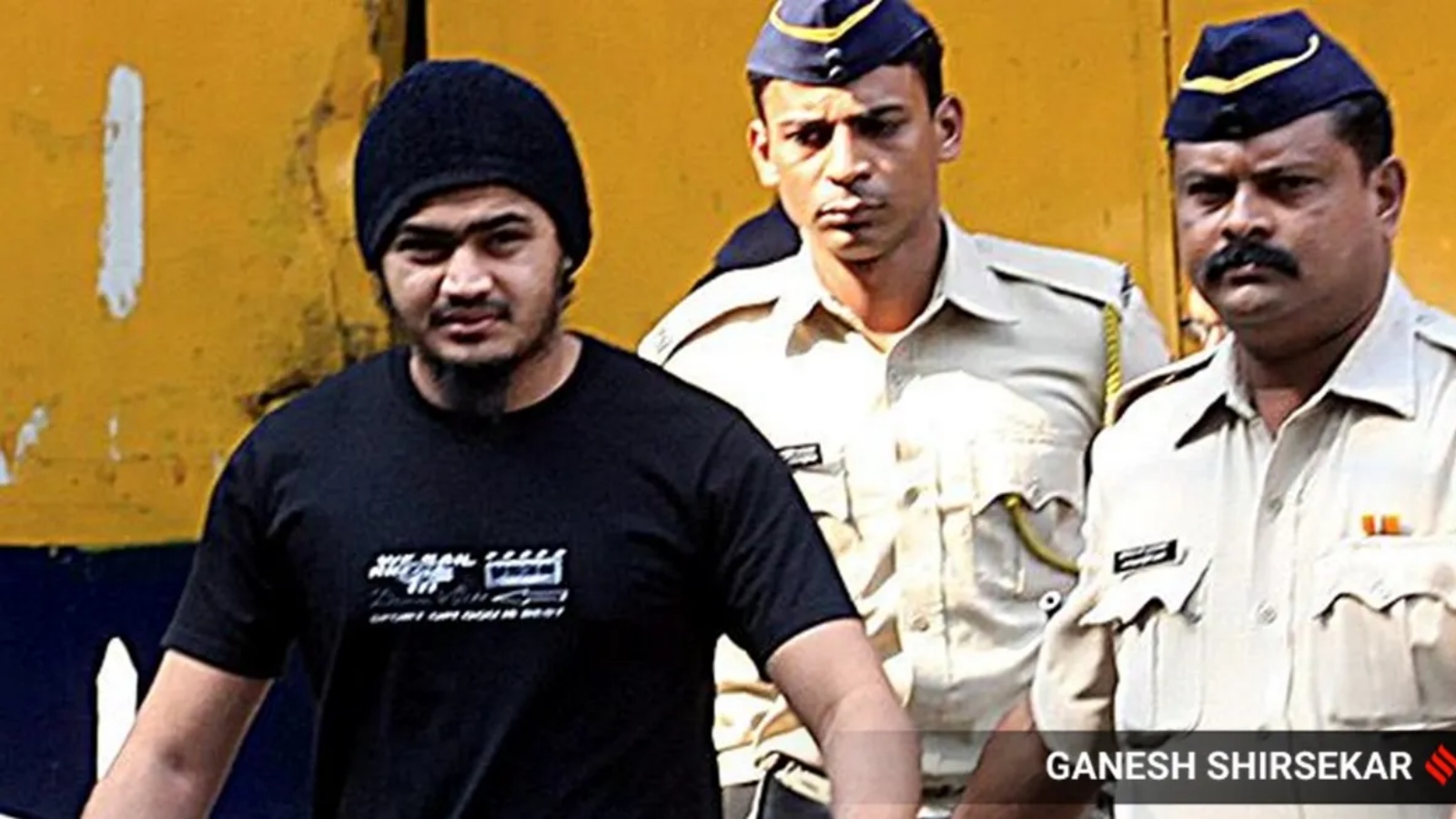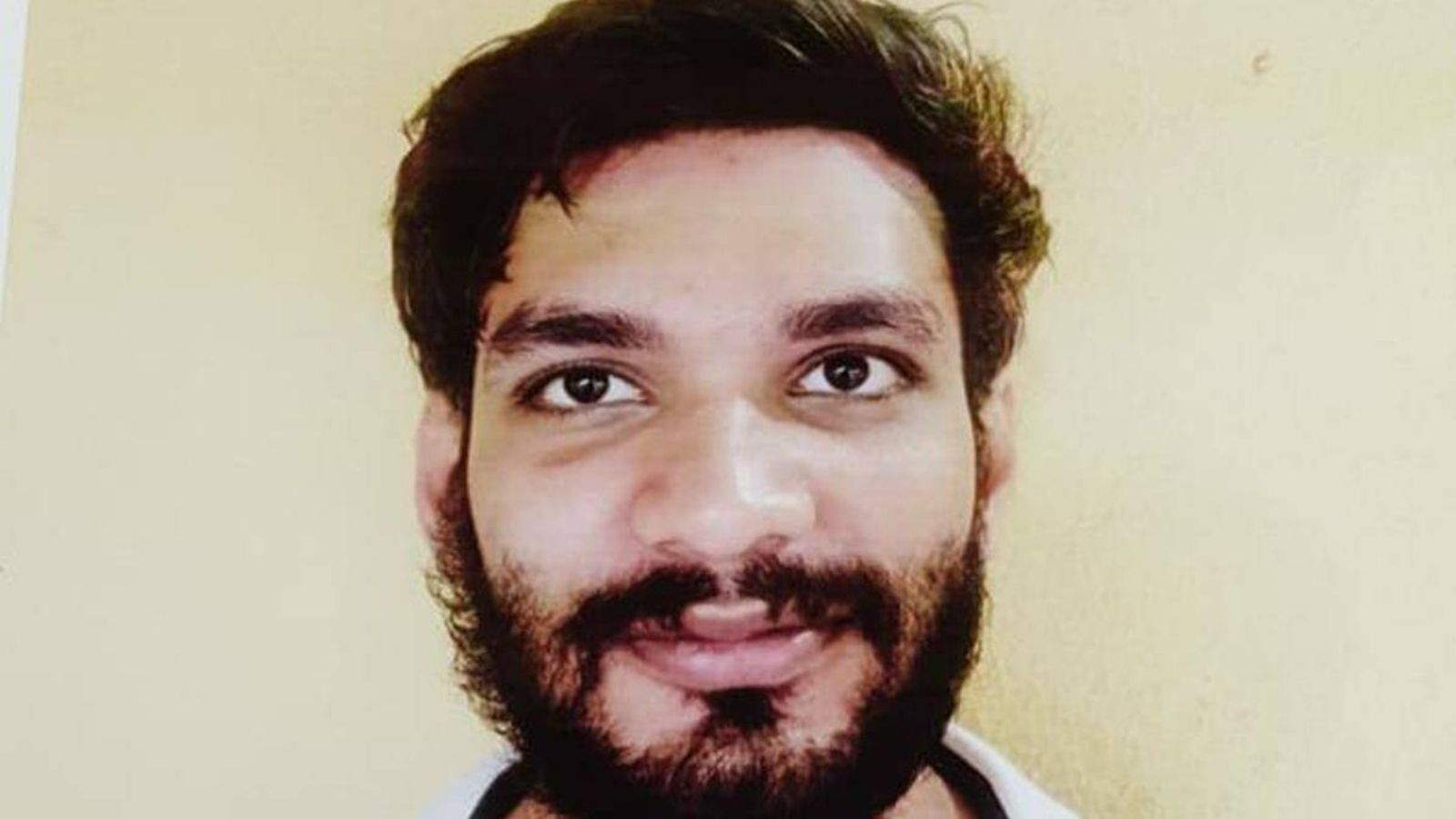
A special PMLA court has rejected the bail pleas of Bengaluru hacker Srikrishna Ramesh (Sriki) and his accountant, following ED evidence of a massive ₹288 crore money laundering scheme.
- Special PMLA court rejected bail for hacker Sriki and accountant Robin Khandelwal.
- Enforcement Directorate (ED) identified ₹288.96 crore in alleged proceeds of crime.
- The scheme involved hacking crypto exchanges, gaming sites, and government portals.
In a significant crackdown on high-tech financial crime, a special court for money-laundering cases has rejected the bail pleas of Srikrishna Ramesh, alias Sriki, and his accountant Robin Khandelwal. The court noted that the scale of the alleged corruption nexus, involving police and political connections, is staggering.
The Enforcement Directorate (ED) has quantified the alleged proceeds of crime at approximately ₹288,96,54,677. According to the court's August 27 order, the investigation reveals a sophisticated operation where hacking activities were used to amass vast wealth, which was then laundered through complex digital channels.
Why This Matters
BozokMedia analysis shows that this case highlights the evolving landscape of cyber-enabled financial crime. The use of advanced obfuscation technologies like 'mixers' and 'CoinJoin' demonstrates how criminals are attempting to stay ahead of traditional regulatory frameworks by exploiting the pseudonymity of virtual digital assets.
The intersection of high-level hacking and cryptocurrency laundering represents a new frontier of organized crime that challenges global financial security.
The prosecution's evidence suggests that Sriki targeted high-value assets, including cryptocurrency exchanges, poker and gaming websites, and even state e-tender portals. The court emphasized that the role attributed to the petitioner was neither peripheral nor incidental, but central to the generation and concealment of these funds.
Furthermore, the ED alleged that the laundered money was utilized for luxury expenditures, online gambling, and travel. Even though the accused argued that no cash was recovered from his physical possession, the court ruled that the nature of virtual digital assets makes such an argument insufficient to dismiss the case.
The legal saga also involves political implications, as the investigation has touched upon associates linked to prominent political families in Bengaluru. The court noted that Sriki had continued his illegal activities even after a previous arrest by the Bengaluru police in 2020.
Frequently Asked Questions
1. What was the primary method used by the hacker?
The hacker allegedly targeted cryptocurrency exchanges, gaming platforms, and government e-procurement portals to steal funds.
2. Why did the court reject the bail plea?
The court cited the massive scale of the crime (over ₹288 crore) and the strong prima facie evidence provided by the ED regarding the generation and laundering of digital assets.