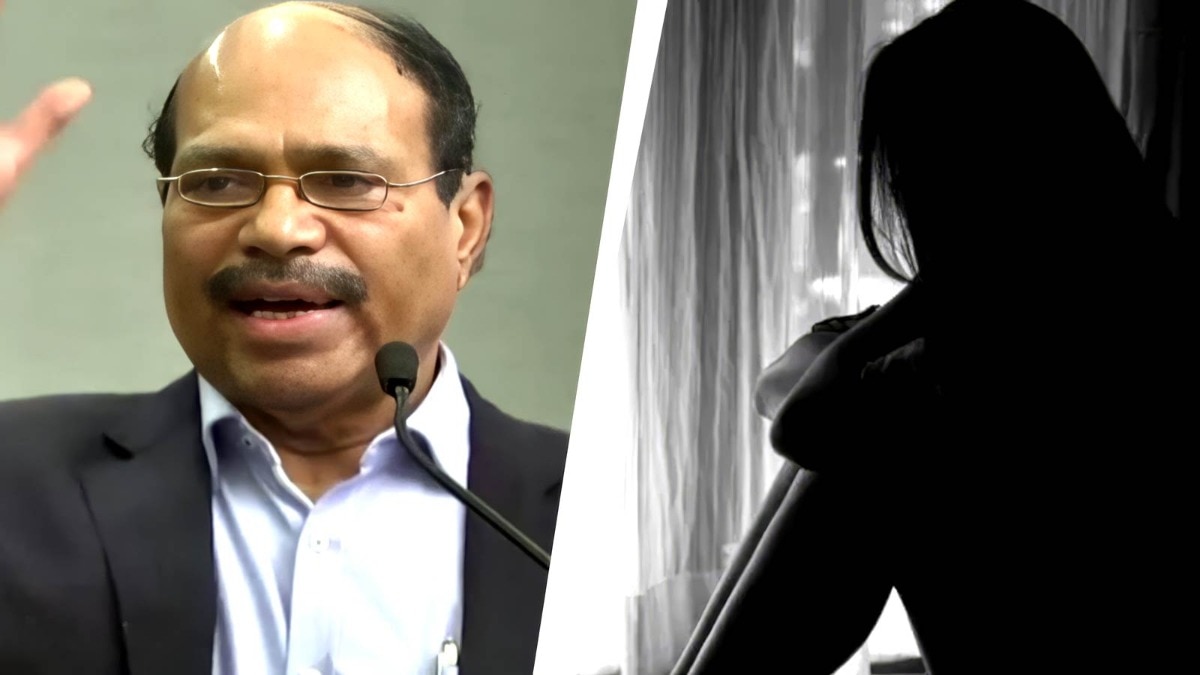
Supreme Court Judge Justice B.V. Nagarathna stated that it is a troubling sign for the legal profession if Bar Councils lose the respect of their members. Her comments follow the recent controversy involving BCI's attempt to restrict NALSAR graduates.
- Justice Nagarathna emphasized that Bar Councils must uphold professional ethics to maintain respect.
- The remarks follow BCI's failed attempt to restrict NALSAR 2026 batch enrollment.
- The judge highlighted lawyers as vital 'safety valves' of democracy.
New Delhi: Supreme Court Judge Justice B.V. Nagarathna has issued a profound warning, stating that it is not a positive sign for the legal profession if a Bar Council—whether at the Central or State level—loses the respect of its own members. Speaking at the 13th convocation of National Law University (NLU) Delhi on Saturday, she underscored the critical need for institutional integrity.
The NALSAR Controversy Context
Justice Nagarathna’s remarks carry significant weight following the recent uproar within the legal fraternity. The Bar Council of India (BCI) and its chairperson, senior advocate Manan Kumar Mishra, faced intense backlash after an aborted attempt to restrict the professional enrollment of the 2026 graduating batch from NALSAR. The friction arose when students protested against certain remarks made by Chief Justice of India Surya Kant during a previous court session.
Notably, even CJI Surya Kant expressed strong disapproval of the BCI's actions, labeling their intervention as "unwarranted interference" and defending the students' right to protest.
Why This Matters: BozokMedia Analysis
BozokMedia analysis shows that this tension highlights a growing rift between legal regulators and the practicing bar. When a regulatory body attempts to penalize students or professionals for exercising democratic rights, it undermines the very autonomy that the legal profession is built upon. The stability of the judiciary relies on the trust between the bench, the bar, and the regulatory institutions.
The independence of the Bar exists because a constitutional democracy requires professionals who can challenge the State without permission.
Addressing the graduates, Justice Nagarathna remarked that the legal profession is a "liberal pursuit" in the truest sense. She emphasized that institutions like courts and law schools must remain spaces where disagreements are handled with civilized implications rather than punitive measures.
Adaptability in the 21st Century
The judge also urged the new generation of lawyers to remain adaptable. In an era defined by rapid technological shifts, environmental crises, and geopolitical upheavals, she noted that legal professionals must do more than just study statutes; they must understand the changing fabric of society to effectively serve as the "safety valves" of democracy.
Frequently Asked Questions
1. Why did the BCI face criticism regarding NALSAR?
The BCI attempted to restrict the professional enrollment of NALSAR's 2026 batch following student protests, which many viewed as an overreach of power.
2. What was Justice Nagarathna's main message?
She urged Bar Councils to introspect on their roles and stressed that maintaining the respect of members is essential for the profession's health.