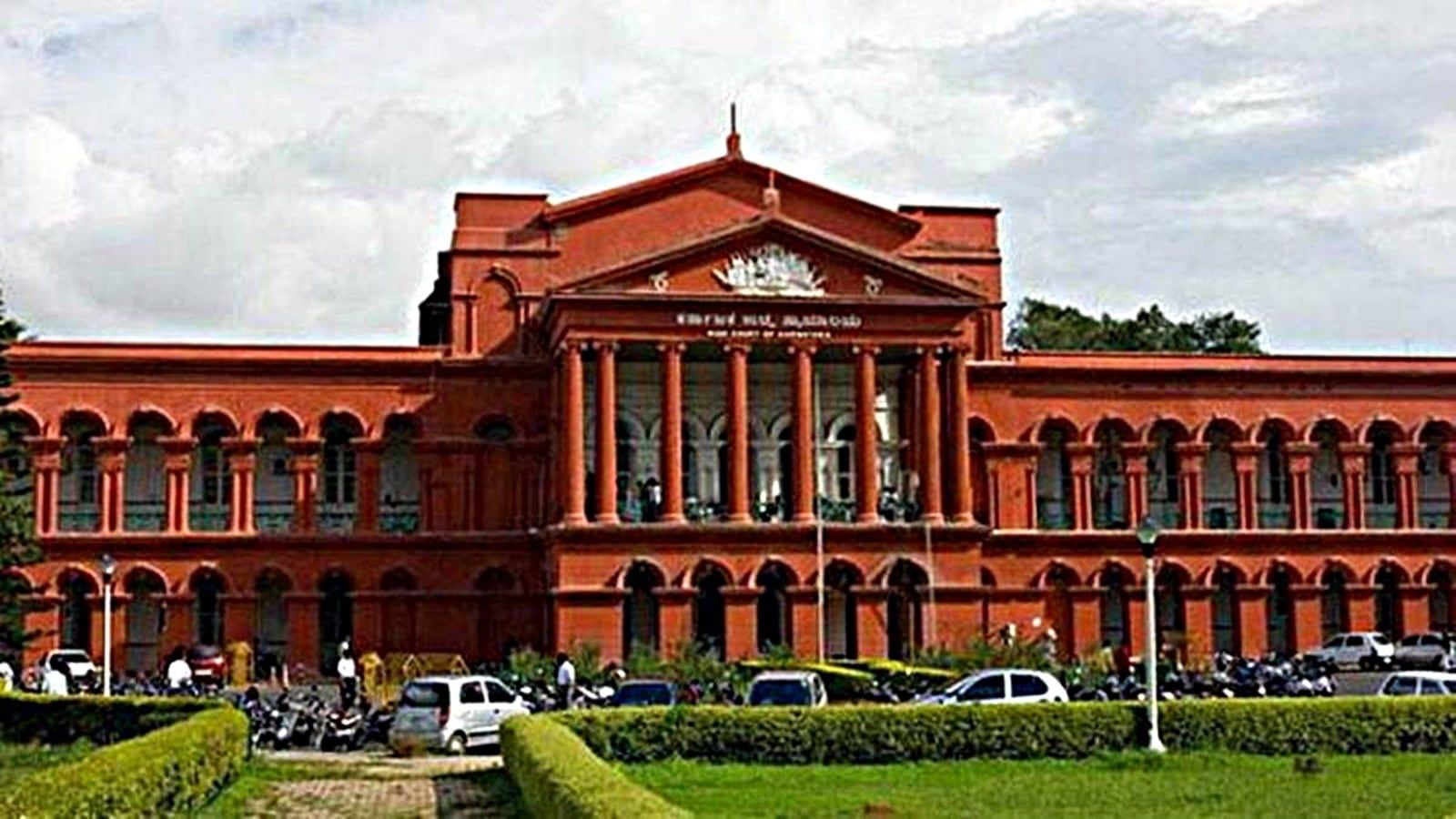
The Karnataka High Court has declined to quash the Surfing Federation of India's decision regarding Ramesh Budihal's selection for the Asian Games, while simultaneously condemning the federation's flawed selection process.
- The Karnataka High Court refused to grant relief to petitioner Ramesh Budihal.
- Justice Suraj Govindaraj criticized the Surfing Federation of India (SFI) for an 'illegal' selection process.
- A one-man inquiry committee led by retired Supreme Court Judge R V Raveendran has been formed to investigate.
Bengaluru: In a significant ruling, the Karnataka High Court on Saturday refused to quash the decision of the Surfing Federation of India (SFI) to name Ramesh Budihal as the first reserve for the men's surfing event at the upcoming Asian Games in Japan. While the court denied the petitioner's prayer, it issued a stern reprimand to the federation regarding its administrative conduct.
The Core of the Controversy
The dispute arose following the SFI Executive Council's decision on June 23 to select Sivaraj Babu to represent India. Ramesh Budihal, a 25-year-old medalist who secured Bronze at the 2025 Asian Surfing Championship, challenged this decision. Budihal argued that the Asian Games represent a once-in-a-lifetime opportunity and that an improper selection process would render years of rigorous training futile.
The legal battle highlighted a breakdown in the federation's internal mechanisms. An earlier appeal by Budihal had led a panel to direct the SFI to form a special selection committee to evaluate athletes objectively. However, during the committee meetings on June 20-21, a deadlock occurred as members voted equally for both Budihal and Babu. Faced with a looming deadline of June 26, the SFI Executive Council bypassed the deadlock by making an 'executive call' based on past performance.
Why This Matters
BozokMedia analysis shows that this case underscores a systemic issue within Indian sports governance: the tension between administrative deadlines and fair, meritocratic selection. When governing bodies prioritize procedural speed over transparent evaluation, it risks disenfranchising elite athletes and damaging the integrity of national representation.
"This court places on record its disapproval of the manner in which SFI conducted the fresh selection process and makes it clear that SFI... is required to act strictly in accordance with law."
The Indian Olympic Association (IOA) informed the court that the final list of participants had already been uploaded to the Olympic Council of Asia portal, making any immediate changes practically impossible. Justice Suraj Govindaraj noted that with the games set to begin on September 19, judicial intervention at this stage could not alter the roster.
Historical Background
Selection disputes in Indian sports federations are a recurring theme in the Indian judicial system. From wrestling to athletics, athletes frequently seek legal recourse when selection policies are perceived to be applied inconsistently or when governing bodies fail to follow their own established protocols.
Inquiry and Accountability
To prevent a recurrence of such 'infirmities,' the High Court has appointed former Supreme Court Judge R V Raveendran to head a one-man inquiry committee. The scope of this inquiry includes the conduct of the SFI Executive Council and the special selection committee. The findings are expected to be submitted to the court by February 2027.
Frequently Asked Questions
1. Why couldn't the court change the selection list?
The court noted that the names had already been submitted to the Olympic Council of Asia portal, and with the games commencing shortly, no practical relief could be granted.
2. What is the purpose of the R V Raveendran inquiry?
The inquiry aims to investigate why the SFI did not follow its own selection policies and the appeal panel's directions, ensuring future accountability.