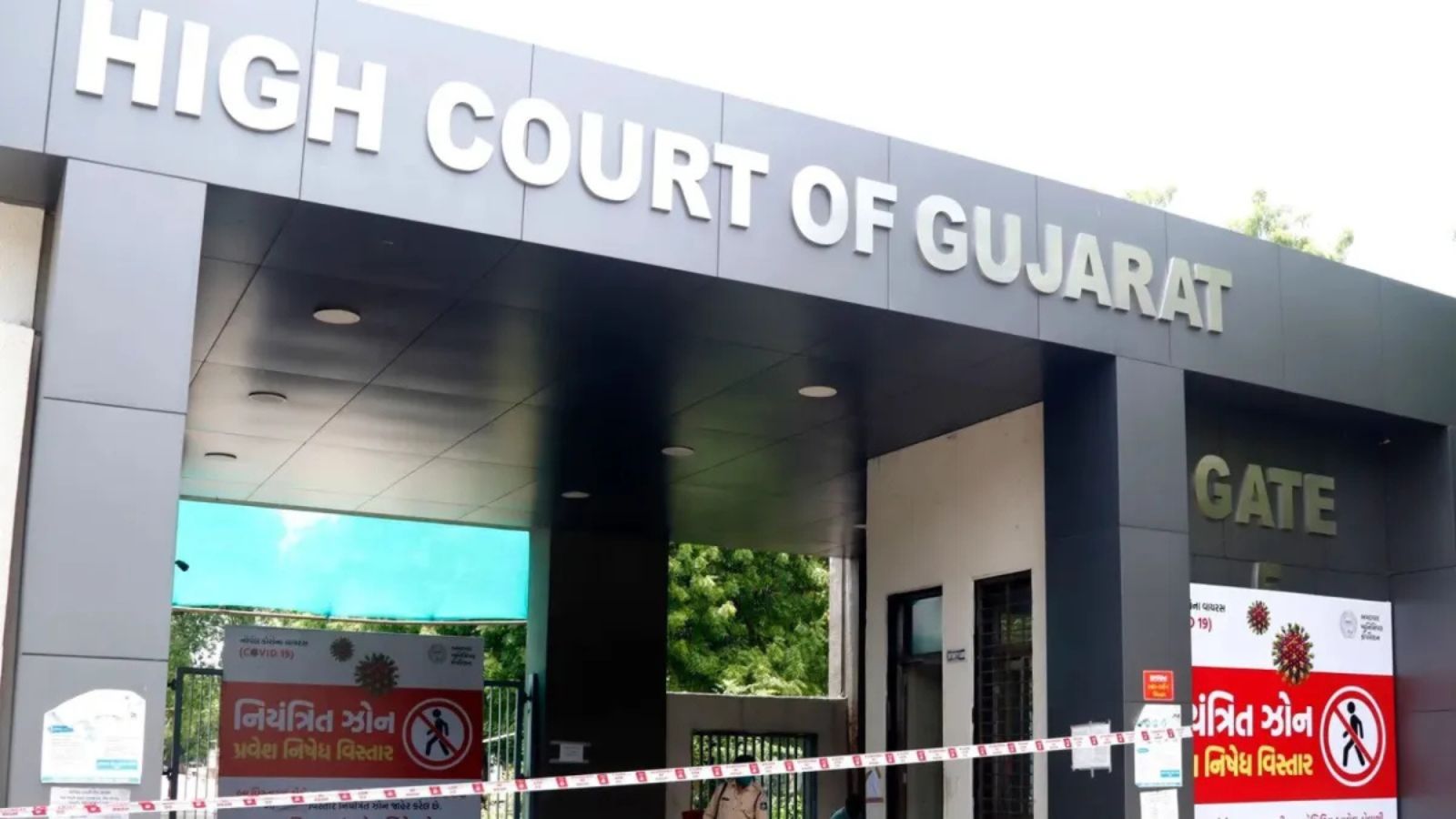
The Gujarat High Court has quashed criminal proceedings against the in-laws of a Canadian woman, ruling that mere allegations of conspiracy cannot be used to implicate family members in a marriage-for-citizenship dispute.
- Gujarat High Court quashed FIR against the mother-in-law and brother-in-law of a Canadian woman.
- The court ruled that allegations of criminal conspiracy must be backed by evidence, not just 'bare statements.'
- The case involved allegations that the husband married the woman solely to obtain Canadian and US citizenship.
In a significant legal development, the Gujarat High Court has provided relief to an Anand-based family by quashing criminal proceedings initiated against them in 2017. The case, which centered on allegations of marriage being used as a mere tool to secure Canadian citizenship, saw the court drawing a sharp line between the actions of a spouse and the liability of their relatives.
The prosecution had alleged that the husband fraudulently married the Canadian national in March 2013 with the sole intent of migrating to Canada and subsequently the United States. Following their divorce in 2016, the complainant sought to implicate the husband's mother and brother, alleging they were part of a criminal conspiracy and breach of trust.
Why This Matters
BozokMedia analysis shows that this judgment serves as a crucial precedent in matrimonial litigation. It prevents the common practice of 'dragging in' entire families during divorce or fraud disputes, ensuring that criminal law is not used as a tool for harassment in personal matters.
The court's distinction between 'cheating' and 'criminal breach of trust' reinforces the necessity of specific evidence in high-stakes matrimonial fraud cases.
Presiding Justice PM Raval observed that the FIR lacked any specific role attributed to the petitioners. The court noted that for a charge of criminal breach of trust to stand, there must be an 'entrustment of property,' which was entirely absent in this case. Furthermore, regarding the conspiracy charge, the judge remarked that the chargesheet contained nothing more than 'bare statements' without concrete evidence of a shared criminal intent.
While the court acknowledged the observations made by an Ontario Superior Court—which suggested the husband utilized the marriage for immigration purposes—it clarified that these findings do not automatically extend criminal liability to the husband's relatives. The court held that continuing the prosecution against the mother-in-law and brother-in-law would constitute an "abuse of the process of law."
Historical Background
Cases involving 'marriages of convenience' for immigration purposes have become increasingly complex in the globalized era. Indian courts have frequently had to navigate the thin line between legitimate matrimonial disputes and organized immigration fraud, often balancing the rights of foreign nationals with the protection of Indian citizens from undue legal harassment.
Frequently Asked Questions
1. Does this verdict clear the husband of all charges?
No. The court explicitly stated that its observations regarding the in-laws do not bind or affect the ongoing case against the husband himself.
2. Why was the case against the father-in-law closed?
The case against the father-in-law stood abated because he passed away in October 2025, as confirmed by a death certificate.