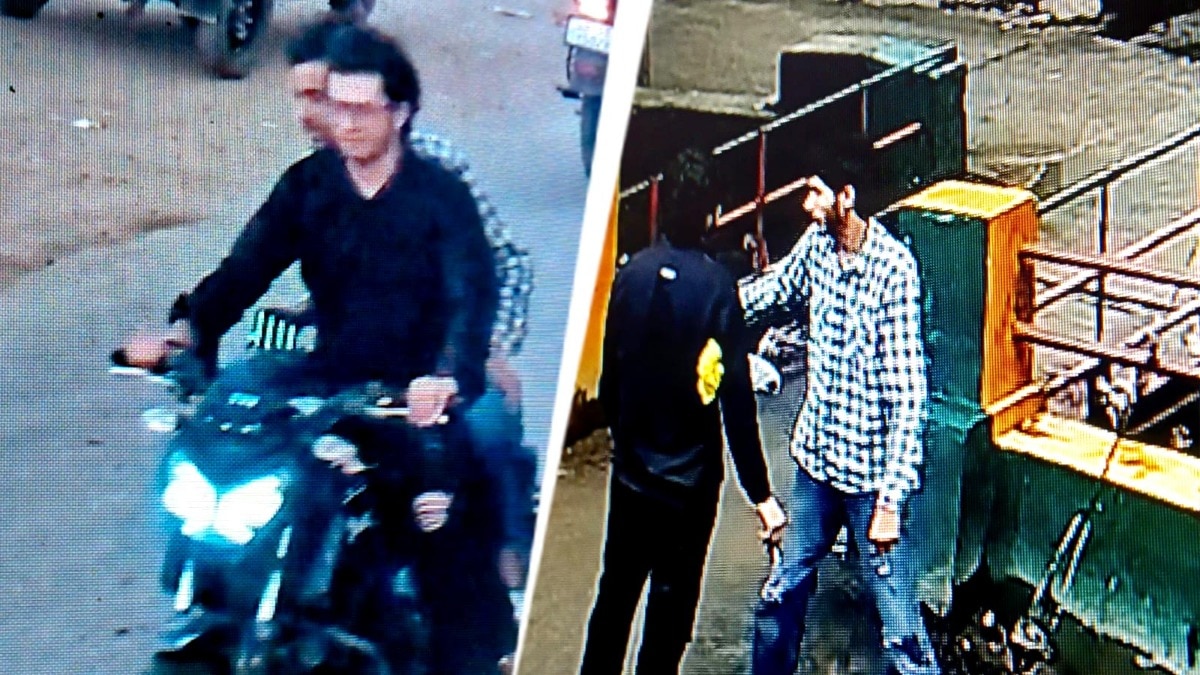
Mumbai police successfully tracked down and arrested two individuals in Rajasthan following an eight-day manhunt for a ₹17.65 lakh chemical fraud involving fake payment proofs.
- Mumbai businessman defrauded of ₹17.65 lakh via fake payment screenshots.
- Two suspects, Lalit and Vikas Bishnoi, arrested in Jodhpur, Rajasthan.
- Accused used fake identities including 'Shree Ramdev Industries'.
- Criminal network spans Maharashtra, Gujarat, Delhi, and Haryana.
In a significant breakthrough, Mumbai Police have arrested two men from Rajasthan for allegedly cheating a prominent chemical manufacturer of ₹17.65 lakh. The culprits utilized sophisticated methods, including fake digital payment screenshots and fraudulent corporate identities, to deceive the victim over several transactions.
The Anatomy of the Scam
According to DCP Zone 11, Sandip Ghuge, the complainant, Nirmit Sanjay Ajmera (32) of 'Premier Solvents', received orders for ethyl acetate via WhatsApp. The perpetrators established credibility by presenting a fake visiting card and letterhead for a non-existent entity called 'Shree Ramdev Industries'. To solidify the deception, they even produced forged Aadhaar and PAN cards. After placing multiple orders, the accused sent fraudulent payment screenshots and Unique Transaction Reference (UTR) numbers, leading the victim to believe the funds had been transferred.
Intensive Police Operation
The MHB Police crime branch traced the fraudulent SIM cards to Rajasthan. Working in close coordination with the Jodhpur East Deputy Commissioner of Police and the Jodhpur Cyber Team, investigators identified the primary suspect as Lalit Kumar Bishnoi. After an intense eight-day pursuit across multiple locations, police successfully cornered and arrested Bishnoi at Mandore, Jodhpur. His accomplice, Vikas Bishnoi (19), was subsequently apprehended after Lalit confessed to his involvement.
The use of fake UTR numbers and screenshots represents a growing trend in B2B cyber fraud that bypasses traditional verification.
Why This Matters
BozokMedia analysis shows that this isn't an isolated incident but part of a larger, organized criminal enterprise. The investigation revealed that the duo was in the process of creating another fake entity, 'Shyam Industries', and was targeting dozens of chemical companies across various Indian states. This highlights the increasing vulnerability of B2B transactions in the digital-first economy.
Historical Background: The Rise of B2B Digital Fraud
Historically, fraud was often person-to-person. However, with the rapid digitization of Indian commerce, criminals have pivoted to B2B (Business-to-Business) scams. By mimicking legitimate corporate structures and using high-quality forged documents, they can execute high-value frauds that often go undetected for weeks or months.
Frequently Asked Questions
1. How did the criminals convince the businessman?
They used a combination of fake corporate letterheads, forged identity documents, and manipulated payment screenshots to create a facade of legitimacy.
2. Where else has this gang operated?
Preliminary investigations suggest the gang has committed similar frauds in Maharashtra, Gujarat, Delhi, and Haryana.