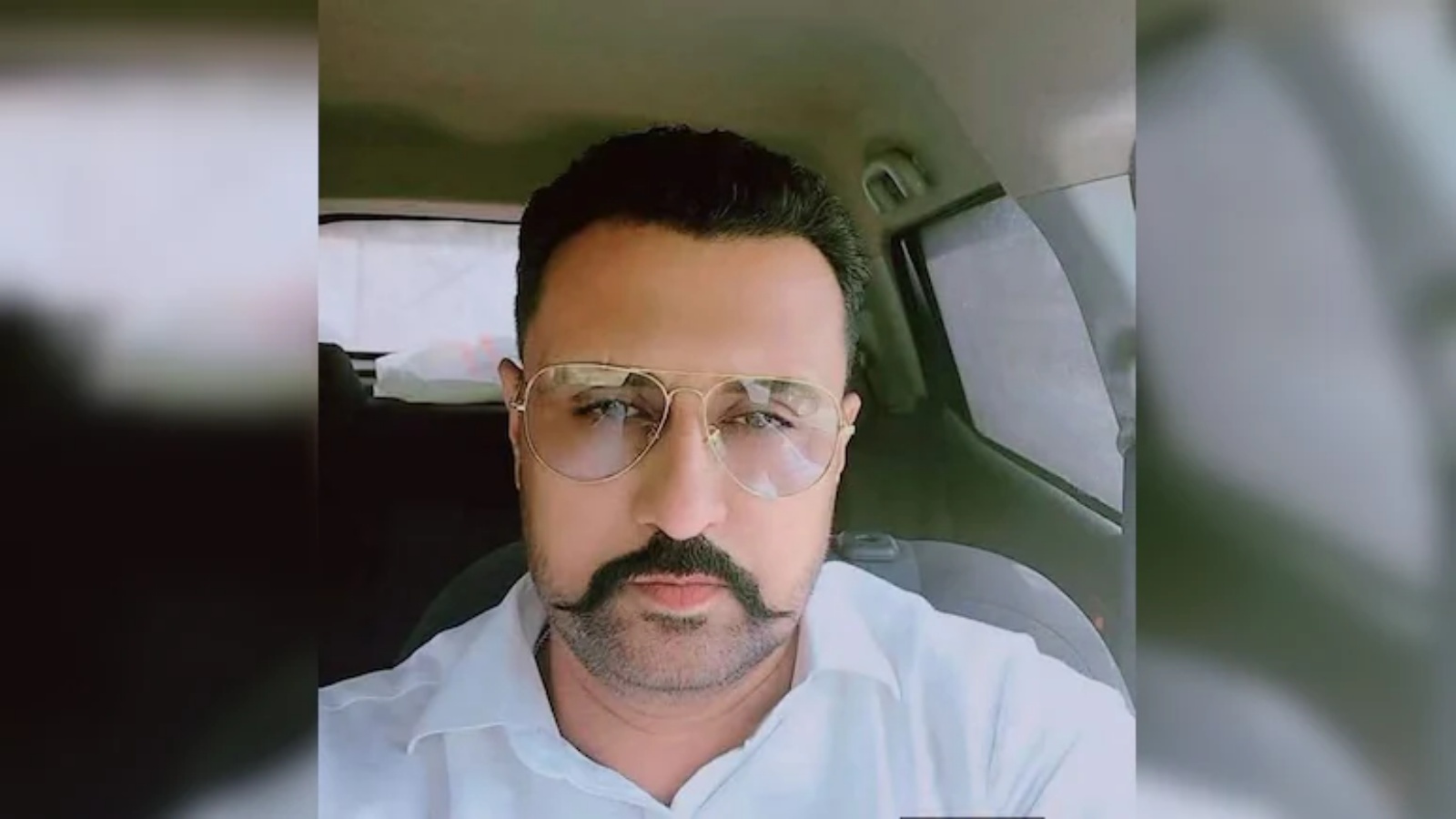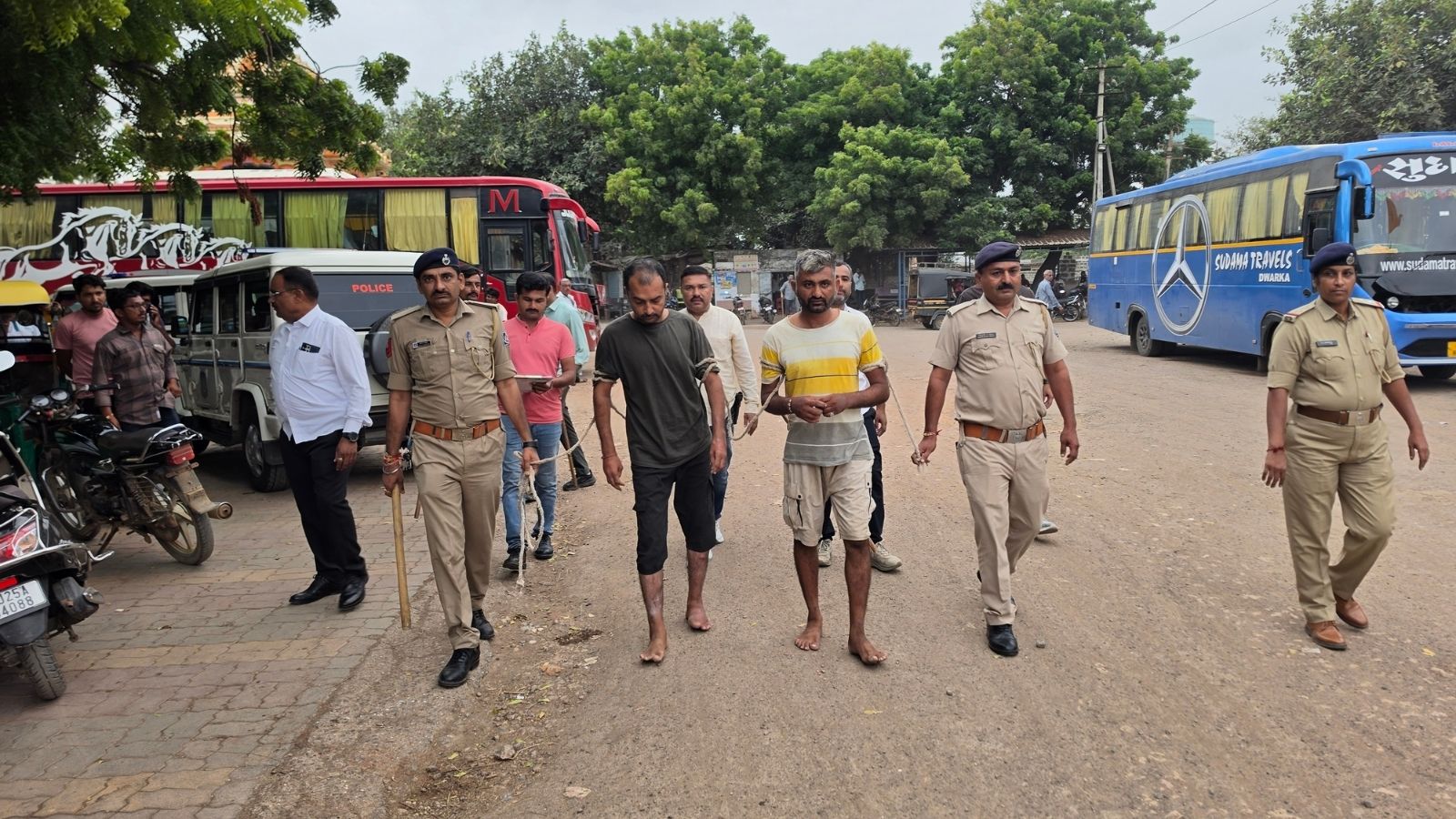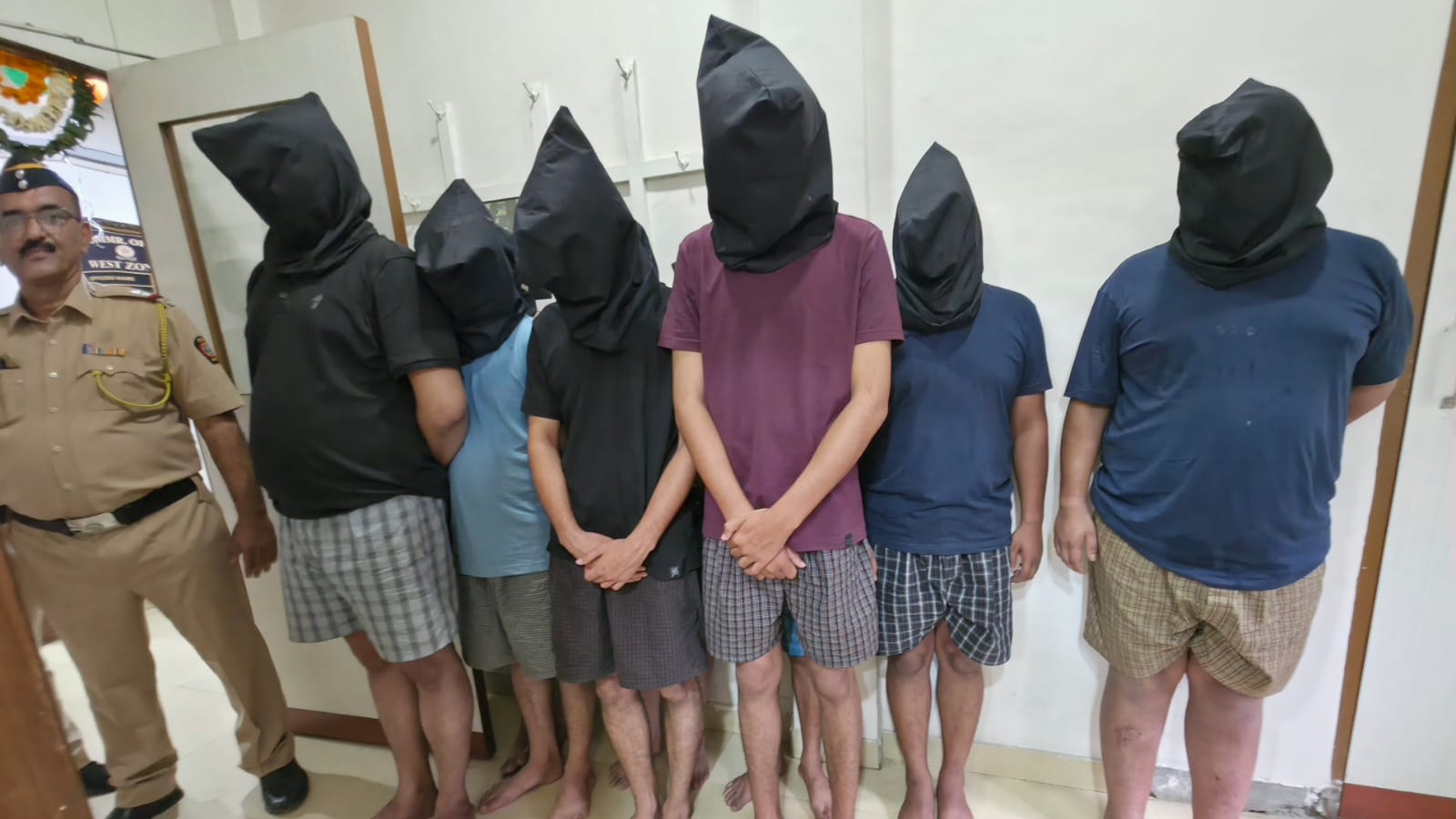
A Pune-based civil engineer, Yuvraj Kumar Sharma, has been arrested for allegedly operating a highly sophisticated, multi-state engineering admission racket. Preying on the desperate dreams of parents and students, the syndicate used bogus call centers and social media to siphon off lakhs of rupees under the guise of management quota seats.
- Yuvraj Kumar Sharma, an MIT Pune alumnus, ran a seasonal admission scam targeting IIT aspirants and parents.
- The racket was busted after a Powai-based mother was swindled of Rs 16.5 lakh for an IIIT Hyderabad seat.
- The syndicate operated through two bogus call centers in Pune, using burner phones and shutting down before list announcements.
He had once gone to Kota with the same ambition as thousands of students who arrive there every year to crack the prestigious IIT entrance examination. Yuvraj Kumar Sharma alias Sonu Kumar, 35, did not make it to an IIT. He eventually studied civil engineering at MIT Academy in Pune, graduating in 2016. Years later, according to the police, he was running a highly organized operation that allegedly preyed on students with precisely the ambition he had once pursued himself.
What started as a coaching center and an admission consultancy eventually became, police allege, a seasonal admission racket run through two bogus call centers in Pune. The operation would spring to life when engineering admissions began, find anxious parents and students through social media, promise seats in reputed colleges under management or NRI quotas, and then disappear before the official admission lists were announced.
The Powai Complaint That Busted the Network
The racket came to light after a mother from Powai, Mumbai, approached the police alleging that she had been cheated of Rs 16.5 lakh. Gracy Peter Swami, 47, had come across an Instagram account called "techorbit1111", through which she was promised admission for her son to the prestigious International Institute of Information Technology (IIIT), Hyderabad. She paid Rs 16.5 lakh, but the promised admission never materialized.
Her complaint eventually led investigators to a much larger, multi-state operation. Following swift police intervention, Deputy Commissioner of Police Datta Nalawade confirmed that authorities contacted the banks and managed to freeze Rs 16 lakh of the transferred amount. Following a court order, the entire amount was successfully returned to the victim. Investigators then followed the digital trail, leading them to rented apartments in Viman Nagar, Lohegaon, and Kharadi, where ten employees were found operating bogus call centers.
| Aspect | Legitimate Admission Process | Scam Syndicate Modus Operandi |
|---|---|---|
| Payment Method | Official bank draft / online portal of the college | Cash or indirect transfers routed through fuel stations |
| Communication | Verified institutional email and official website | Paid Instagram/Facebook ads and burner mobile numbers |
| Meeting Venue | College admission cell on campus | Off-campus locations like cafes or outside the college gate |
Why This Matters
BozokMedia analysis shows that the intense, high-stakes nature of Indian engineering admissions creates a fertile ground for cybercriminals. With millions of students competing for limited seats, desperate parents often bypass standard verification protocols out of panic, making them easy targets for well-spoken, technically sound scammers who impersonate college administrative staff.
"The intense pressure of securing a seat in premier engineering institutes creates a highly vulnerable demographic of parents, making them easy targets for organized admission syndicates."
The Mastermind's Modus Operandi
For Sharma, the admission business was familiar territory. Raised in Patna, Bihar, he was exceptionally good at mathematics. Encouraged by his grandfather, a teacher, he was sent to Kota to prepare for IIT-JEE. While attending coaching classes there, he also taught mathematics to other students. After his unsuccessful IIT attempt, he graduated from Pune and eventually devised this elaborate scam to make quick money.
According to investigators, the group created paid Instagram and Facebook accounts using bogus SIM cards. Once a prospective victim was identified, the callers got in touch, offering management quota seats. To bypass digital tracking, they opened a bank account in 2024 to receive online payments, and then approached petrol pump employees, offering them commissions to withdraw cash after transferring the money via Google Pay or debit cards. The call centers would then shut down, and all SIM cards were destroyed before the college admission lists were officially released.
Frequently Asked Questions
Q1: How can parents verify the authenticity of management quota seats?
A1: Parents must physically visit the college campus and consult only the official admission cell. No legitimate institution processes admissions or collects fees via third-party social media accounts or personal bank transfers.
Q2: What steps should a victim of an admission scam take immediately?
A2: Victims must immediately file a complaint on the national cybercrime portal (cybercrime.gov.in) and contact their bank to freeze the transaction before the scammers withdraw the funds.