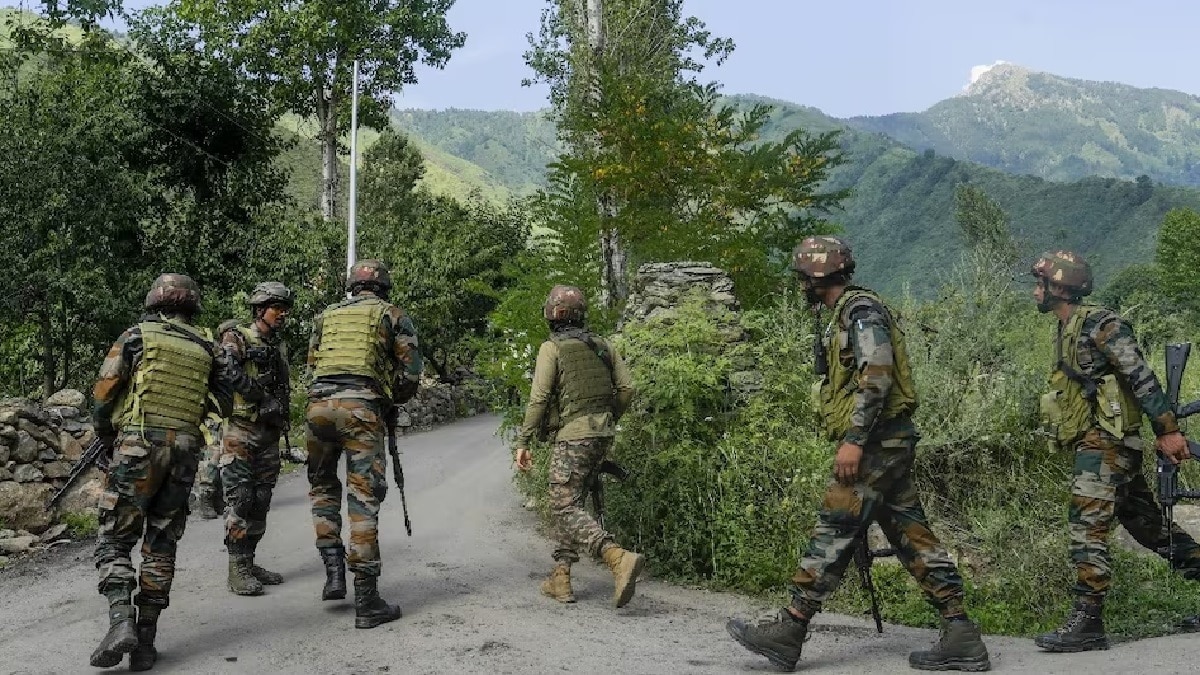
Security agencies have uncovered alarming new tactics employed by terror groups and Pakistan's ISI, involving pornography websites and highly encrypted applications to communicate and recruit in Jammu and Kashmir. This strategic shift away from mainstream social media presents significant challenges for cyber surveillance, forcing agencies to rapidly upgrade their interception capabilities. The covert networks exploit privacy features and anonymity to radicalize youth, marking a critical evolution in clandestine operations.
- Terrorist groups are now using porn sites and highly encrypted apps for recruitment and communication in Jammu and Kashmir.
- Pakistan's ISI is leveraging these covert channels to bypass surveillance on mainstream social media platforms.
- This shift is forcing security agencies to upgrade their cyber surveillance and interception capabilities.
Security agencies have uncovered a new tactic used by terrorists and their handlers to communicate secretly, with pornography websites and niche encrypted applications now being used to pass on instructions, officials said on Sunday, August 30, 2026. The agencies said terror outfits and Pakistan's intelligence agency, ISI, are using these channels to reach recruits in Jammu and Kashmir while avoiding surveillance on mainstream social media platforms. This shift presents a significant challenge for intelligence agencies, compelling them to rapidly upgrade their cyber surveillance and interception systems.
Officials stated that the covert network includes porn platforms with live chat features presented as tools to help users find dates nearby, as well as privacy-focused messaging applications that hide user identities. This move marks a strategic departure from commonly used platforms such as WhatsApp, Facebook Messenger, and Signal. These new methods offer extreme privacy, making it exceedingly difficult for security forces to track and intercept communications.
According to officials, handlers are using Tor-based messaging applications such as Coatex and Conion, which route data through encrypted nodes to conceal the identity of users. Access to the APK file for Conion is reportedly restricted in India. Agencies are also tracking a France-based app that offers end-to-end encrypted messaging without requiring a SIM card or phone number, making it harder to identify users. They are also monitoring Vietnam-based applications and anonymous platforms such as Moonchat, including PGP-encrypted versions suspected to have Chinese origins and which bypass traditional registration. Although several of these porn applications are banned in India, they are being downloaded illegally through VPN services, which mask internet addresses and make online activity harder to trace.
Security experts explained that platforms using the Tor network create major tracking difficulties because encrypted traffic is passed through multiple relay points around the world, hiding where the data comes from and where it is going. While Tor is maintained by the U.S.-based non-profit The Tor Project for privacy and anti-censorship purposes, officials noted that its anonymity features are increasingly being exploited by clandestine networks, including terror groups. This trend presents a complex balance between the security and surveillance of digital communications, underscoring the dual-use nature of many privacy-enhancing technologies.
Why This Matters
BozokMedia analysis shows that the adoption of these sophisticated digital tools by terrorist groups poses a severe threat to national security. It not only hampers intelligence gathering but also opens up a new, invisible front for radicalizing youth and recruiting them for terror acts. This situation reflects a continuous digital arms race in cybersecurity, where agencies must constantly innovate to stay one step ahead of their adversaries. The ability to effectively counter these clandestine channels is paramount for the nation's internal security.
The digital landscape has become the new frontier for clandestine operations, where the anonymity afforded by certain technologies is weaponized by terror groups, making traditional surveillance methods increasingly obsolete.
The new tactic came to light as security forces stepped up efforts against the use of foreign-generated virtual SIM cards. Officials explained that these virtual SIM cards, developed by companies based abroad, allow computers to generate phone numbers for use on smartphones through specific applications while leaving very little digital trace. This method was first exposed during the investigation into the 2019 Pulwama terror attack, in which 40 CRPF jawans were killed, when the NIA found that more than 40 virtual SIM cards had been used by the Jaish-e-Mohammed suicide bomber and his accomplices.
Officials said the latest findings show a wider shift by terror handlers towards harder-to-trace digital tools, ranging from porn sites with chat functions to encrypted apps and virtual SIM cards, as security agencies continue to track and counter these communication networks. The ban on such applications was justified because terror groups were increasingly using the encrypted messaging features of porn sites to recruit and radicalise youths in Jammu and Kashmir, posing a grave social and security challenge.
Frequently Asked Questions
- What are some of the specific encrypted apps being used by terror groups?
- How do virtual SIM cards aid terror groups in evading surveillance?