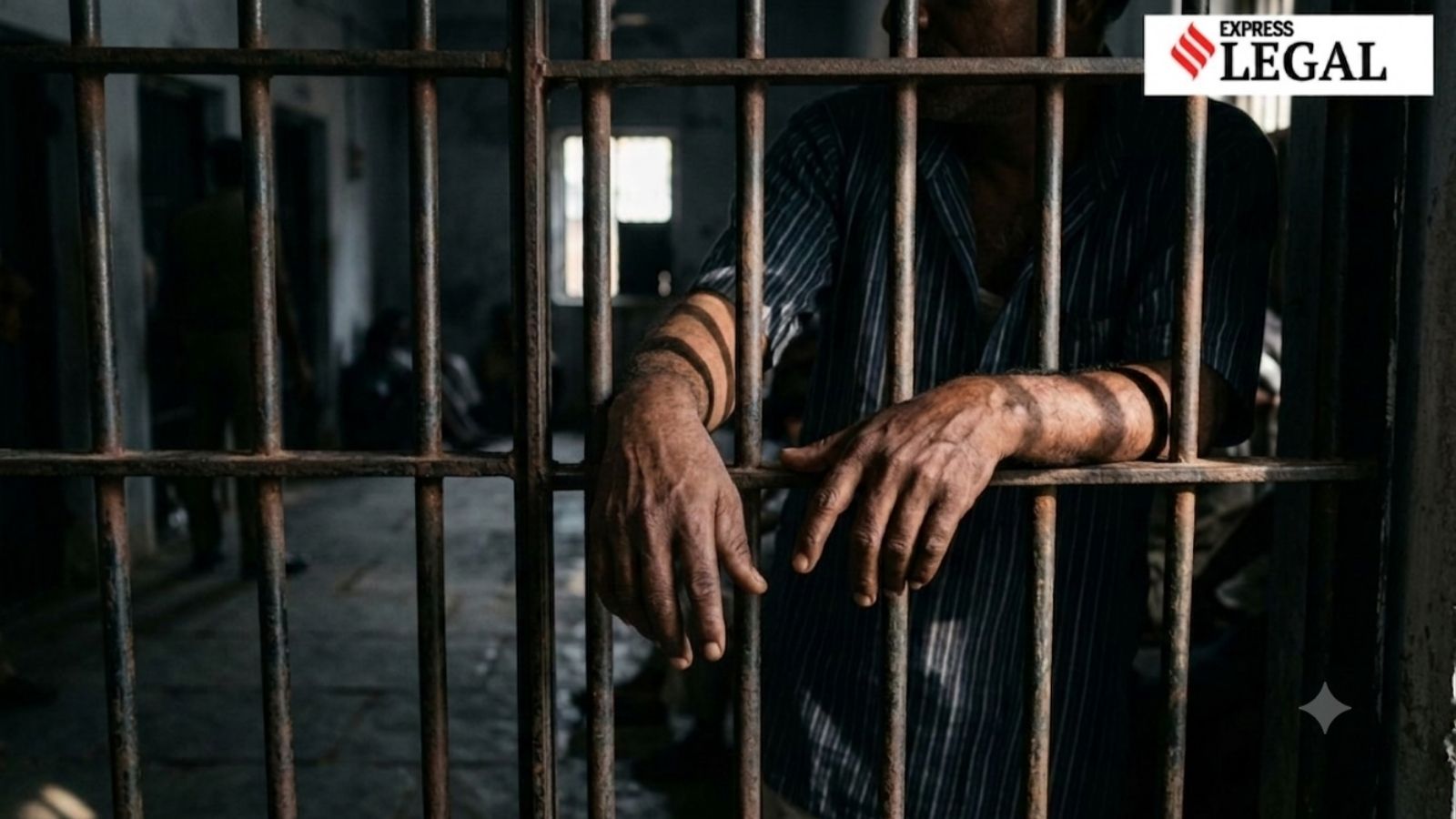
The Bombay High Court has upheld the eviction of a 52-year-old man from his father's home after CCTV footage and medical records proved repeated physical and verbal abuse against the 83-year-old senior citizen.
- Bombay High Court upheld the eviction of a 52-year-old son from his 83-year-old father's Mumbai residence.
- CCTV footage and medical records served as primary evidence of assault and harassment.
- The court reaffirmed that the Senior Citizens Act, 2007, protects the right to a dignified and peaceful life.
- Property disputes between siblings do not justify the abuse of elderly parents.
In a landmark judgment emphasizing the protection of the elderly, the Bombay High Court has dismissed a plea filed by a 52-year-old man seeking to overturn his eviction from his father's residence in Kalina, Mumbai. The court ruled that the petitioner's conduct was "reprehensible," asserting that no child has the right to jeopardize a senior citizen's right to live a peaceful and dignified life.
The case centers on an 83-year-old father who approached the maintenance tribunal under the Maintenance and Welfare of Parents and Senior Citizens Act, 2007. The father alleged that his son, who struggled with alcoholism, possessed an aggressive temperament and had repeatedly assaulted him and other family members. Furthermore, the father claimed he was under constant pressure to sell his properties to provide money for the son.
Why This Matters
BozokMedia analysis shows that this ruling reinforces a critical legal precedent: the definition of "maintenance" under the 2007 Act is not limited to financial support but extends to the right to a peaceful residence. By upholding the eviction, the court has sent a clear signal that the law will not allow the "weaponization" of family ties to shield abusive children, nor will it ignore the psychological trauma elderly parents face when they are hesitant to report their own children to the police.
During the proceedings, the court examined distressing CCTV footage and medical records that corroborated the father's claims. While the son argued that the accusations were fabricated by his siblings and that he had provided financial support for medical expenses, Justice N J Jamadar noted that financial contribution does not grant a license to abuse.
"The right to a dignified life for senior citizens outweighs any claim of kinship or financial contribution by an abusive offspring."
The court specifically addressed the argument that only two police complaints had been filed over 13 years. Justice Jamadar observed that parents typically avoid legal action against their children until all other options are exhausted, meaning a low number of police reports does not equate to a lack of abuse.
| Argument by Son (Petitioner) | Court's Observation/Finding |
|---|---|
| Claims accusations were fabricated by siblings. | CCTV footage and medical records provide objective proof of assault. |
| Argued he provided financial and medical support. | Financial support does not justify reprehensible behavior or violence. |
| Few police complaints in 13 years. | Parents usually report children only as a last resort. |
The court concluded that the eviction was necessary to restore normalcy to the elderly man's life. The ruling confirms that the Senior Citizens Act is a beneficial piece of legislation designed to prevent neglect and harassment, ensuring that the elderly are not deprived of the use and occupation of their own homes.
Frequently Asked Questions
1. Can a senior citizen evict their child from their own house?
Yes, under the Maintenance and Welfare of Parents and Senior Citizens Act, 2007, if the child's behavior makes it impossible for the parent to live peacefully, the tribunal can order eviction.
2. Does providing financial support protect a child from eviction?
No. As seen in this case, providing for medical or insurance expenses does not excuse physical or mental abuse.