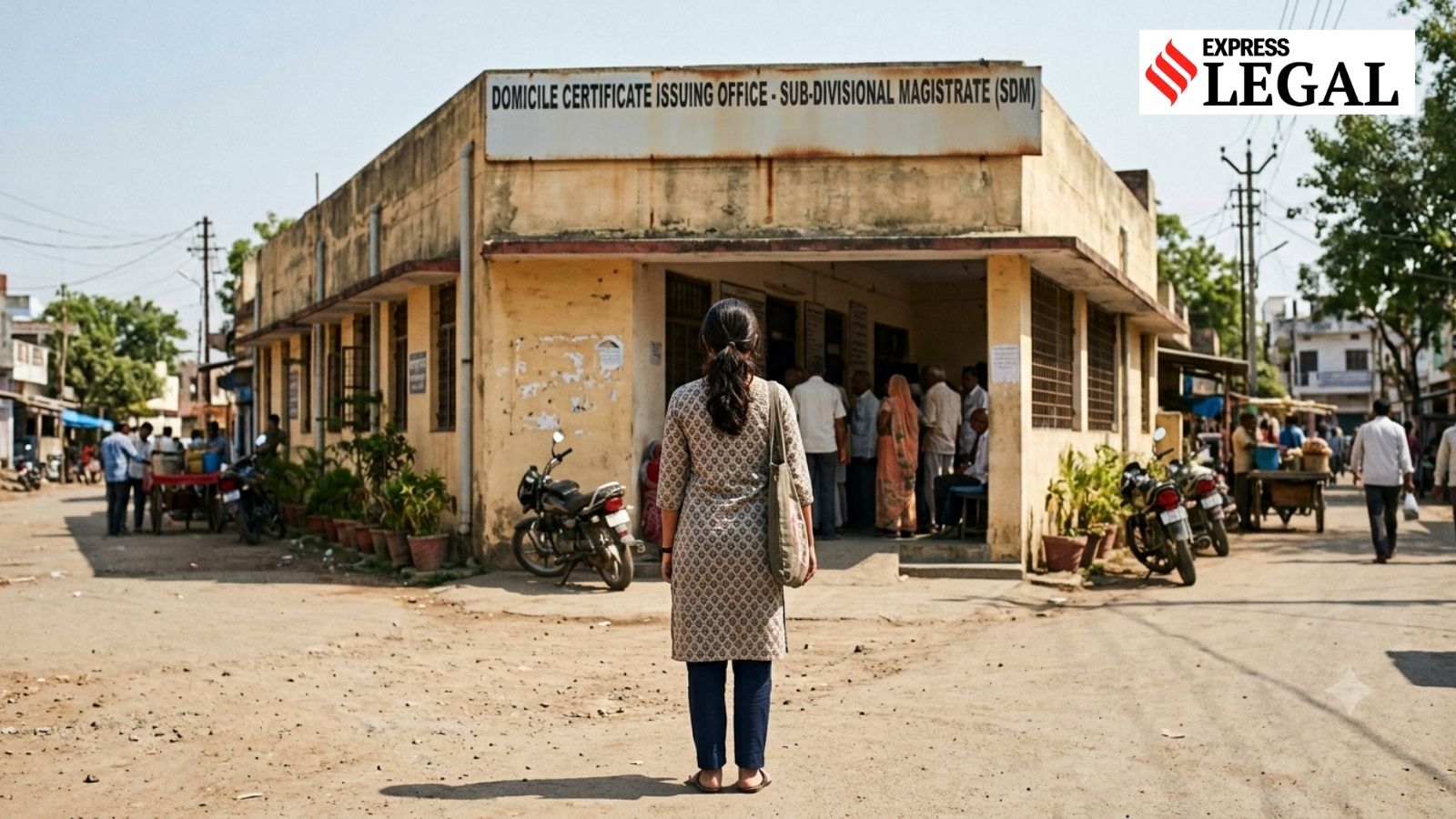
The Calcutta High Court has intervened to ensure a student's academic future isn't jeopardized by administrative errors. The court ruled that a mother's absence from the voter list cannot be a ground to deny a domicile certificate to an eligible resident.
- Calcutta High Court ordered the immediate issuance of a domicile certificate to a WBJEE-qualified student.
- The court rejected the state's argument that the mother's deletion from voter lists invalidated the student's residency.
- A separate order was issued to expedite a voter list appeal to facilitate a student's passport for MBBS studies in Bangladesh.
In a significant victory for student rights and administrative accountability, the Calcutta High Court has directed state authorities to immediately issue a domicile certificate to a student who had successfully cleared the West Bengal Joint Entrance Examination (WBJEE). The court observed that the denial of the certificate was based on an illogical premise: the fact that the petitioner's mother's name had been deleted from the electoral rolls.
The case, presided over by Justice Krishna Rao, highlighted a distressing administrative deadlock. The student, who had also appeared for the NEET examination, found herself in a limbo where authorities neither rejected her application nor issued the certificate, effectively stalling her counseling process for professional courses. The petitioner had a strong case, having been born and raised in West Bengal and completing her schooling up to Class XII within the state.
The state authorities argued that because the mother's name was missing from the voter list, the student was not entitled to the certificate. However, the court pointed out a glaring contradiction: the student herself remained on the electoral roll and had actively voted in the last Assembly election. Justice Rao emphasized that the primary purpose of a domicile certificate is to identify the individual requesting it, not to audit the voter status of their parents.
Why This Matters
BozokMedia analysis shows that this ruling sets a critical precedent against "administrative rigidity." When government offices prioritize narrow clerical checkboxes over substantial evidence of residency (such as birth records and educational certificates), it creates systemic barriers for students. This judgment reinforces that individual citizenship and residency rights are not derivative of a parent's administrative status.
"The judiciary is increasingly stepping in to prevent bureaucratic apathy from derailing the academic and professional trajectories of the youth."
The court has now ordered the Sub-Divisional Officer (SDO) or Sub-Divisional Magistrate (SDM) to issue the certificate within one week, provided the petitioner is otherwise eligible. This ensures the student does not lose her seat in the competitive counseling process.
In a related matter, the court also addressed the systemic issue of voter list deletions. Justice Rao directed the Special Intensive Revision (SIR) appellate tribunal to resolve an appeal within two weeks for a woman whose deleted voter status was preventing her son from obtaining a passport to pursue an MBBS course in Bangladesh.
Frequently Asked Questions
Q1: Can a student be denied a domicile certificate if their parents aren't on the voter list?
According to the recent Calcutta High Court ruling, no. If the student can prove their own residency through education and other documents, the parents' voter status is not the sole deciding factor.
Q2: What is the timeframe given by the court for the issuance of the certificate?
The court has directed the concerned SDO/SDM to issue the certificate within one week of receiving the order.