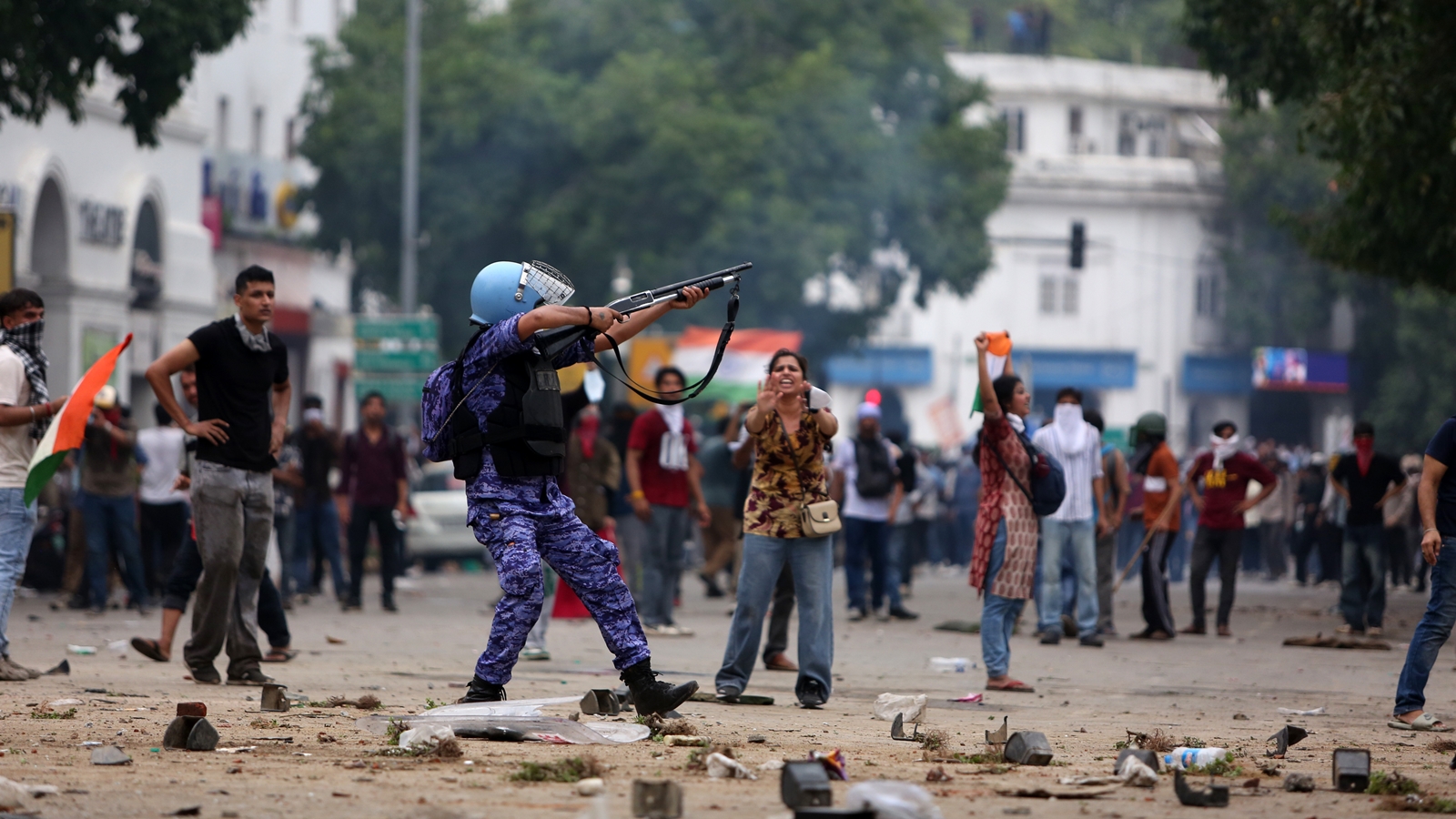
In a surprising legal move, the Delhi Police has approached the Supreme Court to quash FIRs against students involved in the NEET-UG leak protests, citing national interest and a prior government decision.
- Delhi Police invoked Article 142 of the Constitution to quash FIRs against students.
- The move follows the Centre's July 25 decision to drop cases against peaceful protesters.
- Approximately 2,873 individuals accused of grave crimes like murder and rape are excluded from this relief.
- The Supreme Court declined to block the CJP's planned protest march on September 5.
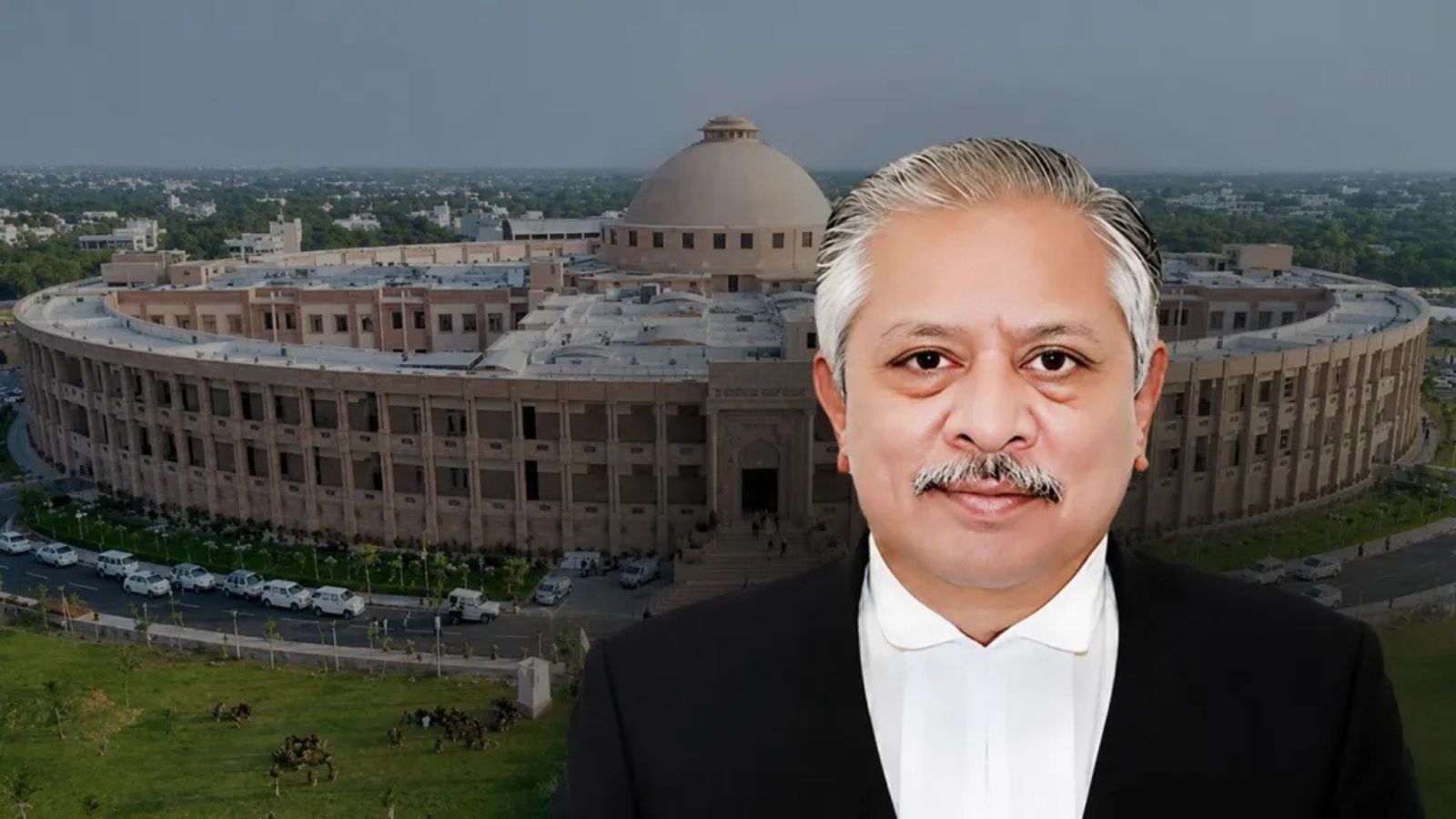
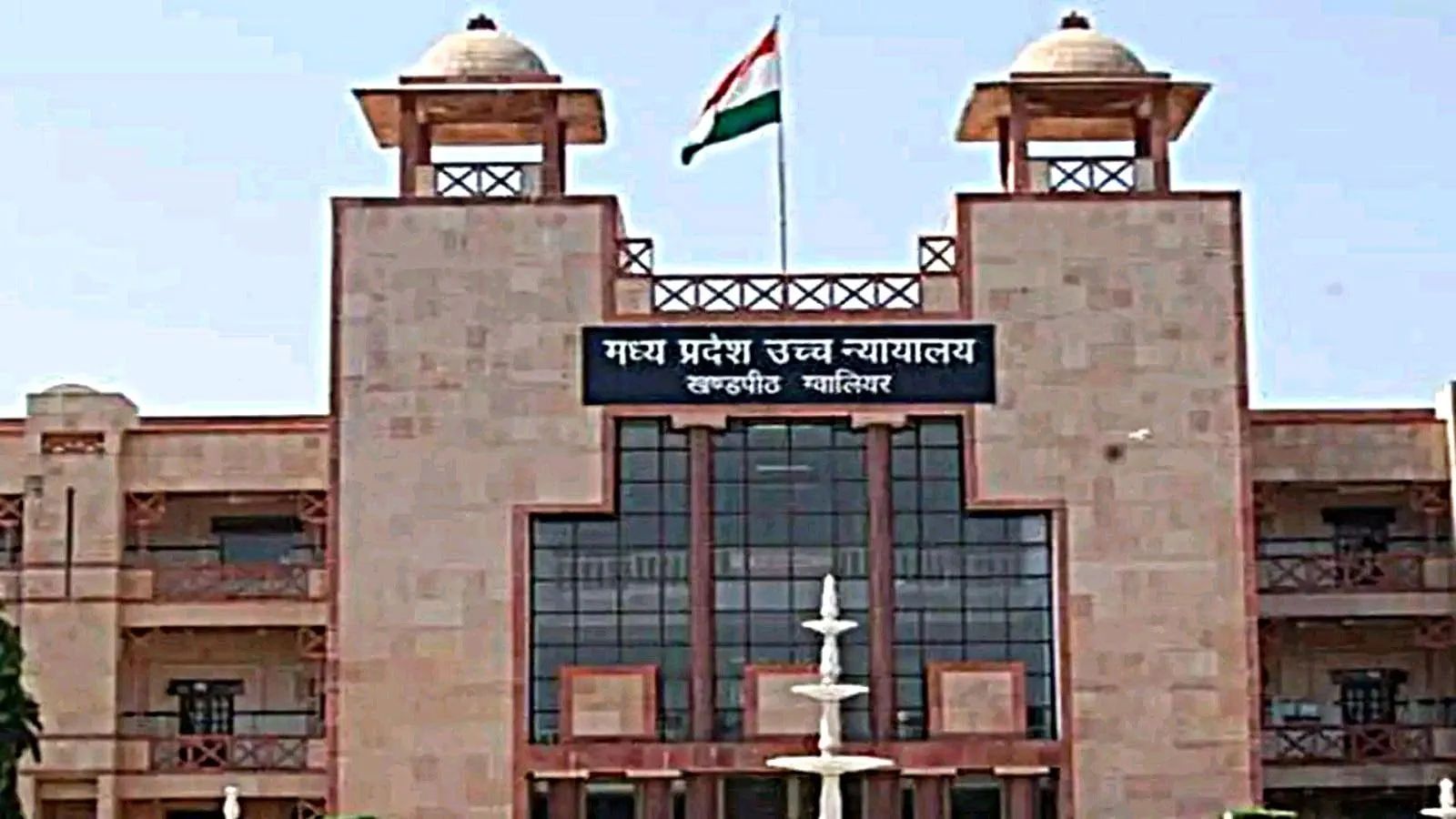
The Delhi Police has officially approached the Supreme Court of India, requesting the court to exercise its extraordinary powers under Article 142 to quash First Information Reports (FIRs) registered against students who participated in the July protests over the NEET-UG question paper leak. The police cited "public and national interest" as the primary driver for this application, signaling a shift from prosecution to reconciliation.
This legal development comes at a critical juncture as the Cockroach Janta Party (CJP) has called for a massive protest march in the capital on September 5. The CJP has accused the Central Government of failing to honor its commitment to withdraw cases against the student protesters. During the proceedings, Chief Justice of India (CJI) Surya Kant maintained a neutral stance, refusing to pass any restrictive orders against the planned march, stating that the court presumes all parties will behave in a lawful and responsible manner.
BozokMedia analysis shows that this move is strategically timed. With the BRICS Summit scheduled to take place in New Delhi on September 12-13, the Indian government is keen to avoid any large-scale civil unrest or violent clashes in the capital. By quashing the FIRs, the state aims to neutralize the grievances of the student community, thereby ensuring a stable environment for visiting international dignitaries.
"The invocation of Article 142 reflects a pragmatic approach where the state prioritizes social stability over the rigid pursuit of criminal litigation against students."
Solicitor General Tushar Mehta informed the bench that the state no longer wishes to pursue investigations into the protests that occurred between July 20 and July 25, 2026. However, a clear boundary was drawn: those involved in "grave cases"—including murder, rape, and abduction—will not be granted this relief. This ensures that while political protesters are forgiven, actual criminals remain under the scanner.
The court also heard concerns from Advocate Syed Rizwan Ahmed, who argued that the CJP is seeking a "showdown" with the police to gain international visibility ahead of the BRICS summit. The CJI responded by emphasizing that law enforcement agencies are responsible for maintaining order and that both the protesters and the police must respect the law of the land.
Q1: Will all students who were booked get relief?
No. Relief is not extended to approximately 2,873 individuals who are accused of serious crimes such as murder or abduction.
Q2: Why is the Delhi Police asking the court to quash the FIRs instead of doing it themselves?
Quashing an FIR typically requires judicial intervention, and by using Article 142, the police seek a comprehensive legal closure that prevents future litigation.