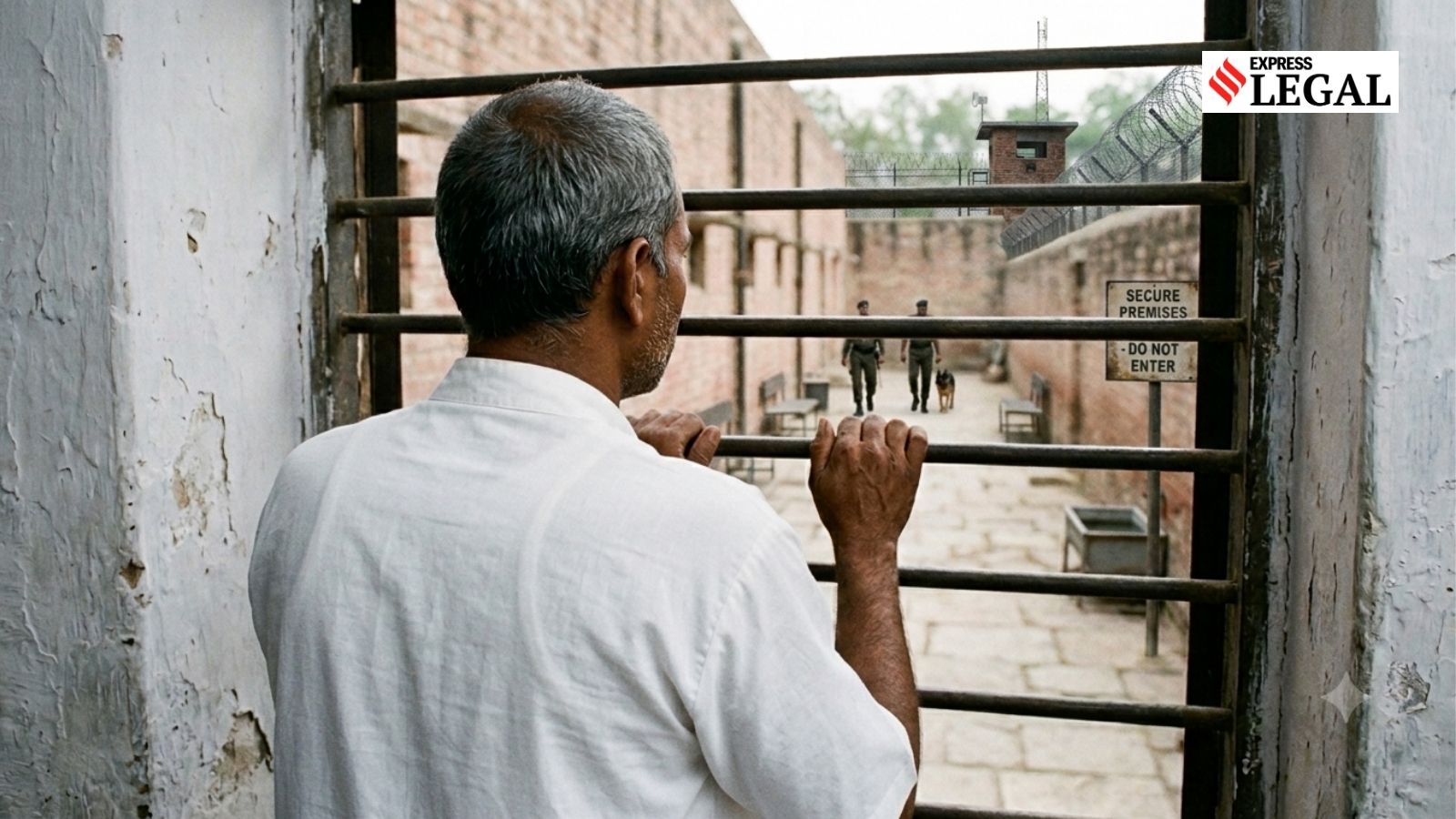
The Gauhati High Court has upheld the conviction of a CRPF personnel, ruling that mental trauma and close family bonds explain the victim's delayed disclosure of the assault.
- Gauhati High Court upheld the 10-year sentence of a CRPF personnel for rape.
- The court ruled that family ties and trauma justified the delay in reporting the crime.
- The victim tragically committed suicide after testifying in the trial.
The Gauhati High Court has delivered a significant verdict upholding the conviction of a Central Reserve Police Force (CRPF) personnel for the rape of a 21-year-old woman. The court observed that the victim’s struggle to disclose the assault was a direct result of the close relationship between her family and the accused, whom she regarded as an "uncle".
Justice Mitali Thakuria, while dismissing the appeal filed by the accused, emphasized that the victim's testimony was credible and corroborated by surrounding circumstances. The defense had argued that the lack of medical evidence showing physical injuries and the delay in filing the FIR should lead to an acquittal, but the court rejected these claims.
Detailed Case Background
The incident dates back to 2021 during a birthday celebration for the accused's son. Following the event, the victim traveled in the accused's car along with her cousin, the accused's daughter, and a driver. According to the prosecution, the accused diverted the vehicle to an isolated area. While the driver stepped away, the accused allegedly assaulted the woman.
The victim's cousin remained in the car with loud music playing and did not witness the act, though she later found the victim in a state of distress. For several days, the victim remained silent and stopped eating, eventually attempting suicide. It was only during her hospitalization that she disclosed the horror to her parents.
Why This Matters
BozokMedia analysis shows that this judgment reinforces a critical legal precedent: the "delayed FIR" is not an automatic ground for acquittal in cases of sexual violence, especially when the perpetrator is a trusted family member. By prioritizing the psychological state of the victim over rigid medical markers, the court has acknowledged the complex dynamics of grooming and familial coercion.
"The absence of physical injury does not negate the occurrence of non-consensual sexual intercourse, particularly in cases involving psychological dominance."
The court highlighted the tragedy that the victim succumbed to her trauma and took her own life after deposing in the trial. The ruling noted that there was no evidence of any prior grudge or enmity that would prompt the victim to fabricate such a serious allegation against a family friend.
| Defense Argument | Court's Ruling |
|---|---|
| Delay in filing FIR | Explained by mental trauma and family ties |
| No medical evidence of injury | Physical injury is not a prerequisite for rape conviction |
| Inconsistencies in testimony | Testimony supported by witness accounts and circumstances |
Frequently Asked Questions
1. Can a person be convicted of rape without medical evidence of injury?
Yes, as seen in this case, the court can convict based on credible testimony and circumstantial evidence if the medical report is inconclusive.
2. What was the final sentence for the accused?
The trial court sentenced the CRPF personnel to 10 years of rigorous imprisonment and a fine of Rs 10,000, a decision now upheld by the High Court.