The J&K and Ladakh High Court has quashed the dismissal of a senior bank official, ruling that a CEO cannot exercise the same extraordinary powers as the President or Governor of India.
- The High Court set aside the dismissal due to a lack of proper departmental inquiry.
- The court ruled that a Bank MD/CEO does not possess the constitutional trust granted to the President or Governor.
- The official was accused of running the #TortureKashmir social media campaign.
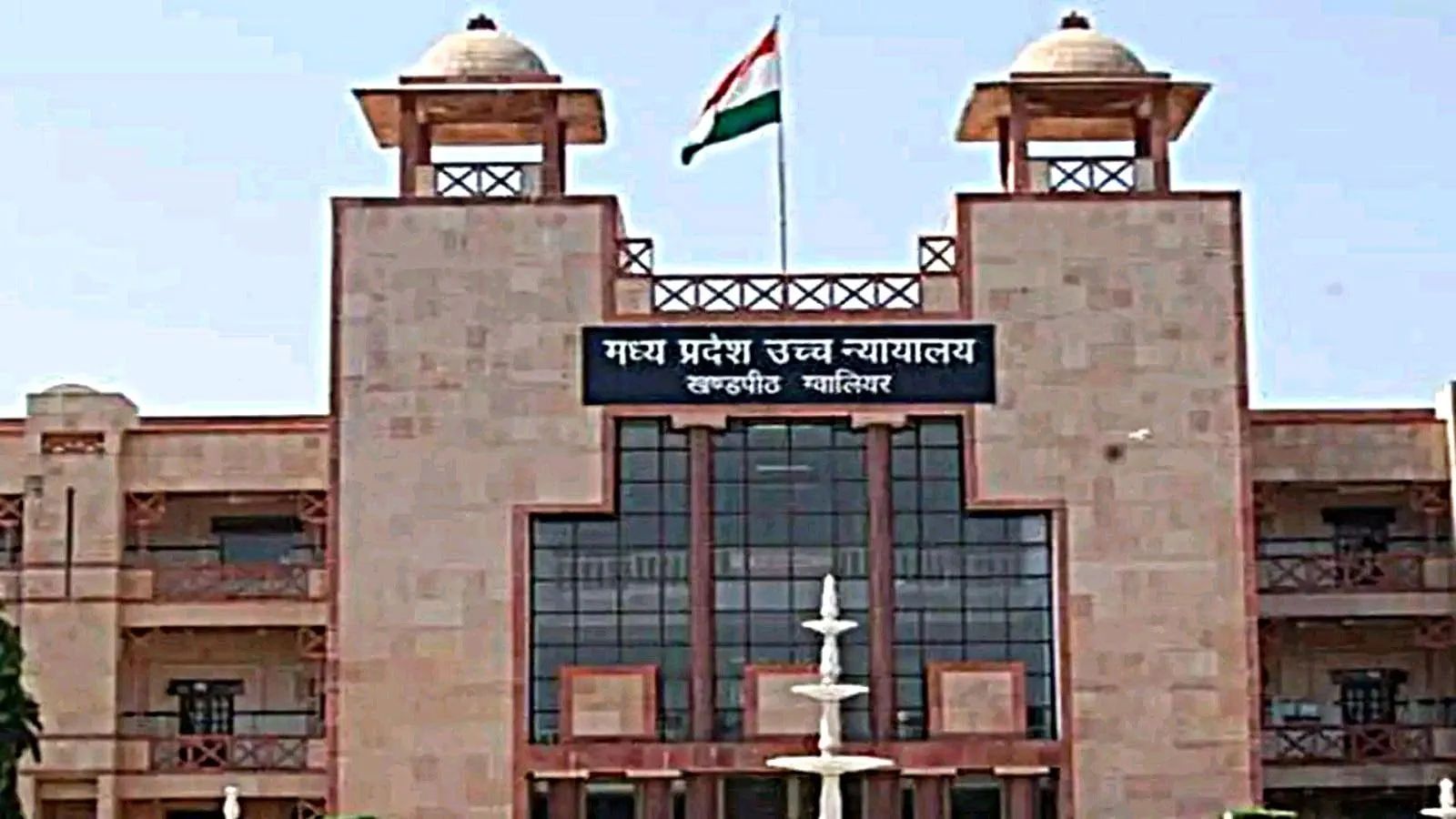
The Jammu and Kashmir and Ladakh High Court has delivered a significant judgment by setting aside the dismissal of a senior bank official who had been accused of engaging in anti-national activities. The court emphasized that the power to dismiss an employee without a formal inquiry is a drastic measure that must be reserved for exceptionally rare cases and cannot be wielded arbitrarily by corporate executives.
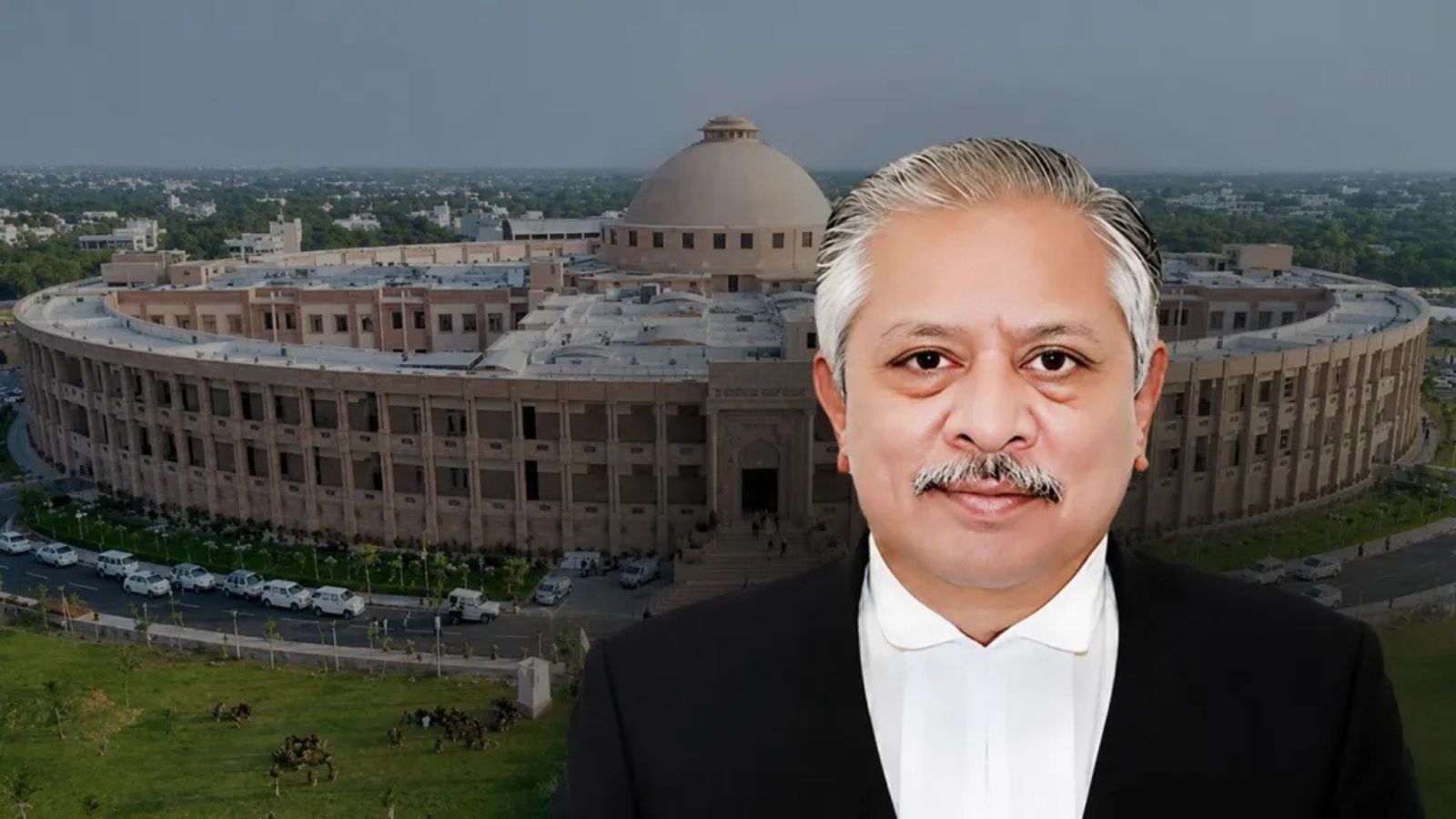
Justice Sanjay Dhar observed that while the President and the Governor are high constitutional functionaries who can be trusted with the power of dispensing with services without an inquiry under specific circumstances, the same level of trust cannot be reposed in the Managing Director and CEO of a bank. The court noted that in the absence of a formal investigation, the dismissal order was legally unsustainable.
The Core of the Dispute
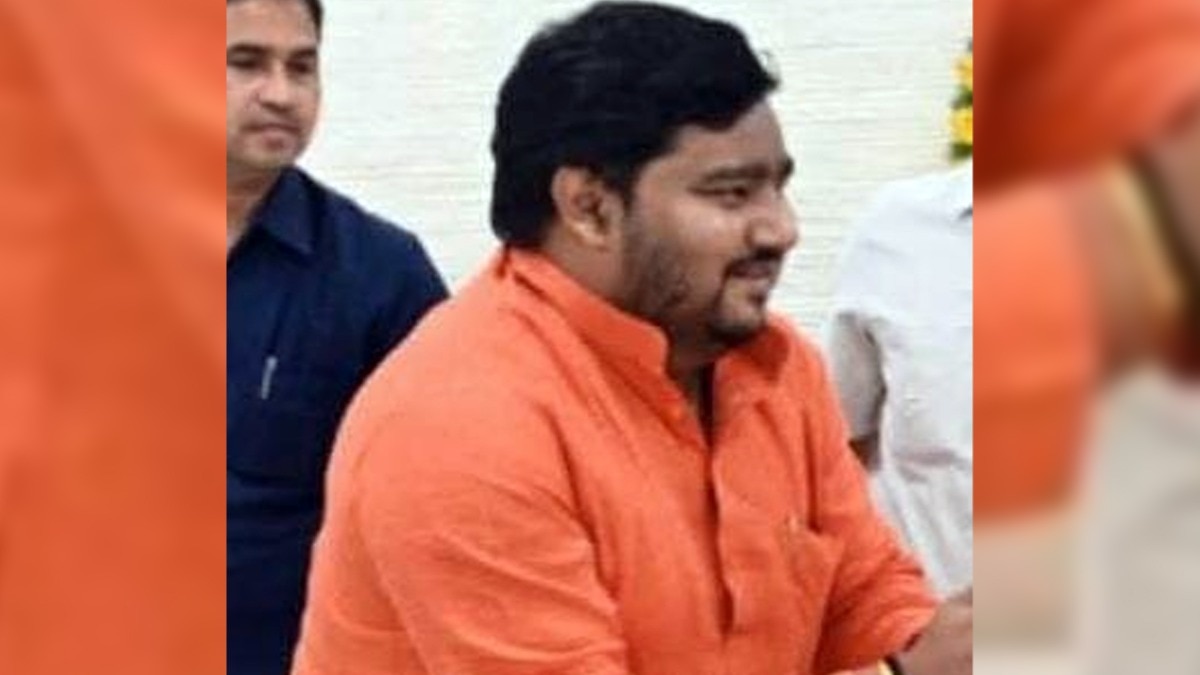
The petitioner was appointed as the Deputy General Manager in 2022. On April 15, 2024, the bank suspended him pending an investigation into alleged misconduct. By July 15, 2024, the bank proceeded to dismiss him without a departmental inquiry, invoking a specific clause from the Officers Service Manual (OSM), alleging his involvement in terrorist and anti-national activities, specifically the #TortureKashmir campaign.
Why This Matters
BozokMedia analysis shows that this ruling reinforces the 'Principles of Natural Justice' within the banking sector. It prevents the misuse of 'national security' clauses by administrative heads to bypass due process. This decision serves as a warning to institutions that internal manuals cannot override the fundamental right to a fair hearing.
"The distinction between constitutional authority and administrative power is absolute; one cannot substitute the other to bypass the rule of law."
The bank and the government argued that a discreet police investigation had provided enough material to justify the dismissal. However, upon reviewing the confidential reports, the court found that the evidence was based on hearsay and social media posts, without any examination of witnesses or formal collection of evidence as required by the service manual.
| Feature | President/Governor Power (Art 311) | Bank CEO Power (OSM Clause) |
|---|---|---|
| Status | Constitutional Head | Administrative Head |
| Dismissal w/o Inquiry | Permitted in specific cases | Invalid without formal proof |
| Basis of Trust | Constitutional Mandate | Procedural Compliance |
Frequently Asked Questions
1. Does this mean the banker is completely cleared of all charges?
No. The court has only set aside the dismissal due to procedural lapses. The bank is permitted to initiate a fresh inquiry or follow the proper legal procedure to prove the allegations.
2. What was the #TortureKashmir campaign?
It was a social media movement that the bank alleged the official was operating, using it as primary evidence for 'anti-national' behavior.