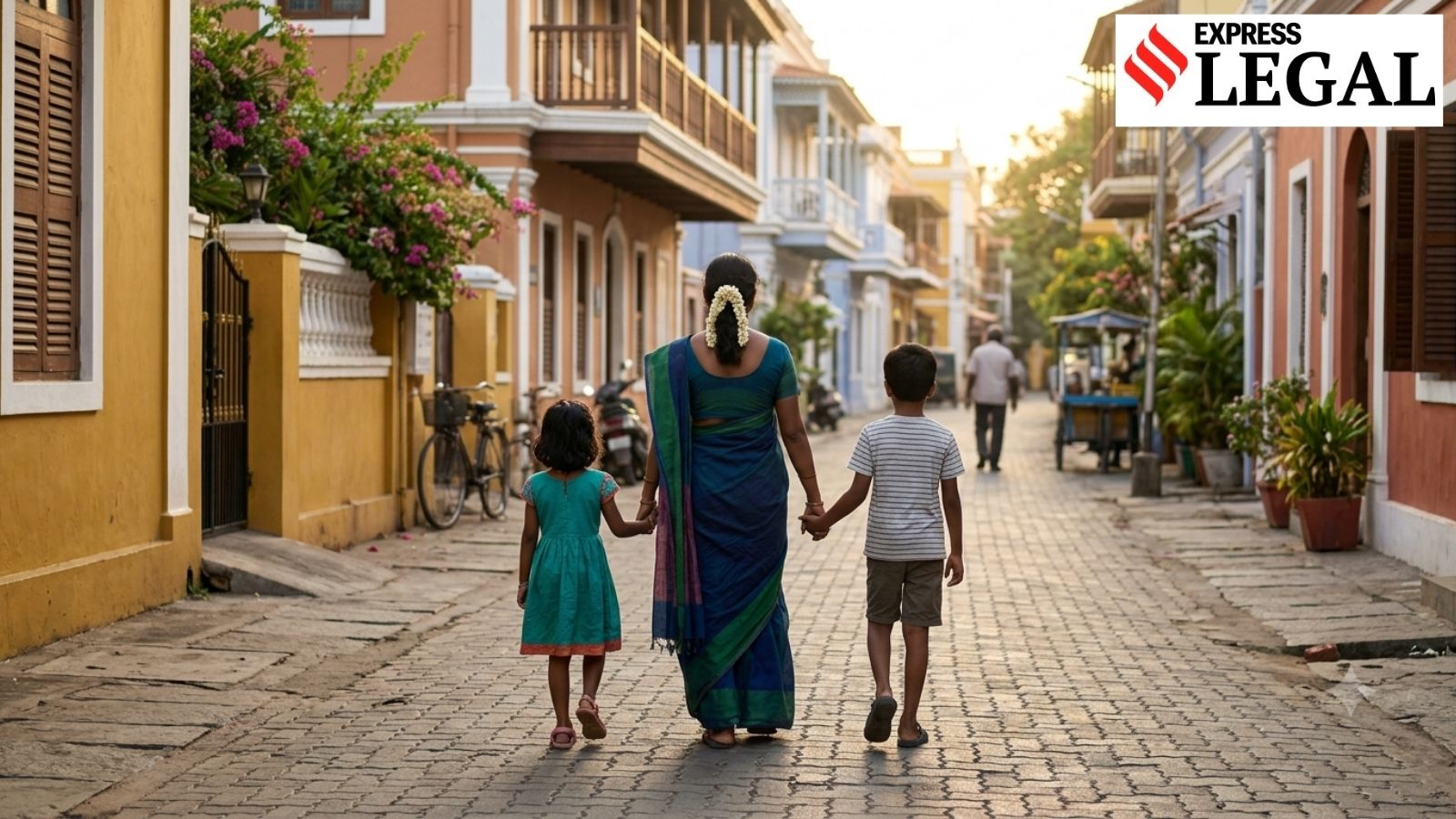
In a landmark judgment, the Madras High Court has ruled that children can claim SC, MBC, or OBC reservation benefits through their mother's nativity, emphasizing that social disadvantage outweighs patriarchal lineage.
- Reservation status can be claimed via the mother if both parents belong to the same community.
- The court rejected the argument that caste must only be traced through the father (patrilineal).
- Social disadvantage and facing community-based stigma are the primary criteria for benefits.
- The ruling reinforces Constitutional Articles 14, 15, and 16 against gender-based discrimination.
The Madras High Court has delivered a progressive verdict, asserting that a child's right to reservation cannot be denied simply because traditional norms trace caste through the father. The court explicitly rejected the Puducherry administration's stance that society is inherently patriarchal and therefore lineage must be patrilineal.
Justice D Bharatha Chakravarthy presided over a batch of 28 petitions where candidates, born and raised in Puducherry, sought Scheduled Caste (SC), Most Backward Class (MBC), or Other Backward Class (OBC) status. While their mothers were natives of Puducherry with valid certificates, their fathers were migrants from other states, including Tamil Nadu. The administration had previously refused these certificates, arguing that caste is a father-led identity.
Why This Matters
BozokMedia analysis shows that this ruling marks a significant shift from biological lineage to sociological reality. By decoupling caste identity from the father's domicile, the court is acknowledging that the 'stigma' and 'deprivation' associated with a caste are experienced by the child regardless of which parent provides the lineage. This effectively dismantles the legal shield of 'patriarchy' used by state administrations to limit reservation access.
The court observed that if a man from another state marries a Puducherry native, the child is often granted benefits. However, the reverse—a woman marrying a migrant—was being unfairly penalized. The court noted that such distinctions are based on misogynistic stereotypes that compel women to follow the domicile of men.
"The basis of reservation is social disadvantage and the sufferings and stigma attached to the child; whether it is patrilineal or matrilineal makes no difference."
Drawing from the Supreme Court's ruling in Rameshbhai Dabhai Naik v State of Gujarat, the High Court emphasized that the ultimate test is whether the child was brought up in that community and faced the associated humiliations and handicaps. In these cases, since both parents belonged to the same caste and the children were raised in Puducherry, the denial of benefits was deemed unjustified.
The court further highlighted that Articles 14 (Equality), 15 (Non-discrimination), and 16 (Equal Opportunity) of the Indian Constitution cannot be overridden by traditional beliefs about vamsam or lineage. The ruling ensures that the spirit of affirmative action reaches those truly marginalized by society.
Frequently Asked Questions
1. Can a child claim reservation if only the mother belongs to a reserved category?
The court emphasized that while the mother's nativity is crucial, the key is whether the child was raised in that community and faced the associated social disadvantages.
2. Does this ruling apply to all states in India?
While this is a Madras High Court ruling specifically affecting Puducherry, it sets a strong legal precedent based on Constitutional rights that other courts may follow.