Sony is fighting a class-action lawsuit regarding the lack of ownership disclosures on the PlayStation Store, arguing that reasonable consumers understand digital purchases are merely licenses.
- Sony is facing a lawsuit for allegedly failing to disclose that digital games are licenses, not permanent purchases.
- The company argues that the concept of 'ownership' is obsolete in the digital age.
- The transition to an all-digital PS6 generation makes this legal battle critical for consumer rights.
Gaming giant Sony has filed a robust defense in a proposed class-action lawsuit that alleges the company fails to adequately disclose that digital games purchased via the PlayStation Store are licenses rather than owned assets. This legal battle stems from a 2025 California law requiring companies to provide a "clear and conspicuous" warning when digital goods are not permanently owned by the buyer.
In its latest court filing, Sony dismissed the plaintiffs' claims as implausible. The company argued that in the modern digital era, it is unrealistic to suggest that a reasonable consumer believes they are obtaining absolute ownership of a digital file. To illustrate this, Sony pointed out that multiple users can purchase the same title, such as Resident Evil Requiem, proving that the store sells access, not a unique physical object.
Why This Matters
BozokMedia analysis shows that this case represents a pivotal moment for the "Right to Own" movement. If the court rejects Sony's argument, the company may be forced to replace the ubiquitous 'Buy' button with 'Purchase a Digital License.' This would fundamentally shift consumer transparency and could set a precedent for other digital storefronts like Steam or the Xbox Store.
The shift from ownership to licensing is the most significant erosion of consumer rights in the history of entertainment media.
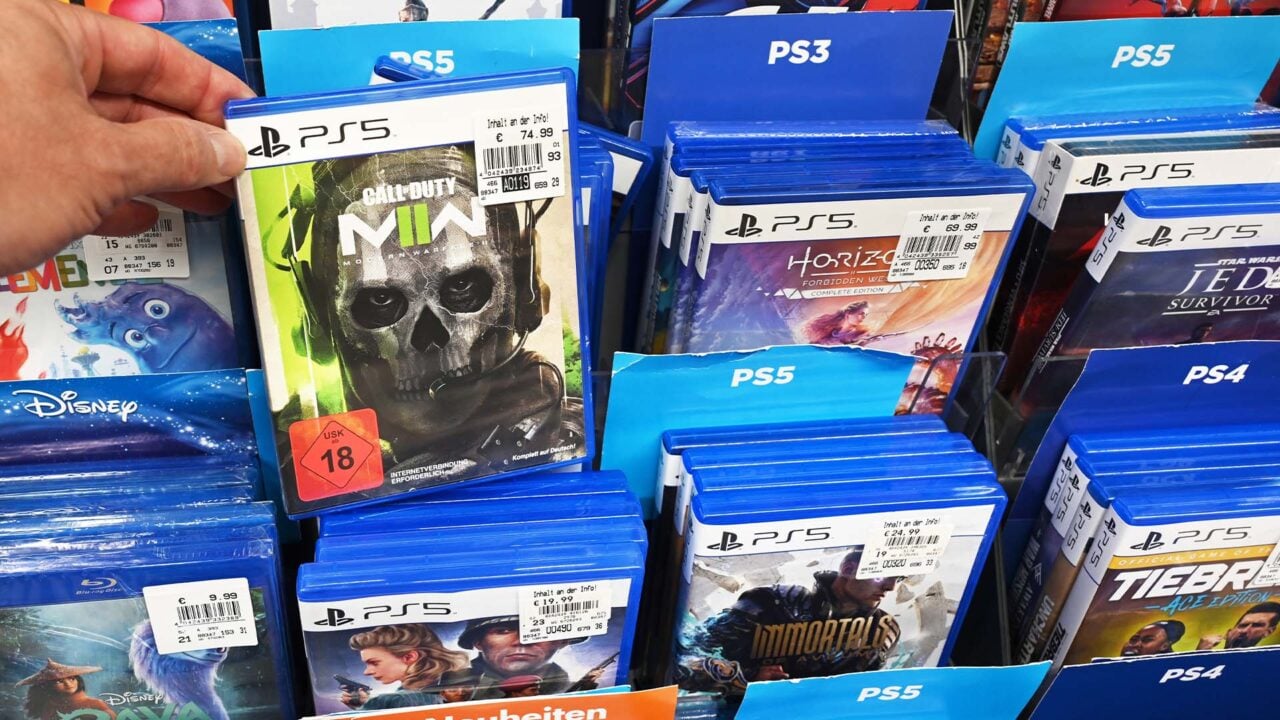
The stakes are heightened by Sony's strategic move to end the production of physical game discs with the upcoming PS6 console generation. By eliminating physical media, Sony is effectively mandating a license-only ecosystem, leaving users entirely dependent on the company's servers and terms of service for access to their libraries.
| Feature | Physical Disc | Digital License |
|---|---|---|
| Ownership | Permanent Physical Asset | Conditional License |
| Resale Value | Possible via Second-hand Market | Zero (Non-transferable) |
| Access Control | User-controlled | Platform-controlled |
Frequently Asked Questions
1. Can I sell my digital game library?
No, because you do not own the games; you own a license to use them, which is non-transferable.
2. What happens if the PlayStation Store shuts down?
Depending on the license terms, you could potentially lose access to all your digitally purchased content.