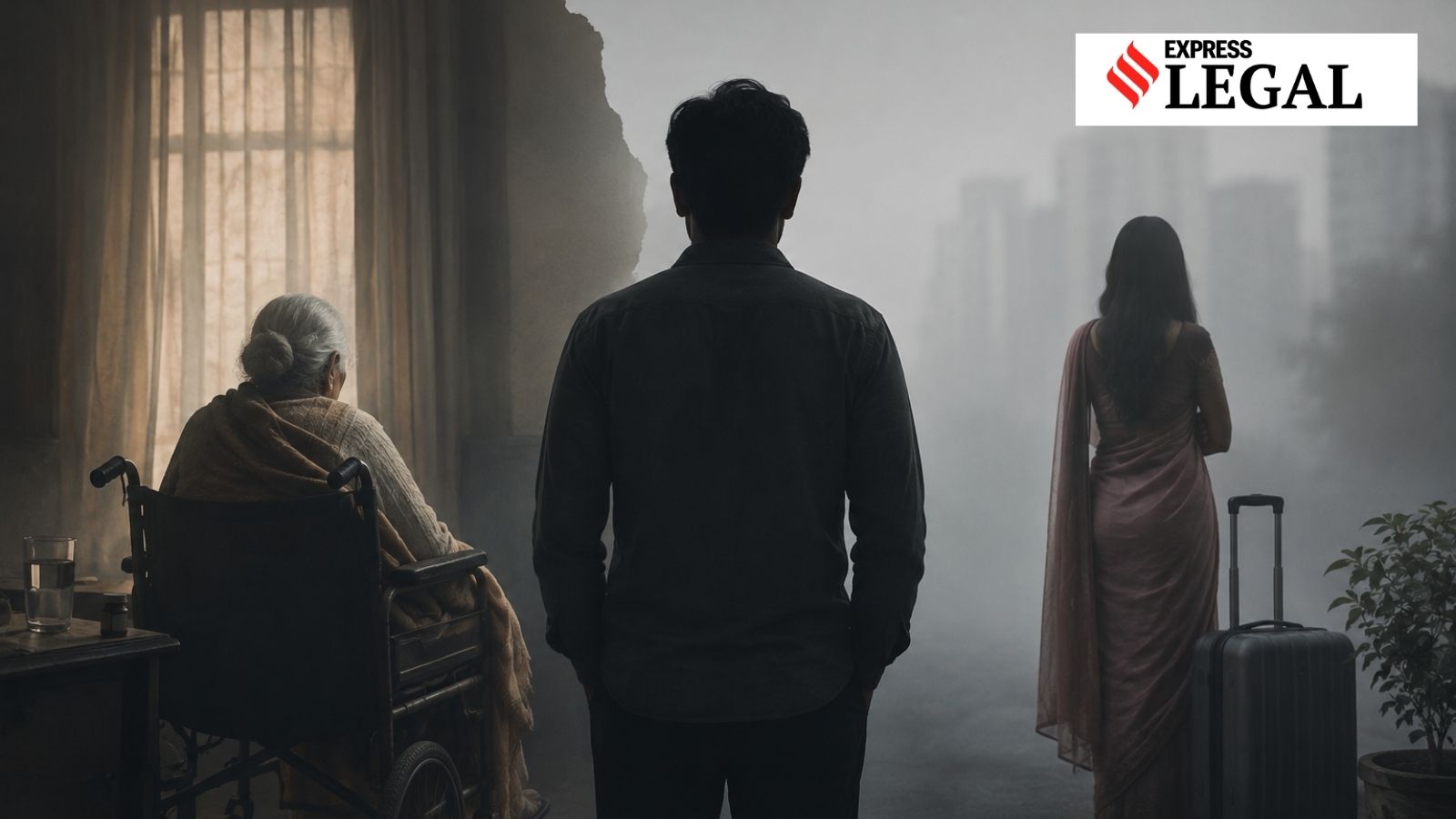
The Chhattisgarh High Court has ruled that marriage does not grant a spouse the right to compel the other to renounce their responsibilities toward aged parents, granting a divorce on the grounds of mental cruelty.
- Marriage does not extinguish the moral and legal duty to care for infirm or aged parents.
- Persistent insistence on separating from parents without justification constitutes mental cruelty.
- Filing false criminal cases (dowry harassment) is a significant ground for divorce.
The Chhattisgarh High Court has delivered a landmark judgment granting divorce to a 43-year-old man, observing that his wife's conduct toward him and his family amounted to severe mental cruelty. The core of the dispute centered on the wife's demand that the husband live separately from his elderly and ailing mother, a request the husband steadfastly refused.
Justice Naresh Kumar Chandravanshi observed that while marriage creates a new familial unit, it does not confer an "unfettered" right upon either spouse to compel the other to abandon pre-existing familial responsibilities. The court emphasized that the moral and legal obligations toward parents remain intact post-marriage.
Why This Matters
BozokMedia analysis shows that this ruling sets a critical precedent for matrimonial disputes in India, where the tension between the nuclear family ideal and joint family responsibilities is rising. By categorizing the forced abandonment of parents as 'cruelty,' the court is reinforcing the social safety net for the elderly and preventing the weaponization of 'separate residence' demands to isolate individuals from their support systems.
"The law recognizes that emotional bonds with parents are foundational and cannot be arbitrarily severed under the guise of matrimonial harmony."
The case involved a couple married in 2014. The husband alleged that the wife was abusive, neglected her duties, and threatened him with false criminal cases. Furthermore, evidence of an illicit relationship with another man was presented. While the trial court had initially dismissed the divorce petition, the High Court overturned this decision.
The court also highlighted a pivotal admission by the wife's mother, who conceded that criminal proceedings were initiated only as a retaliatory measure after the husband sent a divorce notice. This indicated that the legal system was being used as a tool for harassment rather than for seeking justice.
Frequently Asked Questions
Q1: Is asking for a separate matrimonial home always considered cruelty?
No. The court clarified that seeking a separate residence is legal if there is a reasonable basis, such as an unsafe home environment.
Q2: Why did the High Court overturn the trial court's decision?
The High Court looked at the conduct as a whole, including the false dowry case and the unreasonable demand to abandon ailing parents, which the trial court had overlooked.