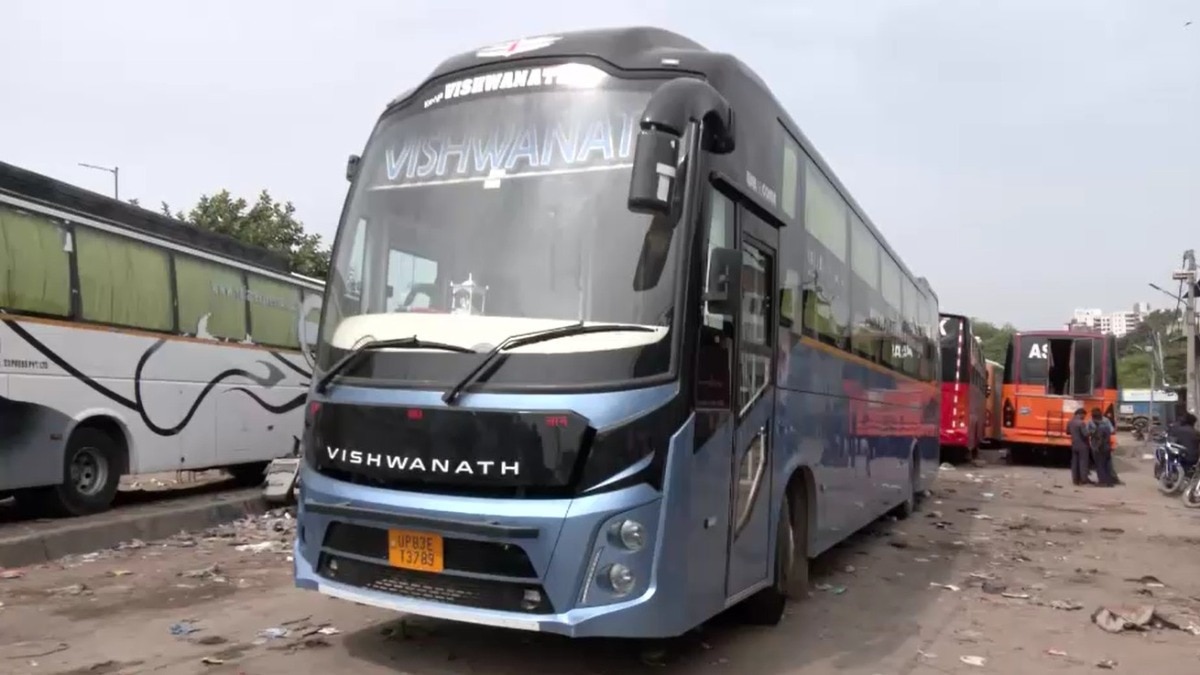
An investigation by India Today/Aaj Tak reveals critical failures in CCTV coverage, GPS tracking, and panic button functionality in private sleeper buses at Delhi's Kashmere Gate.
- CCTV cameras in many sleeper buses fail to cover the rear berths where passengers sleep.
- Panic buttons often lack connectivity to external control rooms or GPS-based emergency services.
- The bus involved in the recent crime had 11 traffic violations in just 11 months.
Following the harrowing gangrape of a Class 11 student in a moving sleeper bus in Greater Noida, a ground investigation by India Today/Aaj Tak has exposed alarming gaps in the safety infrastructure of private long-distance buses. A reality check at Delhi’s Kashmere Gate bus terminal has raised serious questions about the effectiveness of security measures meant to protect vulnerable passengers.
The investigation found that while many buses claim to have security equipment, the actual surveillance is deeply flawed. In several inspected sleeper buses, CCTV cameras were positioned only at the front or near the driver-conductor area. This leaves the rear section—where the sleeping berths are located—completely outside the camera's field of view, creating massive blind spots for criminal activity.
Why This Matters
BozokMedia analysis shows that the mere presence of hardware does not equate to passenger safety. The critical failure lies in the lack of integration; without a direct link between onboard panic buttons and external emergency response teams or police control rooms, the system remains localized and easily compromised by a complicit crew.
Security in transit must be proactive and externally monitored to be truly effective against internal threats.
The design of sleeper buses themselves presents a unique challenge. While curtains around individual berths provide privacy, they also act as a physical barrier that obstructs the line of sight for both staff and other passengers. When combined with inadequate camera placement, these curtains provide a perfect veil for perpetrators.
Furthermore, the investigation highlighted a disturbing pattern of negligence. The specific bus allegedly involved in the Greater Noida incident had a history of 11 traffic violations in 11 months, with 9 challans issued in just 23 days. Most of these were for overspeeding, indicating a blatant disregard for safety protocols by the operators.
Frequently Asked Questions
1. How can passengers ensure their safety on private buses?
Passengers should check for functional CCTV and ensure they are aware of the bus's emergency protocols, though systemic oversight is required.
2. Why are panic buttons considered insufficient in current setups?
Because many are not linked to an external command center, meaning they only alert the bus crew, who may themselves be involved in a crime.