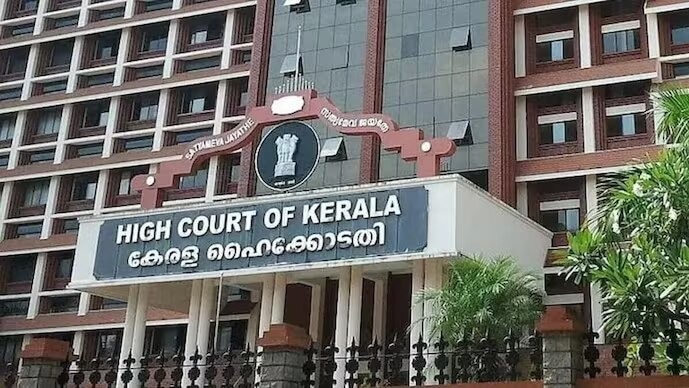
The Kerala High Court has ruled that marriage under Muslim rites cannot protect an accused from prosecution under the POCSO Act if the victim is a minor. The court emphasized that the protection of children is paramount and overrides personal laws.
- Kerala High Court rejected a petition to quash a rape case involving a 17-year-old girl.
- The court ruled that marriage under Muslim rites does not exempt an accused from POCSO liability.
- Under the POCSO Act, anyone under 18 is considered a child, regardless of marital status.
- The court cited Supreme Court precedents regarding sexual intercourse with minors.
In a landmark judgment, the Kerala High Court has refused to cancel criminal proceedings against a man accused of repeatedly raping a 17-year-old girl. The court categorically stated that claiming a marriage was solemnized under Muslim religious rites does not provide immunity from the Protection of Children from Sexual Offences (POCSO) Act.
Justice Jobin Sebastian dismissed the petition filed by the primary accused, who argued that the sexual acts were part of a legally wedded marriage. The accused contended that the girl was his wife according to Islamic ceremonies, having married when she was 17 years and one month old. However, the court maintained that the allegations must be tested through a full trial.
Why This Matters
BozokMedia analysis shows that this ruling reinforces the supremacy of special protection laws over personal religious laws in India. By prioritizing the POCSO Act, the judiciary is sending a definitive message that child protection is non-negotiable and cannot be bypassed through the invocation of marital status or religious traditions.
The POCSO Act is a special legislation designed specifically to protect children, and its provisions override any inconsistencies with personal laws.
Citing the Supreme Court's ruling in the Independent Thought case, the High Court noted that sexual intercourse with a girl below the age of 18 constitutes rape under Section 376 of the IPC, even if she is the accused's wife. The court emphasized that the accused could not escape prosecution by relying on the marital exception to the law.
The prosecution alleges that the accused took the girl to his residence under false pretenses and subjected her to repeated sexual assault over several days. The court also noted the lack of documentary evidence to prove the existence of a valid marriage, stating that such claims are matters to be decided during the trial phase.
Frequently Asked Questions
1. Does the POCSO Act apply to married minors?
Yes, the Kerala High Court clarified that if one party to a marriage is a minor (under 18), the POCSO Act applies regardless of the marriage's validity under personal law.
2. Can religious rites be used as a defense in child abuse cases?
No, according to this ruling, religious rites and personal laws cannot be used to bypass criminal liability under special child protection laws like POCSO.
| Legal Aspect | Accused's Argument | Court's Determination |
|---|---|---|
| Marital Defense | Marriage under Muslim rites | Does not mitigate POCSO liability |
| Victim's Status | Legally wedded wife | A 'child' under the law (under 18) |
| Applicable Law | Personal/Religious Law | POCSO Act (Special Law) |