A horrifying gang-rape incident in a moving bus in Noida has exposed massive systemic failures. Investigations reveal the bus had 12 pending challans since April, with 8 issued in July alone, and no background checks were conducted on the accused.
- The bus involved had 12 traffic violations/challans since April.
- 8 of these violations occurred in the month of July alone.
- No criminal background checks were performed on the accused individuals.
- The victim was dumped 30km away from the crime scene.
The brutal gang-rape of a teenager on a moving bus in Noida has sent shockwaves across the nation, revealing a terrifying lapse in regulatory oversight. New details emerging from the investigation suggest that the vehicle used in the crime was a habitual offender on the road, having accumulated 12 challans since April. Most alarmingly, 8 of these violations were recorded in July alone.
Despite these repeated infractions, the bus was permitted to continue its operations, providing a mobile environment for criminals to commit heinous acts. Furthermore, the investigation has highlighted a critical security gap: there was absolutely no background check conducted on the accused, allowing them to operate within public spaces without scrutiny.
Why This Matters
BozokMedia analysis shows that this incident is a direct consequence of administrative negligence. When regulatory bodies fail to act on repeated traffic and safety violations, they inadvertently create a vacuum where lawlessness thrives, specifically endangering vulnerable populations like women and minors.
The failure to verify the credentials of individuals operating in sensitive transport sectors is a systemic breakdown of public safety.
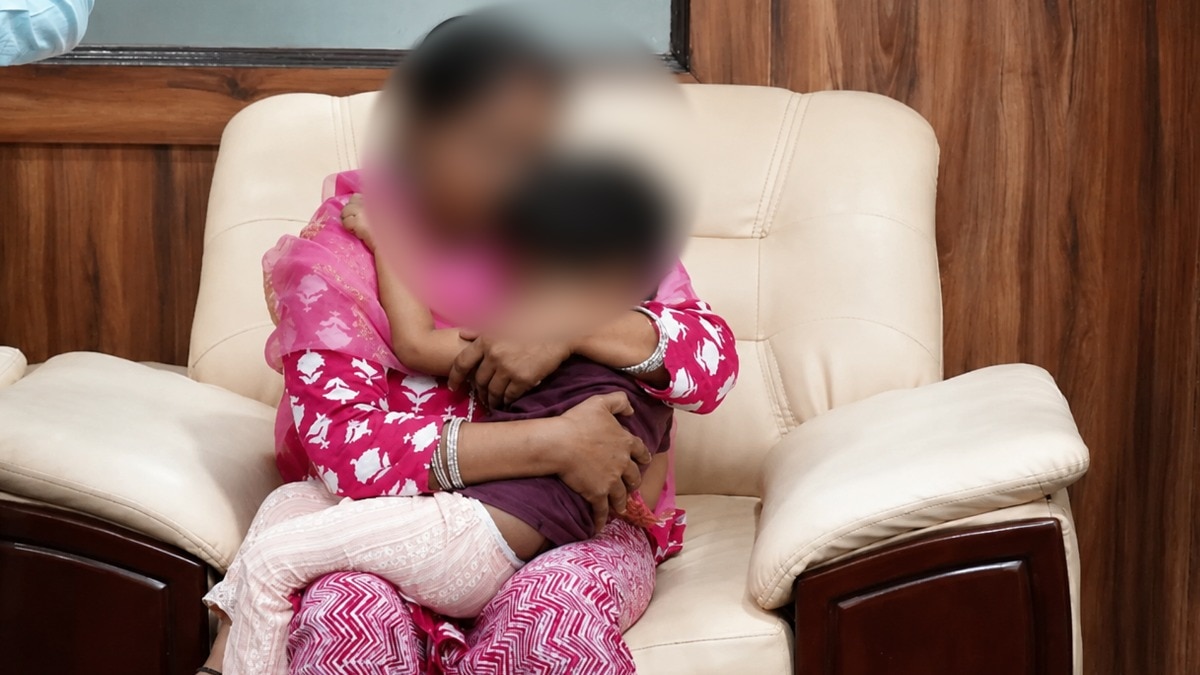
The victim, a teen from the NCR region, had reportedly sought help following a domestic dispute, only to be trapped on a moving bus where she was gang-raped. In a display of extreme cruelty, the perpetrators dumped her approximately 30 kilometers away from the location of the assault.
Historical Background
In response to rising crimes against women in public transport, the Delhi government has previously ordered strict safety measures, including the removal of curtains to increase visibility and the mandatory sensitization of bus staff. However, the Noida incident underscores that such measures are inconsistently applied across the NCR region, leaving significant gaps in the safety net.
Frequently Asked Questions
Question 1: How many violations did the bus have?
Answer: The bus had 12 challans since April, with 8 issued specifically in July.
Question 2: Was there any check on the accused?
Answer: No, the investigation reveals that no background checks were conducted on the accused individuals.