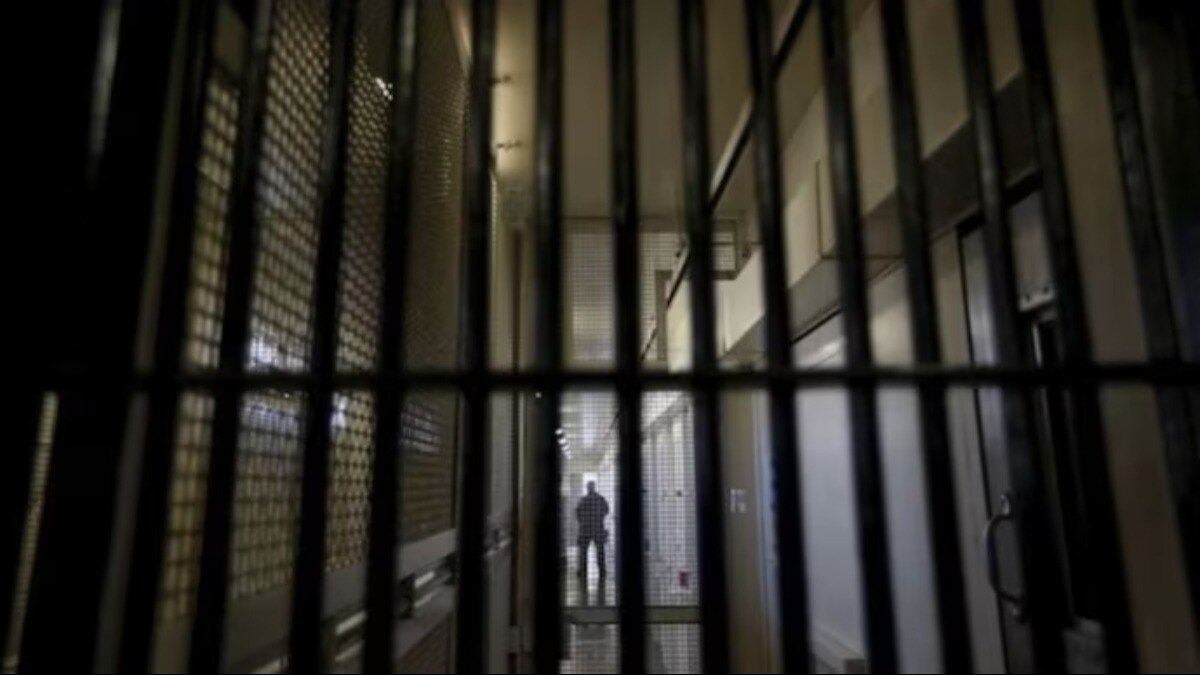
The Goa Assembly has passed the Goa Prisons and Correctional Services Bill, 2026, criminalizing the use of mobile phones inside jails. Possession of prohibited communication devices will now be a non-bailable offence carrying up to three years of imprisonment.
- Mobile phone use and prohibited communication in jails are now cognisable and non-bailable offences.
- Offenders face up to 3 years of imprisonment and a fine of up to ₹25,000.
- New measures include periodic staff rotation in sensitive barracks to prevent corruption.
- Enhanced surveillance and jamming technologies will be deployed to curb gang activities.
Panaji: In a decisive move to overhaul the correctional system, the Goa Assembly on Tuesday passed the Goa Prisons and Correctional Services Bill, 2026. The legislation marks a significant crackdown on the use of mobile phones and other contraband communication devices within prison premises, making such acts a cognisable and non-bailable offence.
Chief Minister Pramod Sawant tabled the bill, describing it as a comprehensive replacement for outdated prison laws. The new framework is designed to dismantle organized crime networks, prevent staff collusion, and address critical security lapses that have historically plagued correctional facilities. Under the new rules, any prisoner found in possession of a mobile phone could face up to three years of imprisonment and a fine of up to ₹25,000, with the sentence to be served after their current term ends.
Why This Matters
BozokMedia analysis shows that this legislative shift is a direct response to the rising trend of 'jail-run' criminal operations. By criminalizing the digital link between inmates and the outside world, the state aims to neutralize the ability of hardened criminals to orchestrate crimes, intimidate witnesses, or manage gangs from behind bars.
Tightening digital communication protocols is essential to prevent prisons from becoming command centers for organized crime.
The bill's reach extends beyond inmates. It strictly prohibits prisoners, visitors, and even prison officials from possessing or facilitating the use of prohibited electronic devices. Officials who knowingly allow such activities or fail to prevent the smuggling of contraband will face severe legal consequences. To ensure integrity, the law mandates the periodic rotation of personnel posted in sensitive barracks to prevent the formation of 'inmate-staff nexuses.'
Historical Background
The proposed legislation is heavily aligned with the Model Prisons and Correctional Services Act, 2023, issued by the Union Ministry of Home Affairs. For decades, Indian prisons have struggled with the influx of contraband, particularly mobile phones, which have revolutionized how inmates communicate. This new law seeks to consolidate various regulations into a single, modern framework that balances security with prisoner rehabilitation and human rights.
Furthermore, the bill introduces advanced surveillance measures. High-risk offenders will be monitored in coordination with the State Police Intelligence Wing, and prisons will implement advanced jamming solutions and frequent surprise searches to maintain order.
Frequently Asked Questions
1. Does this law apply to prison staff as well?
Yes, any official who facilitates unauthorized communication or allows contraband into the prison will be subject to punishment under this Act.
2. What is the focus of the new bill besides security?
Beyond security, the bill emphasizes prisoner rehabilitation, skill development, vocational training, and the protection of fundamental human rights.