The Punjab and Haryana High Court has suspended land acquisition for the ₹2,300 crore Malwa Canal project. The court ruled that no land can be acquired until the Environmental Impact Assessment (EIA) report is finalized.
- The High Court has halted all land acquisition proceedings for the proposed 149-km Malwa Canal.
- The stay remains in effect until the Environmental Impact Assessment (EIA) report is officially completed.
- The project, costing approximately ₹2,300 crore, aims to address groundwater depletion in South-Western Punjab.
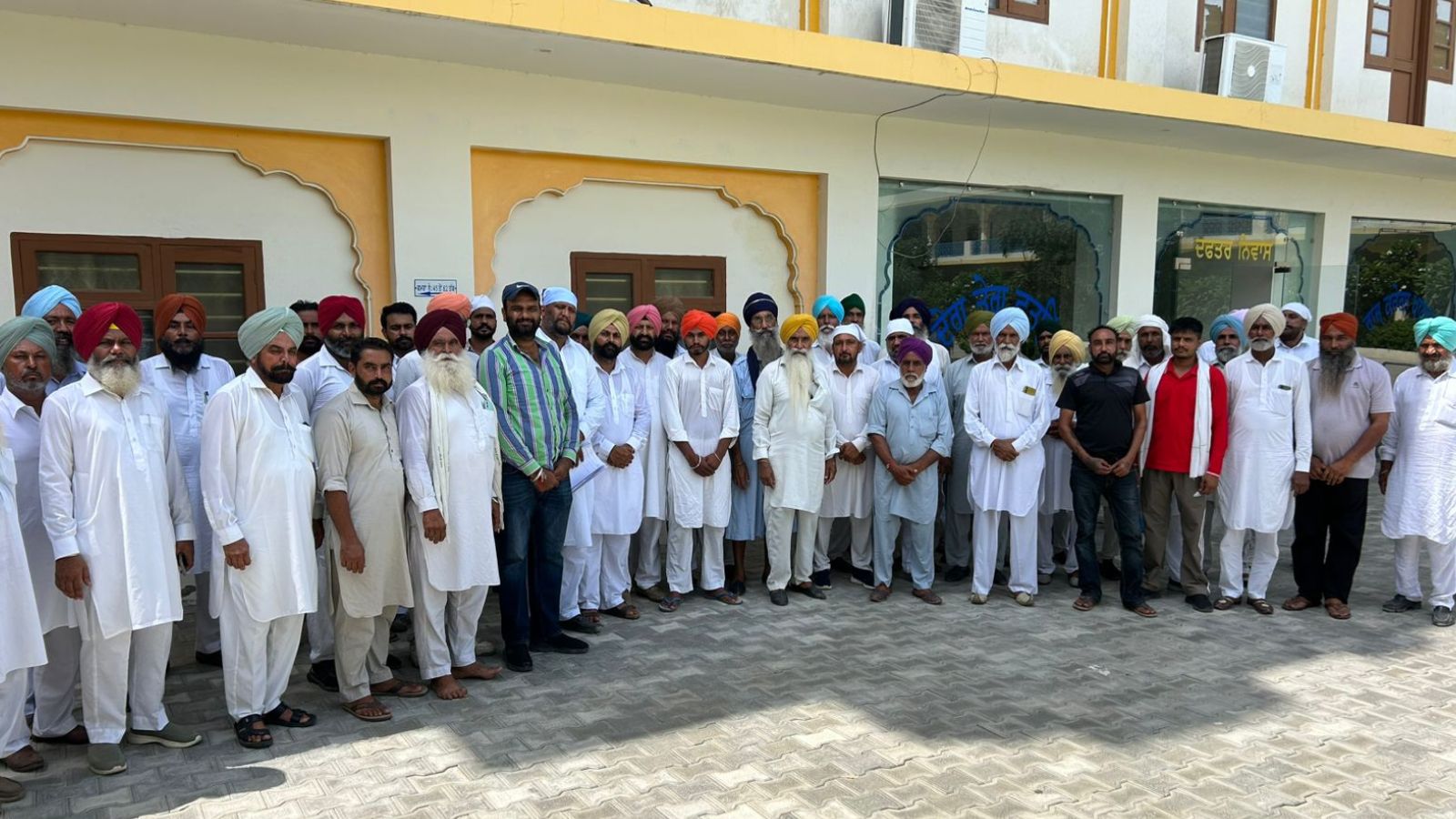
- Over 270 landowners from Muktsar, Faridkot, and Ferozepur have challenged the acquisition.
The Punjab government’s ambitious Malwa Canal project has encountered a significant legal setback. The Punjab and Haryana High Court has intervened to halt all land acquisition proceedings related to the construction of the 149-km canal, pending the finalization of the Environmental Impact Assessment (EIA) report.
A division bench comprising Justices Jasgurpreet Singh Puri and Pravindra Singh Chauhan issued the order on August 25. The court emphasized that neither the petitioners nor other similarly situated landowners could be dispossessed of their property, nor could any compensation awards be passed, until the environmental implications of the project are fully documented and reviewed.
Project Scope and Legal Conflict
The Malwa Canal is envisioned as a massive irrigation lifeline for the drought-prone and groundwater-depleted regions of Muktsar, Faridkot, and Ferozepur. Announced by Chief Minister Bhagwant Mann in June 2024, the project carries an estimated budget of ₹2,300 crore. It is designed to divert water from the Harike Headworks to the tail-end agricultural areas of the Malwa region.
However, the project has faced fierce resistance from the Punjab Bachao Morcha and local villagers from 33 panchayats. The primary contention is the lack of transparency regarding water quality. During the hearings, the bench raised critical questions about whether the water being channeled would be fit for human consumption—a question the state officials were unable to answer definitively.
Why This Matters
BozokMedia analysis shows that this legal battle highlights the growing friction between large-scale state infrastructure projects and environmental safeguards. The court's decision serves as a critical check on executive power, ensuring that developmental goals do not bypass essential ecological studies.
Proceeding with massive hydraulic engineering projects without a finalized EIA is a recipe for long-term ecological and social unrest.
Historical Context of the Malwa Region
The Malwa region of Punjab has long been the state's agricultural heartland, but it is currently grappling with a severe groundwater crisis due to decades of intensive tube-well irrigation. While the government views the canal as a solution to this crisis, activists point out that the source water—flowing through highly polluted stretches like the Buddha Nallah in Ludhiana—may carry toxic contaminants into the new canal system.
Frequently Asked Questions
1. Why did the High Court stop the land acquisition?
The court ordered a halt because the mandatory Environmental Impact Assessment (EIA) report has not yet been completed.
2. What are the main concerns of the farmers?
Farmers are concerned about the loss of their land and the potential for the canal to carry polluted water into their fields.