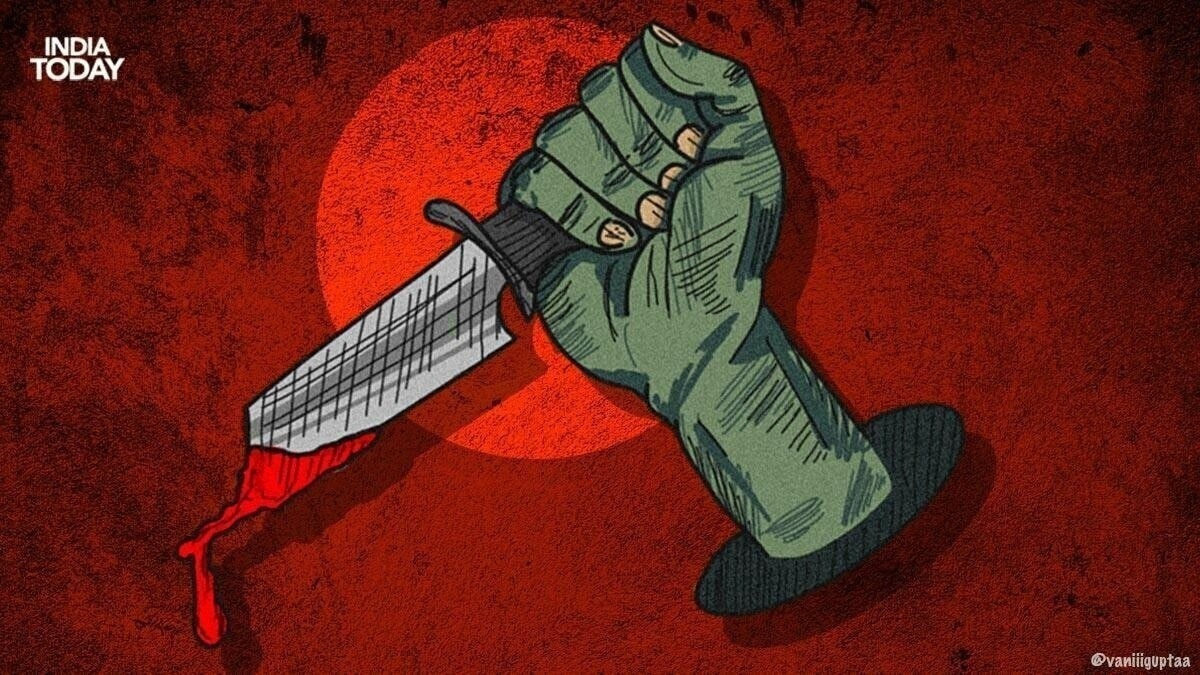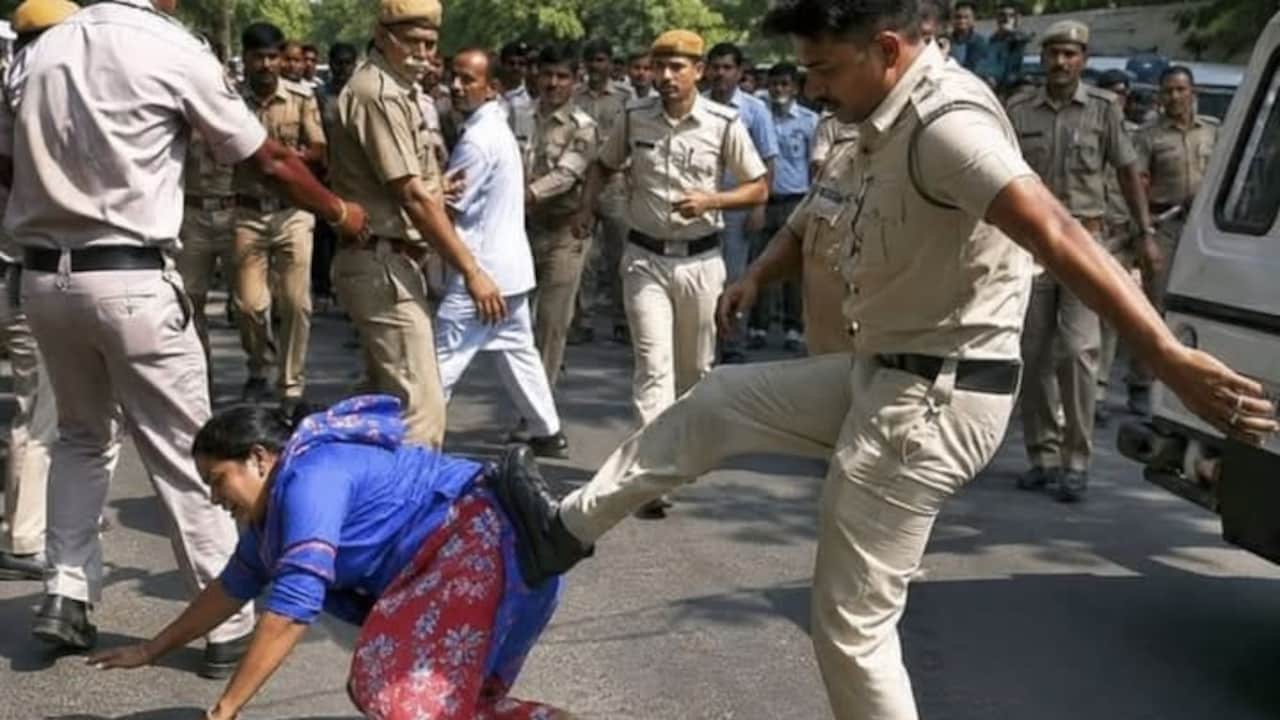
Haryana Police have apprehended two individuals for using AI chatbots to generate a misleading and violent image of a police officer, which was circulated as a real incident on social media.
- Accused used AI chatbots and mobile phones to create fake violent imagery.
- The image was misrepresented as a real-life incident on social media.
- Haryana Police have taken swift action to arrest the perpetrators.
In a significant crackdown on digital misinformation, Haryana Police have arrested two individuals accused of using artificial intelligence to manufacture a violent and misleading image involving a police officer. The incident highlights the growing threat posed by sophisticated AI tools in the hands of bad actors.
According to official police reports, the suspects allegedly utilized an AI chatbot and a mobile device to craft a scene depicting extreme violence. This digitally synthesized image was subsequently weaponized on social media platforms, where it was presented to the public as a genuine, real-world occurrence.
Why This Matters
BozokMedia analysis shows that the ability to create hyper-realistic, violent imagery through AI poses a direct threat to public order and the reputation of law enforcement agencies. As deepfakes and generative AI become more accessible, the line between reality and fabrication continues to blur, necessitating advanced forensic capabilities within police departments.
The democratization of generative AI has turned every smartphone into a potential tool for high-impact disinformation campaigns.
Law enforcement officials emphasized that the circulation of such images is not merely a prank but a calculated attempt to incite public unrest and spread falsehoods. The investigation is currently focused on determining the full extent of the digital footprint left by the accused and whether they were part of a larger organized group.
Historically, misinformation was limited to text-based rumors, but the advent of visual AI has elevated the risk profile of fake news. This arrest serves as a stern warning that digital crimes, regardless of how 'virtual' they seem, carry severe real-world legal consequences.
Frequently Asked Questions
Question 1: How was the AI image detected?
Police used digital forensic tools to identify inconsistencies in the image metadata and visual artifacts common in AI generation.
Question 2: What are the legal implications?
The accused face charges related to cybercrime, spreading misinformation, and potentially inciting public disorder.