Two years after the tragic Pune Porsche accident, the victims' parents are calling for the Juvenile Justice Act to be amended, seeking to lower the age of criminal responsibility to 16.
- Victims' parents are demanding the juvenile age be lowered from 18 to 16.
- The plea highlights how the current law allows quick bail for minors involved in fatal crimes.
- The family has formally written to government institutions seeking legal amendments.
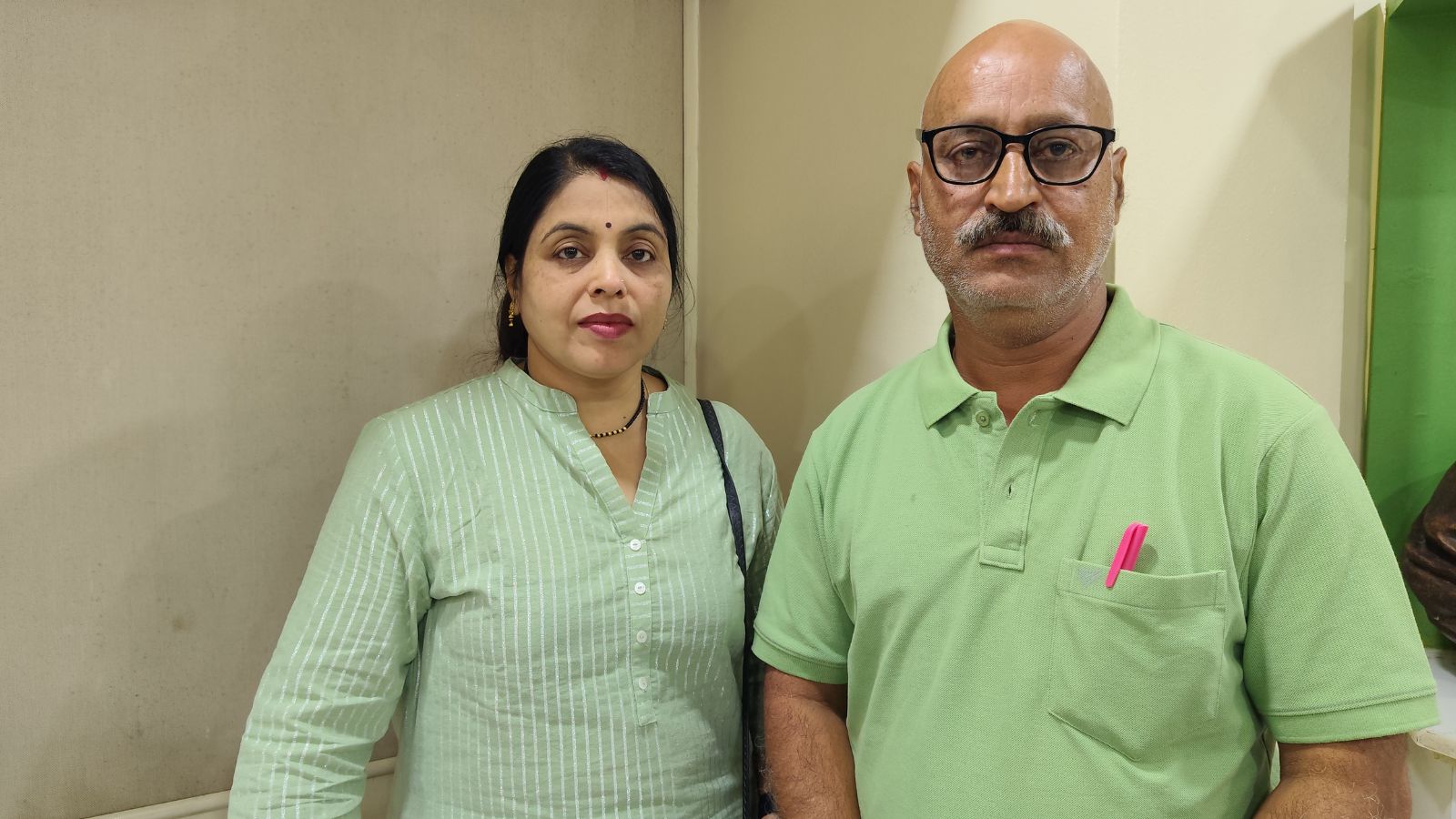
More than two years after the high-profile Pune Porsche crash in Kalyani Nagar, which claimed the lives of techies Aneesh Awadhiya and Ashwini Koshta, the victims' families are fighting a new battle: legal reform. Om and Savita Awadhiya, the parents of one of the deceased, held a press conference in Pune to demand an amendment to the Juvenile Justice Act.
The core of their grievance lies in the perceived misuse of the law. Om Awadhiya pointed out a chilling reality: because the accused in the Porsche accident was a minor, bail was granted within a mere 15 hours. "For the victims’ families, however, everything… their entire life… is ruined," he stated, emphasizing the disparity between the perpetrator's freedom and the victims' loss.
Why This Matters
BozokMedia analysis shows that this case highlights a growing societal concern regarding the accountability of minors in high-stakes criminal activities. The debate over whether the age of criminal responsibility should be lowered is gaining momentum due to rising incidents of underage driving and organized crime recruitment involving minors.
'The current legal framework, designed for rehabilitation, is being exploited as a shield for reckless and criminal behavior.'
The parents cited recent incidents in Mumbai and Nagpur where underage drivers were involved in fatal accidents, arguing that luxury vehicles provided to minors by affluent parents are creating a sense of impunity. They expressed concern that criminal gangs are also leveraging the protective nature of the juvenile law to recruit young members.
Historical Background
The Juvenile Justice Act in India focuses on the reform and rehabilitation of children in conflict with the law, setting the age of majority at 18. This philosophy was heavily scrutinized following the 2012 Nirbhaya gang-rape case, where the youngest accused—a minor—received the maximum detention of only three years, a stark contrast to the death sentences handed to the adult perpetrators.
In the Pune Porsche case, despite assurances from former Maharashtra Chief Minister Eknath Shinde regarding a fast-track trial, the legal proceedings have faced significant delays. The families remain in a state of perpetual waiting, hoping that a judicial precedent will eventually discourage the trend of allowing minors to operate heavy vehicles.
Frequently Asked Questions (FAQs)
1. What specific change are the parents requesting?
They want the age for being tried as an adult to be lowered from 18 to 16 years for serious offenses.
2. Why has the Pune Porsche case seen so much delay?
While the Supreme Court has urged a speedy conclusion, the trial has yet to commence, causing distress to the victims' families.