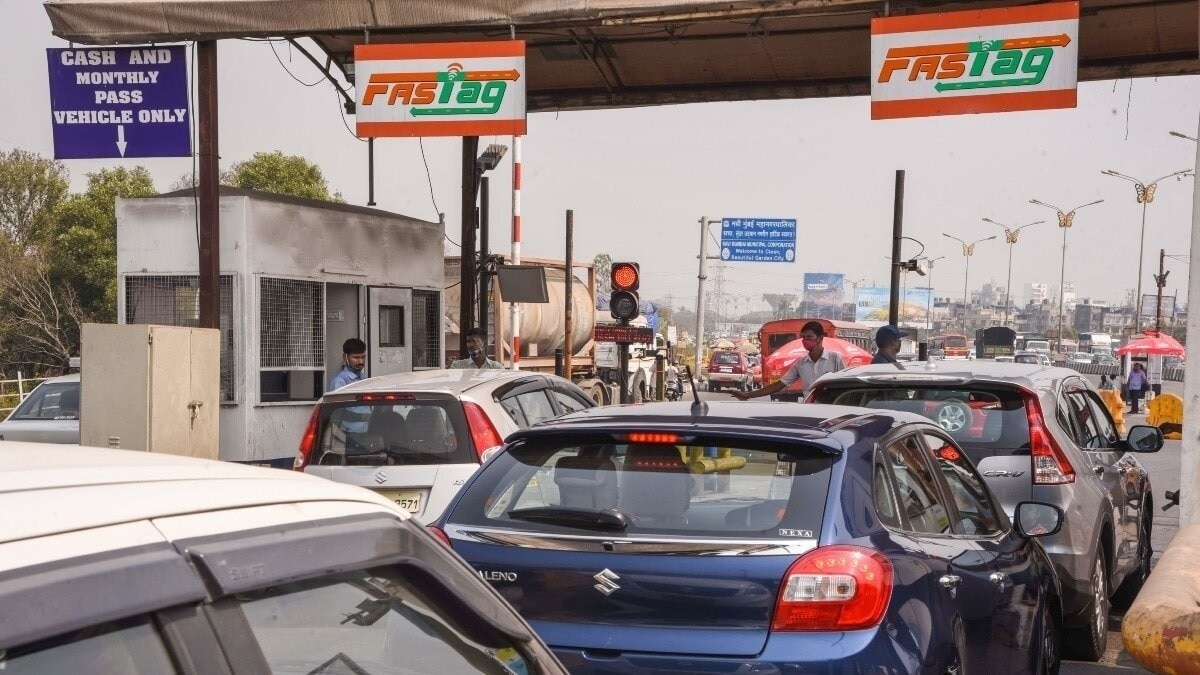
In a major move to curb fatal accidents, Bengaluru Traffic Police has banned two-wheelers on the elevated corridor stretch from Sanjeevini Cross to Vidyashilpa Junction starting September 4.
- Two-wheeler restriction starts September 4 on the Sanjeevini Cross to Vidyashilpa Junction stretch.
- Decision driven by a surge in fatal accidents on the Ballari Road elevated corridor.
- CCTV surveillance will be used to strictly monitor compliance.
- Misinformation led to a massive #OneLastRide protest by bikers.
Starting this Friday, the Bengaluru Traffic Police (BTP) will implement a significant restriction on one of the city's most vital transit routes. Two-wheelers will be prohibited from using the elevated corridor stretch spanning from Sanjeevini Cross near Hebbal to Vidyashilpa Junction near Yelahanka along Ballari Road. This move is part of a larger strategy to reorganize traffic flow and enhance safety on elevated structures.
The primary motivation behind this decision is the alarming rise in road fatalities. Data accessed by journalists reveals that this specific stretch has witnessed 15 major accidents in the last 19 months alone. More concerning is the trend since 2015, where fatal accidents on this single corridor have outpaced the total number of fatal incidents recorded by ten different local police stations combined. To mitigate these risks, the BTP has decided to separate high-speed two-wheeler traffic from heavy vehicular movement on these elevated sections.
Why This Matters
BozokMedia analysis shows that as urban density increases, the friction between lightweight vehicles and heavy commercial transport on elevated corridors becomes a critical safety hazard. By restricting two-wheelers, the city aims to create a more predictable and safer environment for high-speed transit, though it faces significant public pushback regarding perceived inequality in road access.
Safety interventions on elevated corridors are essential when accident data shows a disproportionate number of fatalities compared to ground-level roads.
The announcement was not without controversy. A wave of misinformation on social media suggested that all flyovers leading to Kempegowda International Airport (KIA) were closed to bikers. This triggered a massive reaction, with nearly 400 motorcyclists participating in a midnight protest under the hashtag #OneLastRide. The situation required intervention from the Central Industrial Security Force (CISF) to escort the group to the Airport police station for clarification.
Beyond the Airport Road, the BTP is expanding its restriction zones. Starting September 11, similar measures will be applied to the Electronics City flyover. Other corridors, including the B.G.S. Flyover on Mysore Road, the Peenya Elevated Corridor, and the Double Decker Flyover between Silk Board and Ragigudda, will also see restrictions on certain vehicle categories.
Frequently Asked Questions
1. Is the entire Airport Road closed to motorcycles?
No. Only the specific elevated stretch from Sanjeevini Cross to Vidyashilpa Junction is restricted. The main Airport flyover remains open to two-wheelers.
2. How will the police ensure people follow these rules?
The BTP will be utilizing extensive CCTV surveillance to monitor the restricted stretches and penalize violators.
| Affected Area | Restriction Type | Implementation Date |
|---|---|---|
| Sanjeevini Cross to Vidyashilpa Junction | Two-wheelers | Sept 4, 2026 |
| Electronics City Flyover | Specific Categories | Sept 11, 2026 |
| Peenya Elevated Corridor | Specific Categories | Ongoing/Scheduled |