The Allahabad High Court has ruled that a Hindu man is not barred from adopting his own biological 'illegitimate' child under HAMA, provided all statutory requirements are met. The verdict settles a long-standing dispute involving fraudulent property transactions.
- The Allahabad High Court ruled that biological fatherhood does not bar a Hindu man from adopting his 'illegitimate' child under HAMA.
- The ruling clarifies the distinction between the capacity to give a child in adoption versus the capacity to take one.
- The case originated from a dispute over agricultural land and a fraudulent sale deed from 1973.
- The court emphasized that the 'giving and taking' ceremony is a vital legal requirement for valid adoption.
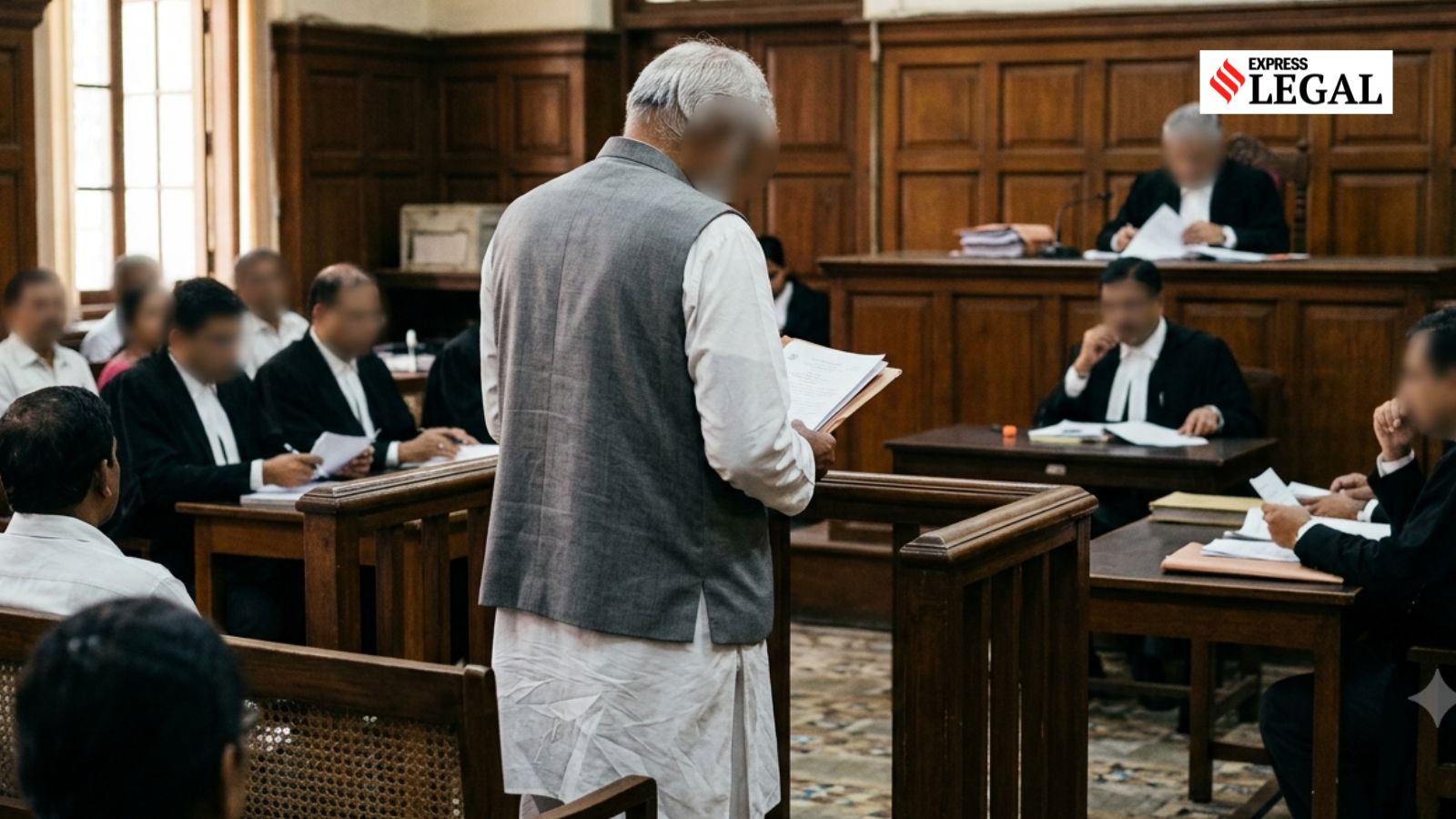
In a landmark judgment, the Allahabad High Court has held that a Hindu male is not prohibited under the Hindu Adoptions and Maintenance Act, 1956 (HAMA) from adopting his own biological "illegitimate" child. The ruling, delivered by Justice Arun Kumar, addresses a critical intersection of biological reality and statutory legal frameworks.
The case arose from a complex dispute concerning agricultural land. The respondent, who claimed to be the biological son of the landowner, asserted that he was born during his mother's marriage to another man and was subsequently adopted by his biological father in 1970. The dispute escalated when the adopted son challenged a 1973 sale deed, alleging it was obtained through fraud while his biological father was being taken away under the pretext of medical treatment.
Why This Matters
BozokMedia analysis shows that this ruling provides significant clarity on the interpretation of HAMA. The court meticulously distinguished between the capacity to give a child in adoption (regulated by Section 9) and the capacity to take a child in adoption. By ruling that there is no express provision disqualifying a biological father from adopting his son, the court has reinforced the legal sanctity of adoptive relationships based on intent and ceremony rather than just biological technicalities.
The court clarified that merely being the biological father does not, by itself, invalidate the legal process of adoption under HAMA.
The petitioners argued that the mother could not have given the child in adoption without the biological father's consent. However, the court observed that the evidence presented by both lower courts established that the actual adoption ceremony—the ritual of 'giving and taking'—had indeed taken place, creating a binding legal relationship.
Furthermore, the court addressed the validity of the 1973 sale deed. It noted that registration alone does not make a transaction immune to legal challenges. Upon examining the inconsistent testimonies regarding payment and the circumstances of the landowner's presence at the registry office, the court upheld the lower courts' findings that the sale was indeed fraudulent.
Frequently Asked Questions
1. Does HAMA bar a man from adopting his biological son?
No, according to the Allahabad High Court, there is no absolute bar against a Hindu man adopting his biological 'illegitimate' son, provided statutory requirements are met.
2. Can a registered sale deed be challenged in court?
Yes, a registered document can be challenged if it is proven that it was obtained through fraud, undue influence, or lack of genuine consent.