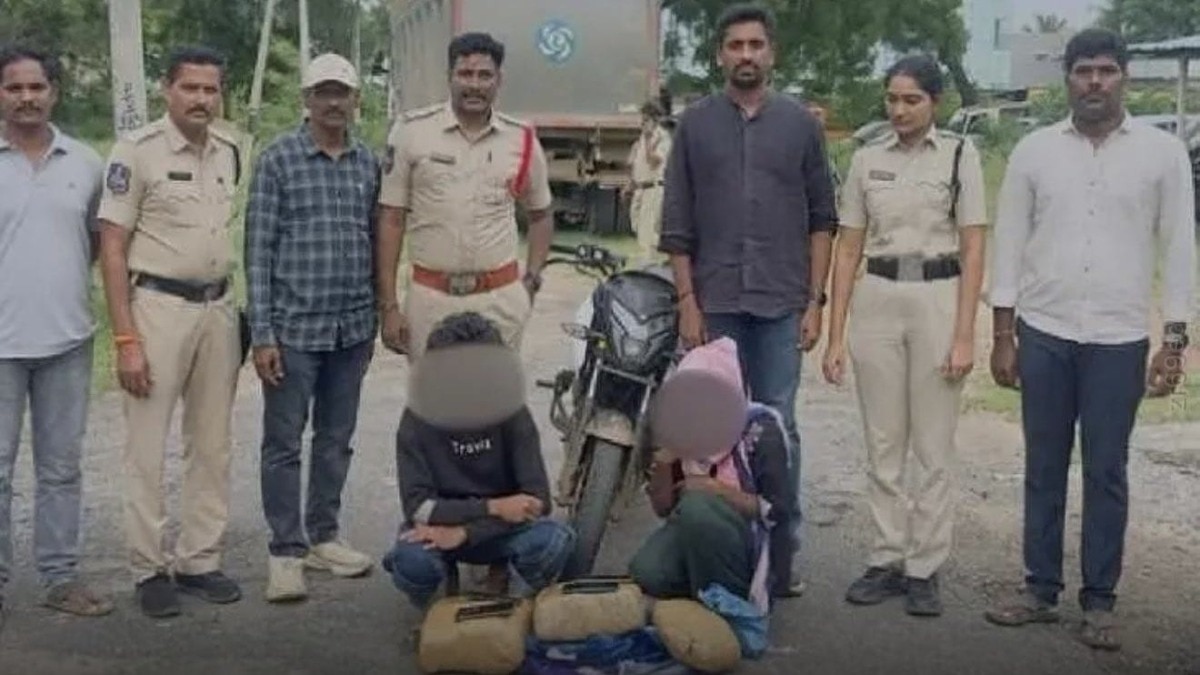
Bengaluru authorities have dismantled a sophisticated cybercrime ring that impersonated high-ranking IAS and IPS officers on social media to defraud citizens. A juvenile from Rajasthan has been apprehended in connection with the scam.
- Fraudsters created fake Facebook profiles using photos of senior IAS and IPS officers.
- The scam involved fake stories about selling household goods at discounted prices.
- A juvenile from Rajasthan was apprehended with ₹2 lakh in cash.
- Authorities suspect a large-scale interstate cybercrime network.
The Bengaluru police have successfully uncovered a major cybercrime operation where fraudsters utilized the identities of senior IAS (Indian Administrative Service) and IPS (Indian Police Service) officers to target unsuspecting social media users. By leveraging the perceived authority of these high-ranking officials, the criminals were able to establish quick trust with their victims.
The investigation was triggered after a fake Facebook account was created using the name and photograph of senior police officer M Narayana. The account began sending friend requests to his acquaintances and the general public. Following a formal complaint by Narayana, an FIR was registered on May 16, leading investigators to discover that over 10 individuals across Karnataka had already been victimized.
The Modus Operandi: How the Scam Worked
According to police reports, the fraudsters employed highly deceptive tactics. In one prominent scheme, they fabricated a narrative involving a CRPF Commandant who had supposedly been transferred. The scammers claimed the officer was selling his household furniture and belongings at heavily discounted rates. Once victims were convinced, they were persuaded to make upfront payments, after which the promised goods were never delivered.
Impersonation scams targeting public officials represent a growing psychological warfare in the realm of digital fraud.
BozokMedia analysis shows that these criminals exploit the social hierarchy and the inherent respect given to government officials to bypass the natural skepticism of internet users. The investigation led police to Kotakurd village in Rajasthan, where a juvenile was apprehended on August 24.
Why This Matters
This case highlights the dangerous evolution of cybercrime from simple phishing to complex identity theft. The involvement of a juvenile and the potential link to an interstate network spanning Rajasthan and Delhi suggests a highly organized structure. Investigators are currently tracing bank accounts and digital footprints to dismantle the entire syndicate.
Frequently Asked Questions
Question 1: How can I verify if a social media profile is authentic?
Answer: Always look for verified badges and cross-reference the profile with official government directories or websites before engaging.
Question 2: What should I do if I have been scammed by a fake profile?
Answer: Immediately report the incident to the nearest police station or via the national cybercrime reporting portal.