The Calcutta High Court has held the West Bengal government liable for medical negligence after a man lost partial vision during a cataract surgery at a government hospital, awarding him ₹5 lakh in compensation.
- Calcutta High Court held the State Government liable for hospital negligence.
- A man suffered partial blindness following a cataract surgery at a government facility.
- The court awarded ₹5 lakh compensation for loss of livelihood and medical costs.
- The bench emphasized that the 'Right to Life' includes the right to live with dignity and health.
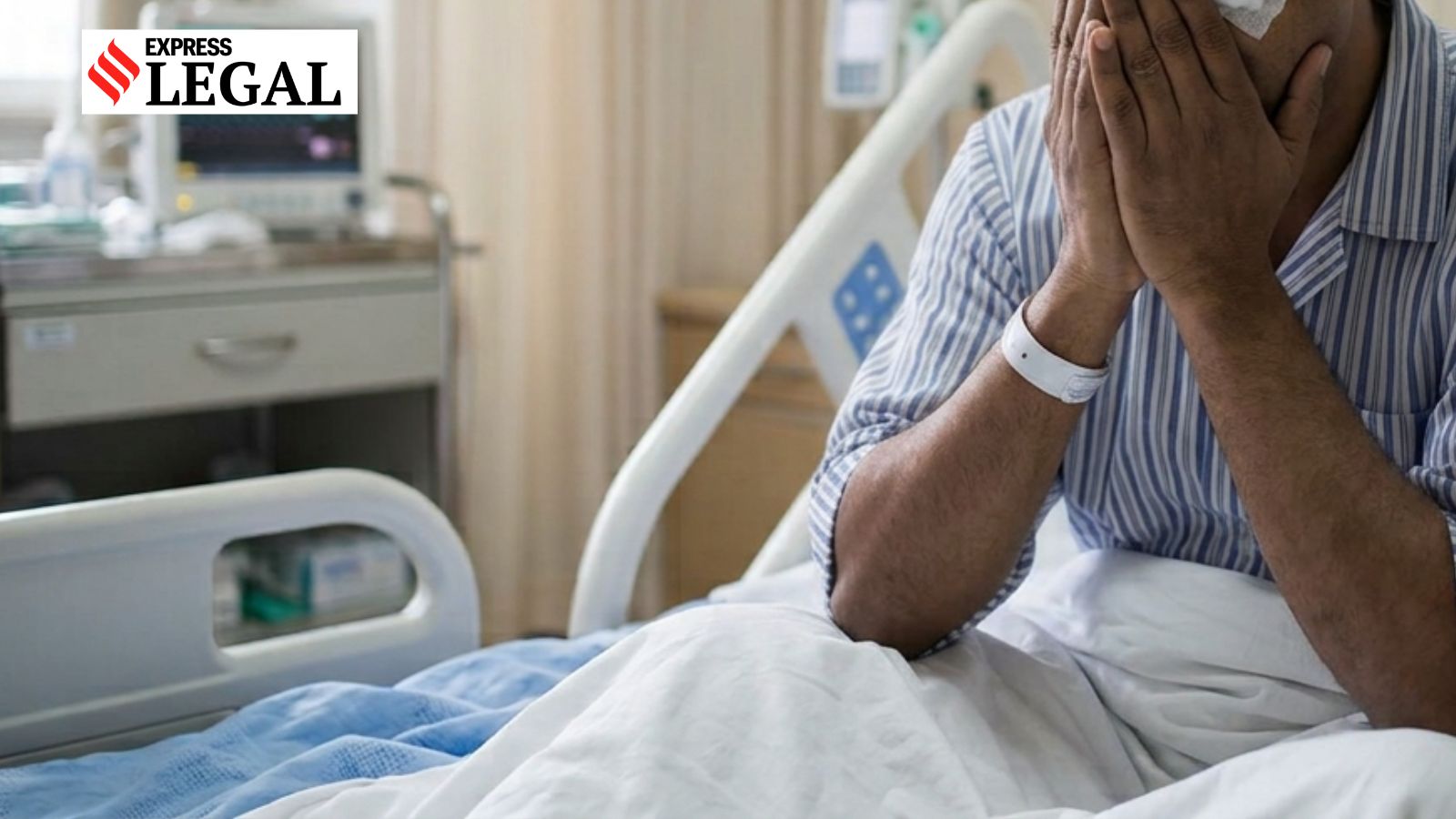
In a significant ruling addressing medical malpractice, the Calcutta High Court has awarded ₹5 lakh in compensation to a man who suffered partial blindness following a cataract surgery at a government hospital. The court held the State Government vicariously liable for the negligence displayed by the hospital authorities.
A division bench comprising Justices Shampa Sarkar and Arjun Ray Mukherjee observed that the loss of vision had caused severe financial hardship and diminished the appellant's future prospects. The court set aside a previous order that had directed the patient to seek remedies in lower forums, exercising its power to provide direct redressal.
Why This Matters
BozokMedia analysis shows that this ruling sets a vital precedent for accountability in public healthcare. It underscores that state-run institutions cannot bypass standard operating procedures and safety protocols under the guise of serving the underprivileged, as such lapses directly violate fundamental constitutional rights.
"The right to life and livelihood includes the right to live with dignity and enjoy good health; a loss of eyesight fundamentally impacts the quality of life."
The appellant, an electrician by profession, underwent surgery that resulted in complications and infections. According to the Director of the Regional Institute of Ophthalmology (RIO), Kolkata, the injury likely stemmed from microbial contamination in operative devices or faulty sterilization processes of the surgical instruments.
Crucially, the court noted that the hospital's own medical board had previously recommended significant infrastructural upgrades to the Operation Theatre (OT), such as improved sterilization, staff training, and better placement of utility rooms. The bench remarked that conducting surgeries despite these known infrastructural gaps was a 'rash and negligent' act that put citizens' lives at risk.
Historical Background
In Indian jurisprudence, the principle of Vicarious Liability ensures that the State is responsible for the tortious acts of its employees committed during the course of their employment. Over the years, the Supreme Court of India has expanded the scope of Article 21 (Right to Life) to include the right to receive adequate medical treatment, making the state increasingly accountable for healthcare failures.
Frequently Asked Questions
Q1: Why did the court award ₹5 lakh specifically?
A: The amount was calculated based on the patient's medical expenses, the loss of his future earning capacity, and his status as the sole breadwinner of his family.
Q2: What was the primary cause of the blindness identified by experts?
A: Experts suggested that contamination by microorganisms due to faulty sterilization or contaminated fluids during surgery was the likely cause.