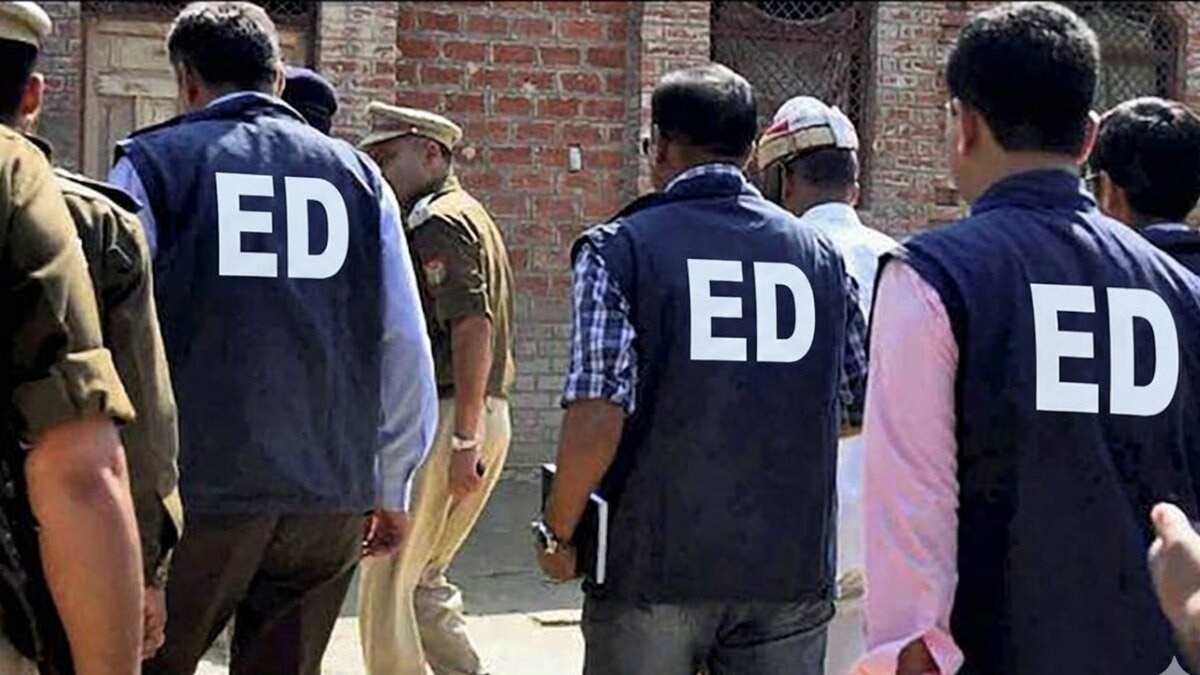
The Enforcement Directorate (ED) has launched massive raids across 17 locations in five states targeting the Cyprus-based Parimatch betting app. Investigators have uncovered a sophisticated money laundering web involving crypto, hawala, and travel agencies.
- ED searched 17 locations across Maharashtra, Rajasthan, Delhi, Gujarat, and Uttar Pradesh.
- The betting platform allegedly generated over ₹3,000 crore in a single year.
- Assets worth approximately ₹150 crore have been seized or frozen so far.
- Money was laundered through crypto wallets, mule accounts, and travel operators.
The Enforcement Directorate (ED) has intensified its crackdown on the Cyprus-based online betting platform Parimatch, conducting extensive searches at 17 locations across five Indian states. The investigation targets a massive money laundering operation that allegedly generated more than ₹3,000 crore in annual betting proceeds. The raids, led by the ED's Mumbai Zonal Office, spanned Maharashtra, Rajasthan, Delhi, Gujarat, and Uttar Pradesh.
During the operation, authorities seized movable assets valued at approximately ₹2.11 crore, which included ₹61 lakh in cash and a 1-kg gold bar. Additionally, bank balances amounting to roughly ₹37 crore were frozen. According to official statements, the ED has successfully frozen or seized assets totaling approximately ₹150 crore in connection with this ongoing investigation.
The Complex Web of Money Laundering
The investigation revealed that the Parimatch network employed highly sophisticated layering techniques to disguise the origin of illegal funds. Initially, betting proceeds were routed through various 'mule accounts' and merchant accounts. To give these transactions an appearance of legitimacy, the network utilized Cash Management Systems (CMS) and Domestic Money Transfer (DMT) agents.
BozokMedia analysis shows that the laundering process was not limited to traditional banking. Once the funds were layered through merchant accounts, the physical cash was allegedly converted into USDT (Tether) via hawala and crypto operators. These digital assets were then transferred to offshore crypto wallets controlled by the Parimatch network, making the trail extremely difficult for authorities to follow.
The evolution of betting-related money laundering from cash to crypto-assets represents a significant escalation in financial crime sophistication.
Exploitation of Travel Operators and Fake Imports
In a startling discovery, the ED uncovered a parallel laundering route involving Indian tour and travel operators. Funds from the Parimatch network were funneled into the bank accounts of these operators without any actual provision of travel services. These credits were used to settle purported dues from overseas clients, while the equivalent amount was collected as physical cash by Parimatch handlers outside India. At least ₹200 crore was reportedly routed through just two such travel operators.
Furthermore, the agency identified another mechanism involving Overseas Direct Investment (ODI) and fictitious service imports. Approximately ₹500 crore was allegedly moved abroad using sham valuation reports and fraudulent Form 15CA/15CB documentation, providing a veneer of commercial legitimacy to transactions that had no genuine economic substance.
Historical Background
The investigation was triggered by an FIR filed by the Mumbai Cyber Police Station against Parimatch.com for defrauding users. Over the last few years, regulatory bodies in India have increasingly focused on offshore betting platforms that bypass Indian taxation and legal frameworks, posing significant risks to the national economy and financial security.
Frequently Asked Questions
1. Which states were involved in the ED raids?
The raids took place in Maharashtra, Rajasthan, Delhi, Gujarat, and Uttar Pradesh.
2. How was the money moved abroad?
The network used a combination of crypto-currency (USDT), hawala channels, and fraudulent ODI transactions.