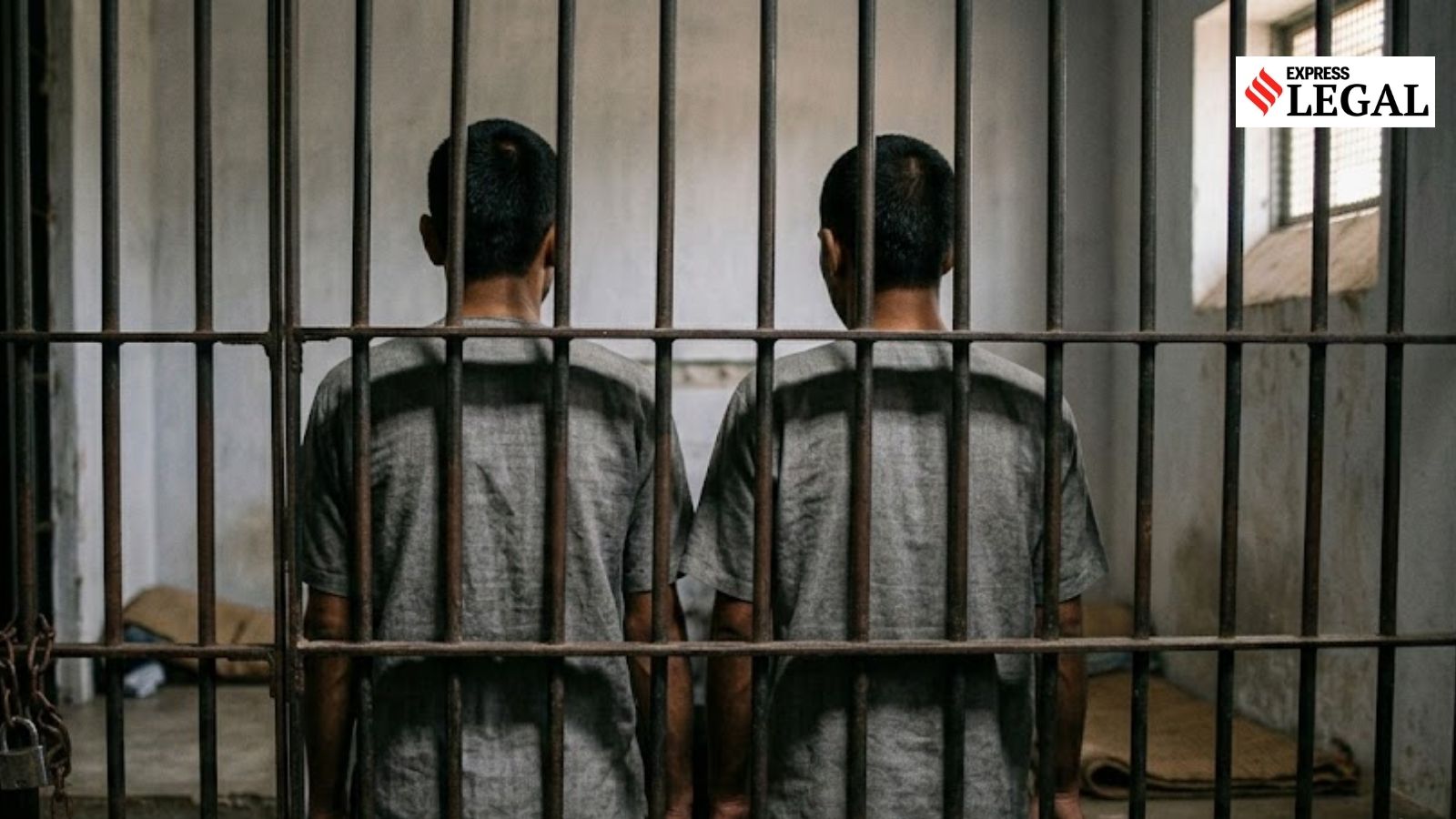
The Karnataka High Court has denied a plea to reduce a 7‑year prison term for two men accused of Al‑Qaeda ties, radicalising youth and planning to wage war against India. The court cited lack of genuine reform and the gravity of the offence as reasons to keep the sentence unchanged.
- Two men convicted of Al‑Qaeda affiliation were upheld a 7‑year jail term.
- Evidence included Telegram group activity, videos, and weapon procurement plans.
- Appeal for sentence reduction was rejected due to insufficient proof of genuine reform.
The Karnataka High Court, on September 2, reaffirmed a 7‑year prison sentence for two men accused of planning to travel to Afghanistan via Kashmir and Pakistan to join Al‑Qaeda, while also radicalising youth and discussing arms procurement. The judges, Justice H.P. Sandesh and Justice B. Pramod, emphasized the material that showed the defendants’ intent to “wage war against the very country in which they were born and lived.”
The National Investigation Agency (NIA) charged the accused under several IPC provisions and the Unlawful Activities (Prevention) Act. During the investigation, electronic devices and other incriminating materials were recovered, revealing links to the “Khorasan Eagle” Telegram group and the “Path of Truth” and “Kashmir Hizarat Saath” groups created by one of the men. The evidence included jihadi material and contact with foreign associates.
The trial court noted that the men had recruited and radicalised youths, planning to send them to Kashmir and the Khorasan province of Afghanistan for training, and had expressed willingness to sacrifice their lives for banned terrorist organisations. The accused pleaded guilty, and the trial court imposed a 7‑year sentence on October 27, 2023.
Advocate Nagesh Reddy sought a reduction to five years, citing the accused’s guilty plea, time already served, and repentance. He referenced a January 20 Karnataka High Court ruling where a similar 7‑year sentence was reduced to six years. However, Special Public Prosecutor Prasanna Kumar and NIA counsel opposed the reduction, arguing that the men’s plans for arms procurement and war intent warranted the full sentence.
The court held that a satisfactory jail‑conduct report was insufficient to prove genuine reform. The probation officer’s report relied only on the accused’s own statements, and the jail report offered a one‑line assessment of their behaviour. After reviewing the gravity of the offence and the evidence, the court dismissed the appeal and upheld the original sentence.
Why This Matters
BozokMedia analysis shows that this ruling sends a clear message that India’s judicial system will not tolerate attempts to radicalise its citizens for foreign terrorist organisations. The decision reinforces the country’s stance against transnational threats and underscores the importance of robust security measures.
“Upholding the 7‑year sentence demonstrates India’s firm commitment to counter‑terrorism and signals to potential conspirators that the law is uncompromising,” says security analyst Saroj Sharma.
Frequently Asked Questions
Q1: What evidence was presented against the accused?
A1: Video, audio, chat logs, and weapon‑procurement plans obtained from their electronic devices.
Q2: Why was the sentence not reduced?
A2: Because the court found no convincing proof of genuine reform and deemed the 7‑year term proportionate to the gravity of the offence.