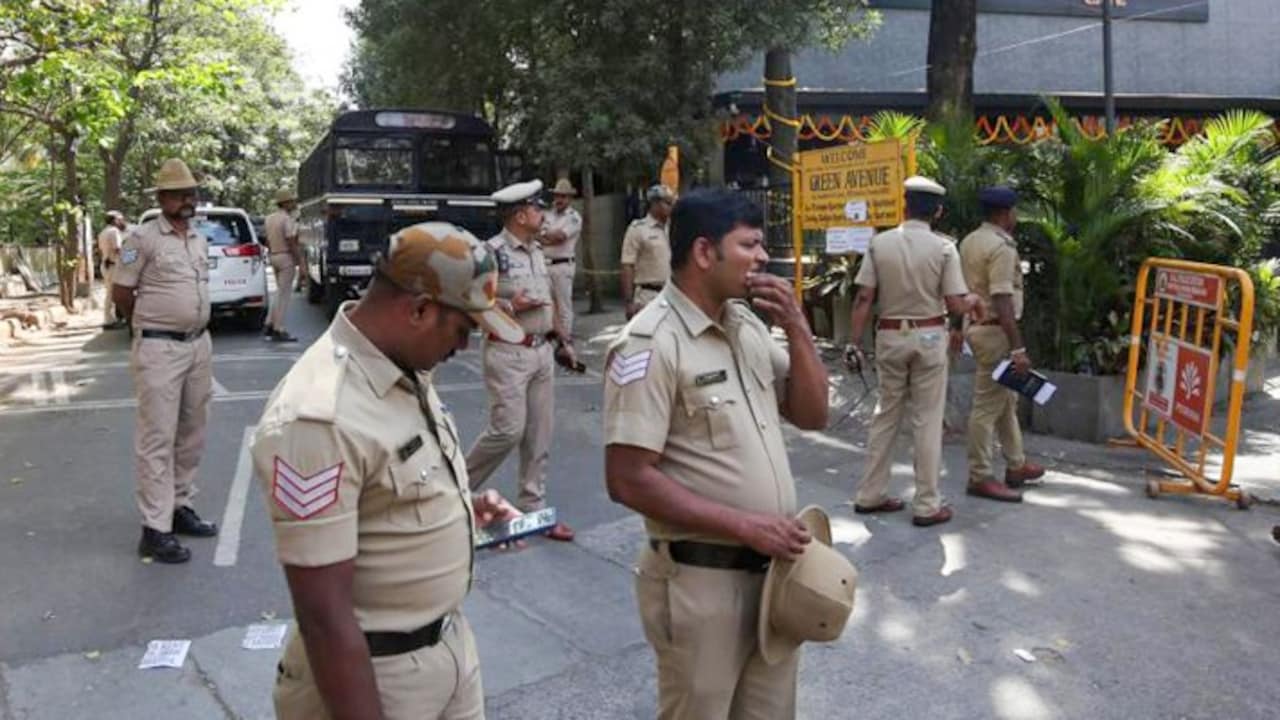
The First Additional District and Sessions Court in Madurai has overturned the fine imposed on four advocates for allegedly disrupting court proceedings. The judge ruled that the lower court's findings were legally unsustainable.
- Madurai Sessions Court quashed the fine imposed on four advocates.
- The lower court's order of ₹100 fine and potential imprisonment was revoked.
- The judge expunged derogatory references regarding the advocates' motives.
MADURAI: In a significant legal development, the First Additional District and Sessions Court in Madurai on Thursday ruled in favor of four advocates, including key office-bearers of the Madurai Bar Association. The court set aside a sentence that had previously imposed fines on the legal professionals for allegedly disrupting court proceedings.
The appeal was filed by S. Rajmohan, S. Mohan Kumar, A. Baskaran, and T. Balarathinakumar. They were challenging an order passed by Judicial Magistrate V, Madurai, who had sentenced each advocate to pay a fine of ₹100. Crucially, the magistrate had also stipulated that in default of payment, the advocates would undergo one week of simple imprisonment.
Legal Scrutiny and Judicial Reasoning
Presiding Judge S. John Sundarlal Suresh, acting as the First Additional District and Sessions Judge, meticulously reviewed the lower court's decision. Upon examination, the judge found the original ruling to be flawed. Not only was the sentence set aside, but the judge also ordered that the specific references made in the magistrate's order regarding the advocates' conduct be expunged from the record.
The Sessions Judge specifically addressed the trial court's reasoning, stating that the finding—which claimed the appellants acted with an "ulterior motive" to interrupt proceedings and insult the court—was unsustainable in law.
Why This Matters
BozokMedia analysis shows that this ruling serves as a vital check on the discretionary powers of lower courts. It reinforces the principle that judicial orders involving the conduct of legal professionals must be backed by rigorous legal standards rather than subjective interpretations of intent.
The judiciary must balance the maintenance of courtroom decorum with the protection of legal professionals against arbitrary punitive measures.
Historical Background: Tensions between the Bar (lawyers) and the Bench (judges) have historically been a recurring theme in Indian jurisprudence. Cases involving allegations of contempt or disruption often require higher judicial intervention to ensure that the right to protest or advocate for professional interests does not collide unfairly with judicial authority.
Frequently Asked Questions
Question 1: What was the original punishment imposed on the advocates?
Answer: The Judicial Magistrate had imposed a ₹100 fine on each advocate, with a provision for one week of simple imprisonment if the fine was not paid.
Question 2: Why did the Sessions Court overturn the decision?
Answer: The Sessions Court ruled that the lower court's finding of 'ulterior motives' and 'insult to the court' was legally unsustainable.