A horrific incident of sexual assault involving a 16-year-old girl inside a moving sleeper bus traveling from Greater Noida to Delhi has sparked outrage. The case has highlighted critical failures in safety compliance and regulatory oversight.
- 16-year-old girl allegedly assaulted in a moving sleeper bus from Greater Noida to Delhi.
- Delhi Police arrested driver Kuldeep and conductor Sandeep.
- Investigation revealed non-functional CCTVs, GPS, and missing panic buttons.
- The vehicle had 11 traffic violations recorded within just 11 months.
A harrowing incident of sexual assault has emerged from the Delhi-NCR region, where a 16-year-old minor was allegedly assaulted inside a moving sleeper bus traveling from Pari Chowk, Greater Noida to Kashmiri Gate, Delhi. The minor had boarded the vehicle seeking assistance amidst heavy rainfall. The brutality of the incident has sent shockwaves through the region, raising urgent questions about passenger safety.
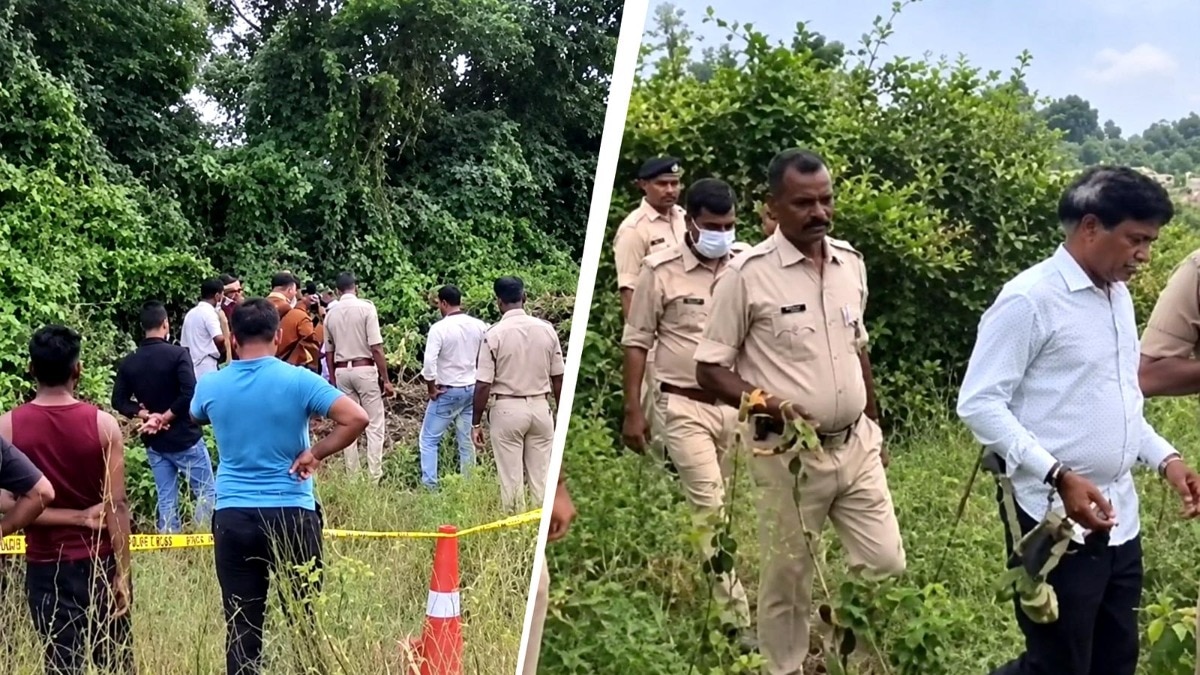
Delhi Police have successfully apprehended the accused bus driver, Kuldeep, and the conductor, Sandeep, during a raid in Timarpur. Forensic teams have processed the vehicle for fingerprints and biological evidence, with DNA test results pending. While the families of the accused maintain their innocence, the physical evidence collected from the scene remains crucial to the ongoing investigation.
The Failure of Safety Protocols
The investigation into the private sleeper bus industry has uncovered a disturbing pattern of negligence. Despite the rigorous safety mandates introduced in the wake of the 2012 Nirbhaya case, this vehicle was operating with critical gaps. Investigators found that the CCTV cameras were non-functional, GPS tracking was inconsistent, and the mandatory emergency panic buttons were entirely absent.
The absence of functional safety technology in public transport transforms a convenience into a high-risk environment for vulnerable passengers.
BozokMedia analysis shows that the regulatory oversight in the inter-state transport sector is severely compromised. The bus in question had accumulated 11 traffic violations in just 11 months, yet it continued to operate on public routes, exposing a massive loophole in how vehicle compliance is monitored by regional authorities.
Historical Context: The Nirbhaya Legacy
Following the landmark 2012 Nirbhaya case, the Indian government implemented stringent guidelines to protect women in public spaces. These included mandatory installation of CCTV, GPS, and panic buttons in all public and private transport vehicles. However, this incident serves as a grim reminder that legislative mandates are ineffective without rigorous, real-time enforcement and periodic technical audits.
Frequently Asked Questions
Question 1: What is the current status of the police investigation?
Answer: The driver and conductor are in custody, the vehicle has been seized, and forensic/DNA reports are awaited.
Question 2: Why were the safety measures ineffective?
Answer: Investigation revealed that equipment like CCTVs and panic buttons were either non-functional or missing entirely, despite legal requirements.