Judges' insights are no longer confined to legal judgments; they are increasingly shaping public discourse through viral social media clips. This report explores the shift from lecture halls to digital headlines.
- Judges' remarks are moving beyond legal judgments into public spheres like convocations and conferences.
- Social media acts as a massive amplifier, turning single remarks into national debates within hours.
- The shift highlights a tension between judicial restraint and the role of a judge as a citizen.
Traditionally, the voice of a judge was heard through the written word of a judgment. Today, that voice is traveling much further. From university convocations to memorial lectures, the words of sitting and retired judges are increasingly migrating from academic halls to social media feeds and national news cycles.
The phenomenon is not necessarily about judges speaking more frequently, but about the unprecedented speed and reach of their words. A single remark made during a weekend lecture by a Supreme Court judge can dominate the digital landscape within hours, often stripped of its original context and consumed as short, viral clips.
Why This Matters
BozokMedia analysis shows that this trend represents a significant shift in the relationship between the judiciary and the public. As judges engage with topics like democracy, free speech, and technology, they are stepping into the role of public intellectuals, bridging the gap between complex legal principles and everyday citizenship.
The digital amplification of judicial thought can foster transparency, yet it risks the distortion of legal nuances through out-of-context clips.
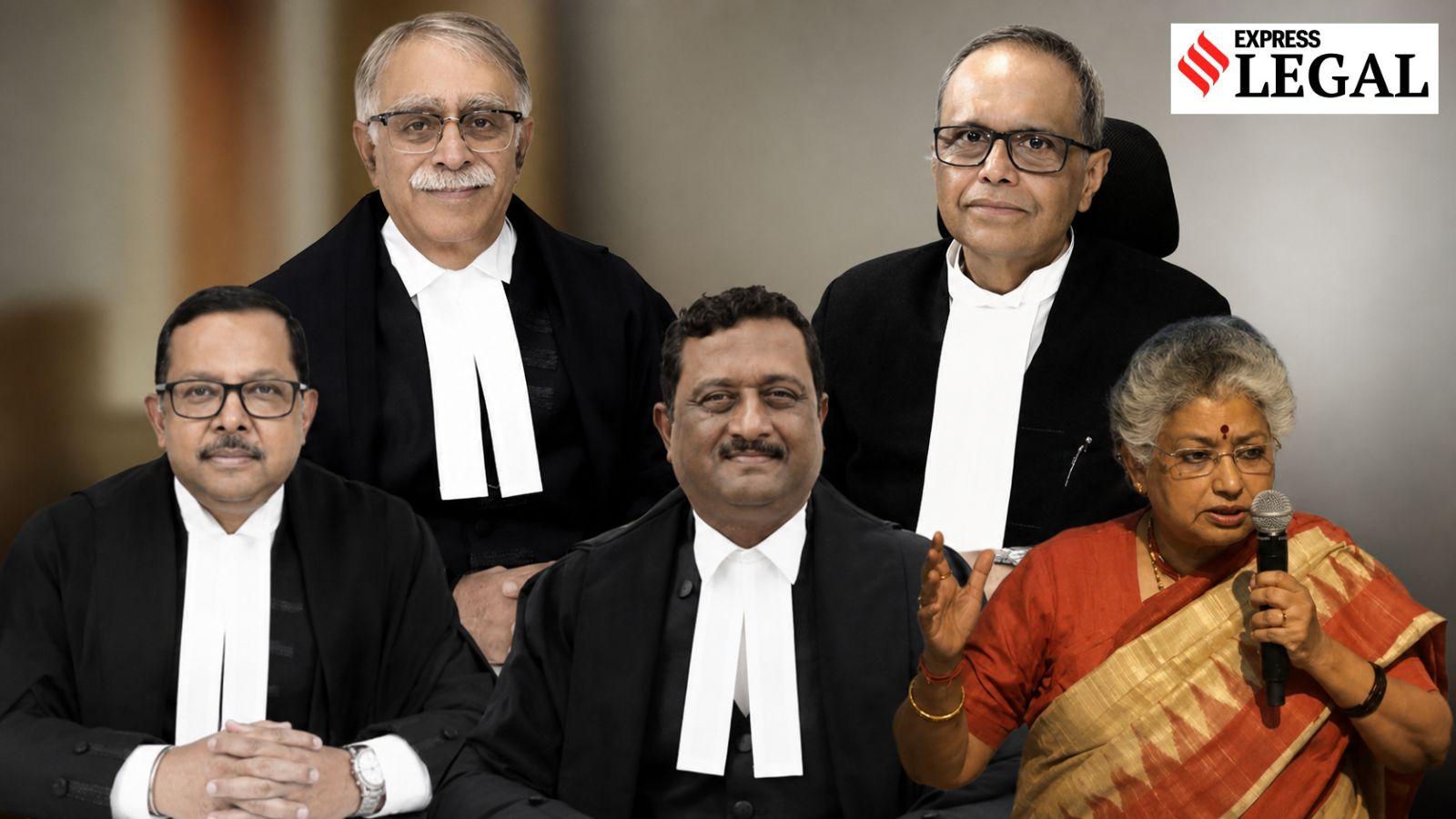
Recent instances highlight this trend. Justice Ujjal Bhuyan, speaking at the National Law University, Delhi, defended the right of students to dissent, stating that questioning authority is an essential expression of constitutional responsibility rather than an act of defiance. Similarly, Justice B V Nagarathna raised concerns regarding the professional ethics of Bar Councils, emphasizing that a lack of respect among members is detrimental to the legal profession.
The impact is also seen in social and regional advocacy. Justice Prasanna B Varale used a school event in Dhule to question government spending priorities, suggesting that a fraction of funds allocated for large-scale events could have saved numerous Marathi-medium schools from closure. This demonstrates how judicial figures can leverage public platforms to address systemic social issues.
Even in farewell addresses, the human element is surfacing. Justice Sanjay Karol reminded the legal community that judges are not infallible gods, urging them to recognize the human beings behind every litigant. This move toward a more empathetic and humanized view of the judiciary is gaining traction in the public consciousness.
However, this evolution is not without debate. Former Supreme Court judge Sudhanshu Dhulia noted that while a judge is also a citizen with rights, a certain degree of restraint is necessary to avoid conflicts when those very issues eventually come before the court.
Frequently Asked Questions
Question 1: Does speaking in public violate judicial neutrality?
Answer: While judges must maintain impartiality in cases, many argue that speaking on constitutional values and social issues is part of their duty to the public.
Question 2: What is the main risk of judges' words going viral?
Answer: The primary risk is 'context collapse,' where a nuanced legal or philosophical point is reduced to a sensationalist headline on social media.